What Is Secondary Damage and How Can You Avoid It?
When your property faces damage from fire, water, storms, or sewage, the immediate destruction isn’t the only concern. The real headache often comes from secondary damage, which shows up after the main event and can lead to pricey repairs. In restoration, knowing how this extra damage happens can mean the difference between a manageable problem and a long, costly ordeal. For some real-world examples, check out our water damage restoration and fire damage restoration services that focus on quick action to stop further damage.
Secondary damage is important because it can keep spreading even after the initial crisis seems over. Moisture might sneak behind walls, smoke residue can corrode surfaces, and weakened structures may buckle. The U.S. Environmental Protection Agency warns that indoor moisture problems can lead to mold if materials aren’t dried properly, which is why jumping on restoration right away is key. Restoration should start within hours, not days, after the first incident.
Understanding Secondary Damage
What It Really Means
Secondary damage is the extra harm that happens as a side effect of the original problem. It doesn’t come directly from the initial event but develops because the first damage wasn’t fully contained or treated in time. For instance, a burst pipe might soak drywall immediately, but mold, warped floors, and electrical issues can pop up later as secondary damage.
Why It’s So Expensive
Secondary damage is sneaky. A small leak behind a cabinet might go unnoticed until it soaks insulation, grows mold, and weakens the subfloor. After a fire, soot and acidic smoke can keep eating away at metals, plastics, and finishes long after the flames are out. This slow but steady deterioration means the final repair bill can skyrocket past the initial emergency.
Common Causes in Restoration
In property restoration, secondary damage often comes from water intrusion, smoke and soot contamination, structural weakening, delayed drying, and sewage or floodwater contamination. Ignoring these issues can create a domino effect of problems. For more on why overlooked moisture issues get worse, see our post on what happens when water damage is ignored.
Why Secondary Damage Follows Water, Fire, and Storm Events
Water Events Create Hidden Moisture Pockets
Water is a major cause of secondary damage because it seeps into places you can’t easily check. It can move under floors, inside walls, through insulation, and into the structure. Even if you get rid of visible water, trapped moisture can linger, leading to mold and rot. That’s why flood cleanup and drying need a systematic, equipment-driven approach.
Fire Leaves Behind Corrosive Residues
Fire doesn’t just stop with the flames. Smoke, soot, and acidic leftovers keep affecting surfaces, electronics, appliances, and ductwork. The National Fire Protection Association notes that fire residues can spread throughout a building, so quick post-fire cleaning is crucial. If you don’t get rid of smoke and soot soon, materials can stain, corrode, and absorb odors that are tough to eliminate.
Storms Weaken the Building’s Shell
Storms can rip off roofing, break windows, damage siding, and mess with drainage. Once the protective shell of a building is open, rain, wind-driven moisture, and outdoor debris can get in. This exposure leads to interior damage, saturated insulation, and potential mold. In Chicago, where harsh weather can bring heavy rain and winter storms, quick action is vital to limit secondary damage.
Early Warning Signs to Watch For
Visible Changes in Materials
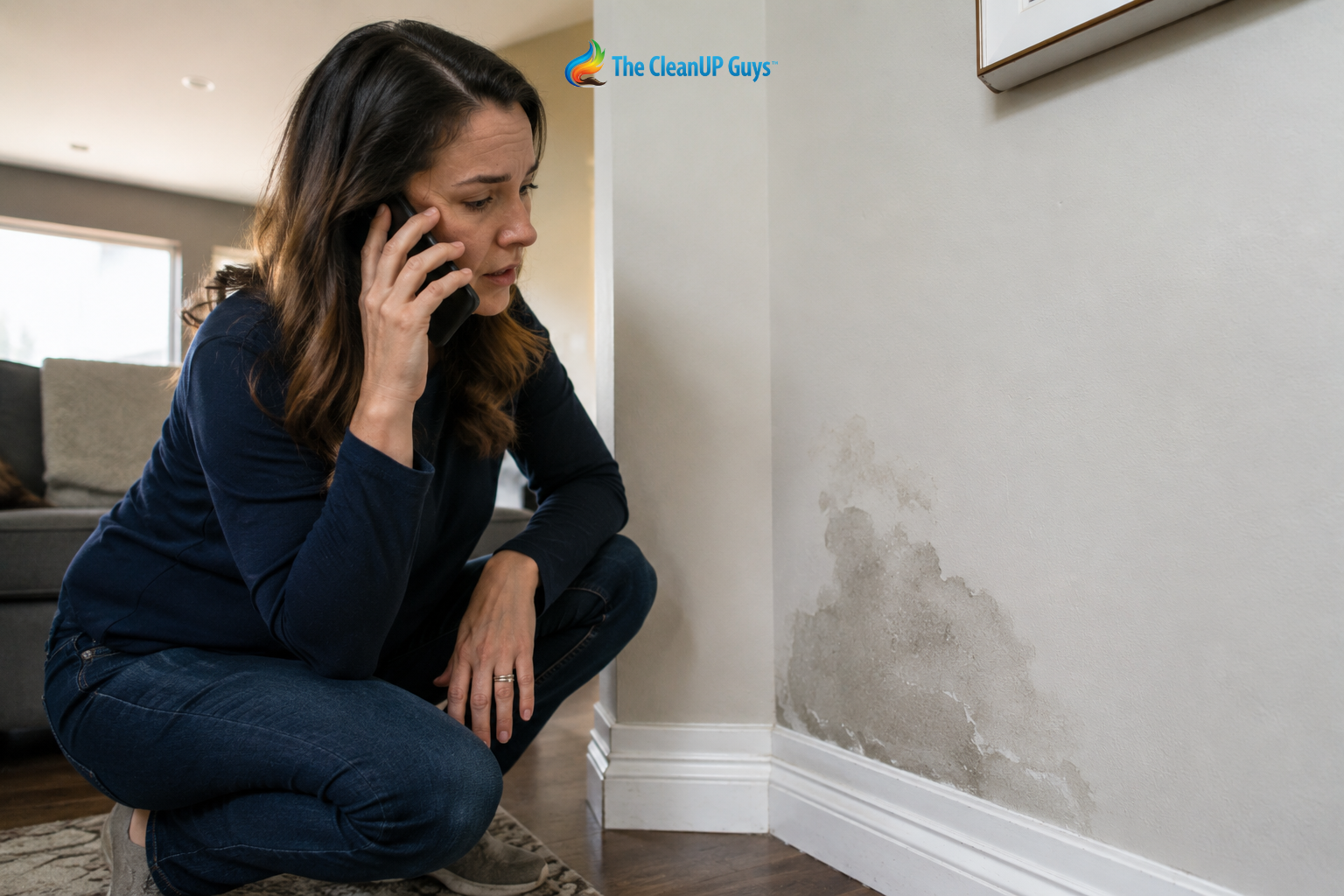
One of the first indicators of secondary damage is visible changes in materials. Peeling paint, warped baseboards, bubbling drywall, discoloration, rust, and swelling wood all suggest active moisture or contamination. In fire scenarios, recurring soot stains and persistent odors can mean residue is still embedded in hidden spots. Don’t ignore these signs; they often point to deeper structural issues.
Odors and Air Quality Issues
Odors can signal that materials are still breaking down. Musty smells may indicate moisture and mold, while a sharp, smoky odor suggests soot in porous surfaces. If indoor air feels heavy, irritating, or stale, contaminants might be circulating through the HVAC system. The CDC explains that mold exposure can affect sensitive people, so any unexplained odor or air-quality change should be taken seriously.
Soft Spots, Sagging, and Shifting Surfaces
Secondary damage can also affect structural integrity. Floors might feel soft, ceilings may sag, and door frames might shift as materials absorb water or weaken. Ignoring these issues can turn them into safety hazards. If you suspect structural weakening, stabilize it before doing any cosmetic repairs.
How Pros Prevent Secondary Damage During Restoration
Fast Emergency Response
The key step in preventing secondary damage is speed. In restoration, the goal is to respond within the first 24 to 48 hours to reduce the risk of mold, corrosion, and serious structural damage. That’s why emergency teams focus on stopping the source, extracting water, securing the site, and starting drying right away. For properties needing quick containment and recovery, commercial restoration and residential response both rely on fast action.
Site Stabilization and Protective Barriers
After controlling the initial emergency, technicians often add temporary protection to reduce further exposure. This might include boarding up broken windows, tarping damaged roofs, stabilizing weak sections, and isolating contaminated areas. These aren’t just cosmetic fixes; they’re essential steps to prevent more damage while repairs are being planned. Temporary protection also helps lower liability and safety risks for people and workers.
Drying, Dehumidification, and Containment
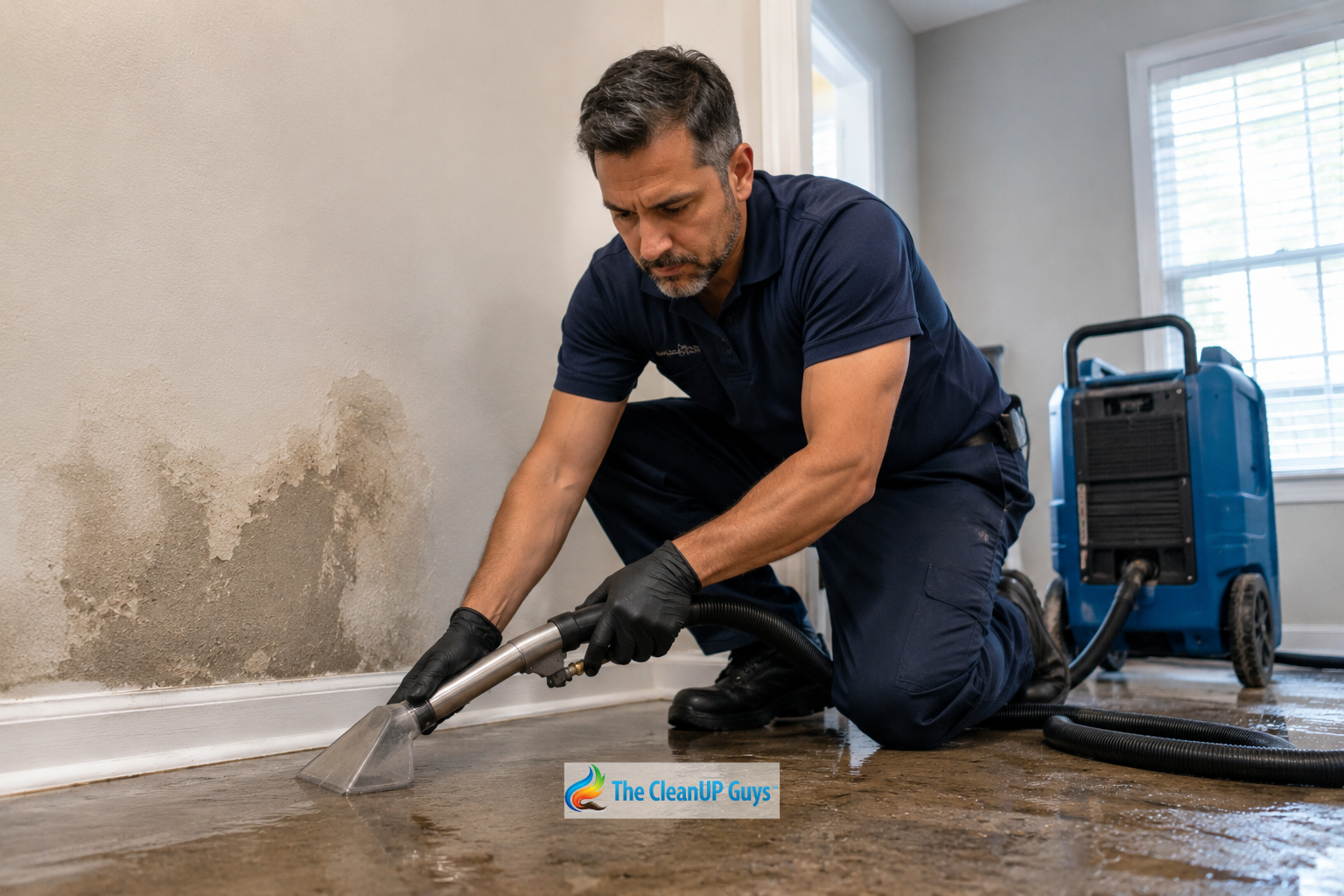
Drying is crucial in mitigation. Water-damaged materials must be carefully evaluated, and tools like air movers, dehumidifiers, and moisture monitors are used to remove hidden moisture. According to the U.S. Department of Housing and Urban Development, moisture control is central to avoiding indoor air problems and decay. If contaminants like sewage are involved, specialized cleanup is needed to protect health and stop cross-contamination; our sewage cleanup process is designed for this.
Technology Trends Changing Restoration Assessments
Drones for Hard-to-Reach Inspections
Technology is reshaping how restoration pros spot and prevent secondary damage. Drones let contractors inspect roofs, upper stories, and unstable areas without risking workers’ safety. High-resolution aerial images show torn roofing, missing flashing, water entry points, and storm impact patterns not obvious from the ground. This leads to quicker decisions and better documentation for insurance and repair planning.
AI-Assisted Damage Analysis
Artificial intelligence is also making a splash in restoration. AI tools can sort inspection data, compare images, identify patterns, and help teams prioritize urgent risks. Research and trend reports, including insights from restoration technology trend analyses, show AI can boost accuracy and speed in claim documentation. For property owners, this means faster assessments and a lower chance of missing hidden secondary damage.
Digital Documentation and Claims Support
Modern restoration teams rely more on digital photos, moisture maps, thermal imaging, and cloud-based reporting. These tools create a clear record of conditions before, during, and after mitigation. Better documentation can speed up insurance communication and reduce disputes over what damage was initial versus what developed later. The result is a more organized recovery process with less room for costly oversight.
Best Practices for Property Owners
Shut Down the Source and Secure the Area
If a pipe bursts, a roof opens, or fire suppression water floods a space, first stop the source if it’s safe. Then secure the area to protect people, pets, and valuables. Turn off water, avoid energized electrical equipment, and keep foot traffic away from unsafe zones. The sooner the area is controlled, the lower the secondary damage risk.
Document the Loss Before Cleanup
Before major cleanup begins, take clear photos and videos of affected areas from multiple angles. Capture standing water, damaged contents, stained ceilings, warped flooring, soot trails, and any visible structural changes. This record backs insurance claims and helps professionals see how the damage is spreading. If you need a walkthrough on what to do after water exposure, our first steps after discovering water damage can assist.
Contact Restoration Professionals Quickly
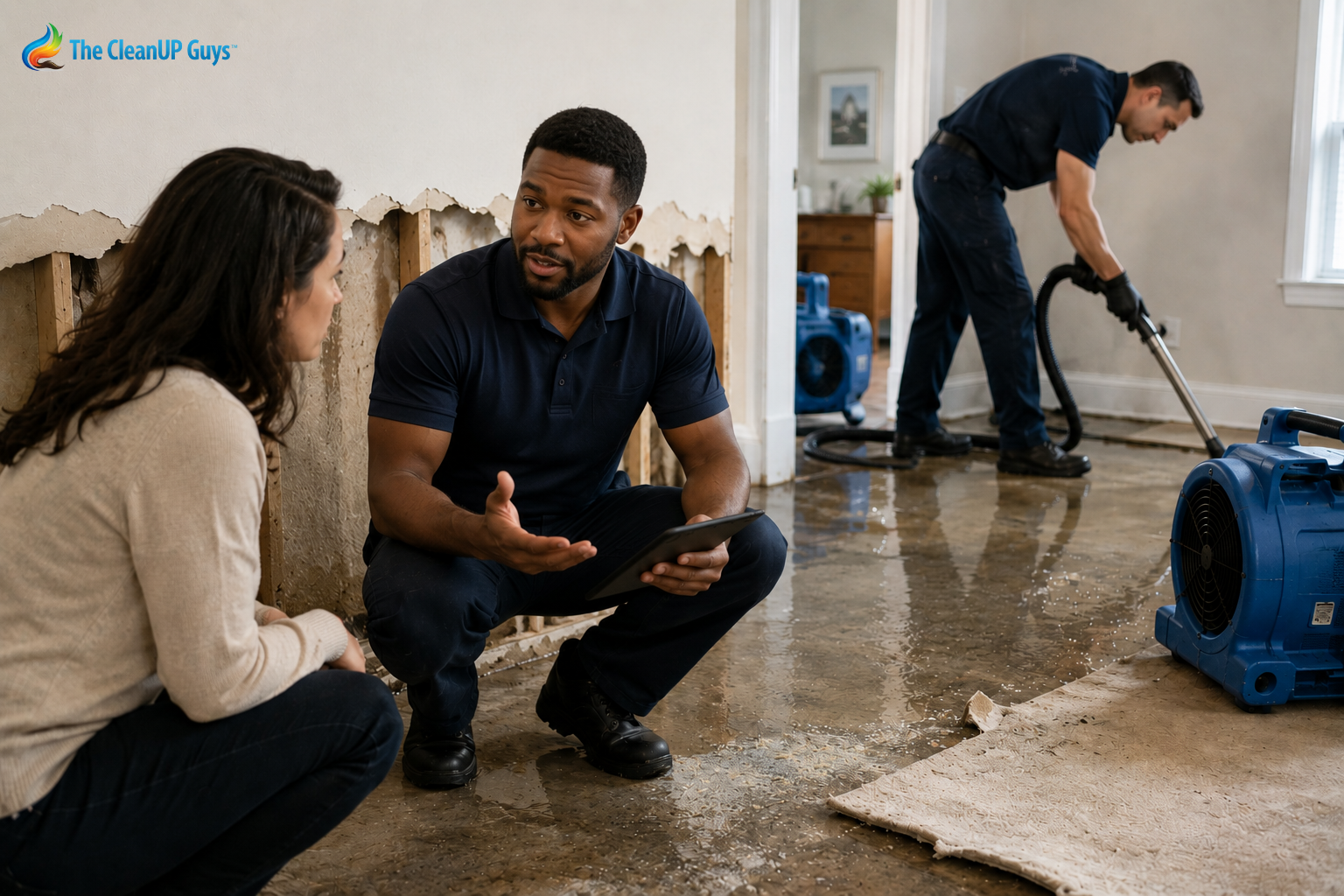
Many homeowners try to handle water or fire losses themselves, but secondary damage can begin before DIY efforts make a real difference. Professional technicians bring extraction equipment, drying tools, containment materials, and specialized knowledge about contaminated materials. This is even more crucial when dealing with floodwater, mold risk, or soot spread. Usually, prompt professional intervention prevents a minor issue from becoming a full structural restoration project.
Special Considerations for Mold, Sewage, and Structural Weakness
Mold Remediation Needs Precision
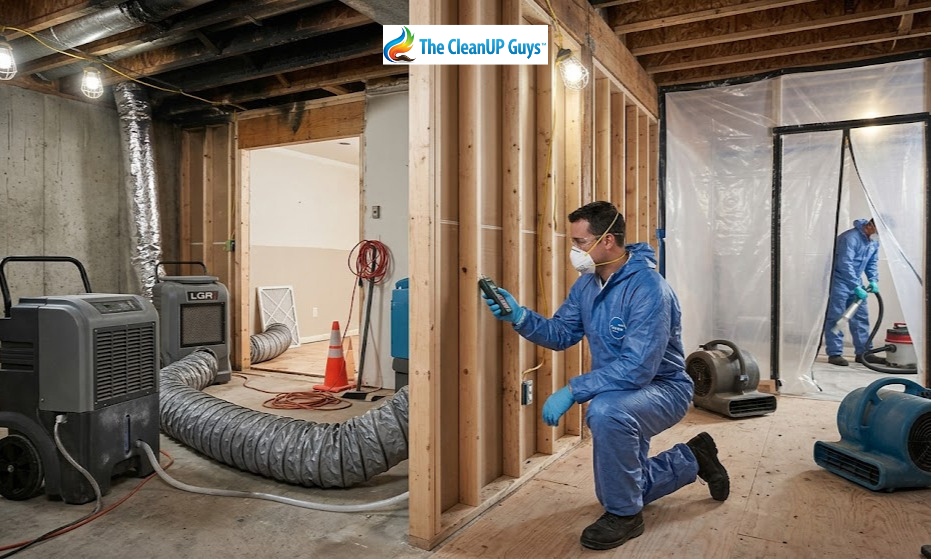
Mold is a clear example of secondary damage because it usually grows after a moisture event, not from the event itself. Once mold starts, affected areas must be isolated, contaminated materials removed, and air quality managed carefully. For this reason, mold removal isn’t just a cleaning task; it’s a controlled remediation process that protects both the building and its occupants.
Sewage Creates Health and Contamination Risks
Sewage backups pose a serious secondary damage threat because contaminants can spread through porous materials, vents, and drain pathways. Any cleanup delay increases the chance of odor persistence, bacterial contamination, and material failure. In these cases, disinfection and moisture removal must happen quickly and thoroughly. If the affected area includes a basement, basement cleaning can help restore a space compromised by water, debris, or long-term moisture exposure.
Structural Stabilization Prevents Collapse and Escalation
When beams, joists, roofing, or load-bearing materials are compromised, the risk goes beyond cosmetic damage to potential collapse. Temporary shoring, reinforcement, and controlled demolition might be needed before permanent repairs can start. These structural steps prevent injuries and stop further loss while the property is being evaluated. In severe cases, stabilization becomes the foundation for every later phase of restoration.
Real-World Example: How Fast Response Reduced Damage Spread
Hurricane Harvey Teaches Urgency
Big disasters show how fast secondary damage can spread, but they also show how effective quick action can be. During Hurricane Harvey in 2017, rapid response teams used water extraction, structural drying, and emergency containment to reduce mold growth and deeper building loss in affected homes and businesses. Properties that got quick help usually had fewer long-term problems than those that waited. This is a reminder that time is one of the most important factors in restoration.
What This Means for Smaller Local Losses
The same principle applies to everyday incidents like burst pipes, appliance leaks, and smoke events. A small basement flood can lead to major flooring and framing repairs if left unnoticed over a weekend. A kitchen fire can leave residue that damages cabinets and electronics if cleanup is delayed. Whether the emergency is big or small, the goal is the same: stop the chain reaction before it gains momentum.
Why Local Response Matters in Chicago
Local weather patterns can make the difference between a contained loss and a widespread one. In Chicago, seasonal rain, snowmelt, and winter storms can all create conditions for water intrusion and hidden moisture. That’s why timely restoration services in the area are crucial for property owners wanting to avoid recurring damage. A local team can respond faster, assess conditions more accurately, and help keep a small incident from becoming a major repair project.
Frequently Asked Questions About Secondary Damage
What Causes Secondary Damage?
Secondary damage usually comes from water intrusion, smoke and soot residue, contamination, and structural weakness after an initial incident. The first event starts the problem, but the follow-up damage happens because materials are left exposed, wet, contaminated, or unstable. In most cases, the longer the delay, the more extensive the secondary damage becomes.
How Can You Prevent Secondary Damage?
Prevention starts with rapid response, site security, immediate extraction or cleanup, and controlled drying. Temporary barriers, proper ventilation, disinfection, and professional assessment all play a part, too. If the event involves water, fire, or sewage, specialized restoration services are usually the best way to stop further deterioration.
Does Insurance Cover Secondary Damage?
Coverage depends on the policy and the cause of loss, but insurance companies often expect property owners to take reasonable steps to prevent further harm. That means documenting damage, calling for help quickly, and reducing exposure where possible. Delays can complicate claims, especially if avoidable secondary damage is discovered later.
Why Prevention Is Cheaper Than Repair
Secondary Damage Drives Up Costs
As damage spreads, restoration gets more complicated. More labor is needed to remove compromised materials, more equipment is needed for drying or cleaning, and more time is required for inspections and approvals. Even a minor delay can turn a localized repair into a full room or full-floor reconstruction. Prevention is usually the more affordable path.
Health and Safety Risks Grow Over Time
Costs aren’t the only concern. Secondary damage can create mold exposure, poor indoor air quality, electrical hazards, and unstable surfaces that threaten everyone in the building. These risks are especially serious in homes, rental properties, and commercial spaces that can’t afford prolonged downtime. Quick mitigation protects both the structure and the people inside.
Professional Help Speeds Up Recovery
Experienced restoration companies know how to spot the first signs of hidden damage, prioritize the right steps, and reduce long-term costs. The CleanUP Guys provide emergency restoration support with quick response, advanced equipment, and trained technicians who focus on minimizing further loss. If you’re facing a water, fire, sewage, or storm-related emergency, acting fast can make all the difference. For urgent help, explore our service options and get the right team on-site before secondary damage spreads further.
Act Now Before Damage Worsens
Secondary damage is one of the main reasons restoration projects turn expensive and stressful. It develops after the original event, often out of sight, and can impact materials, air quality, structure, and safety all at once. The best way to prevent it is simple in principle but urgent: respond fast, stabilize the property, dry and clean thoroughly, and bring in qualified professionals before hidden damage spreads.
If your property has suffered water, fire, mold, sewage, or storm damage, don’t wait for the problem to grow. Contact The CleanUP Guys for help with mitigation, cleanup, drying, and restoration so you can protect your home or business from secondary damage. When every hour counts, the right response can save thousands in repairs and help you recover with confidence.