Why Quick Recovery Is Crucial for Businesses
When a commercial property in Chicago gets hit by a fire, flood, or any structural damage, every minute counts. Delays can hurt revenue, productivity, and customer trust. That’s why restoration isn’t just about cleaning up; it’s a strategy to help businesses bounce back faster and safer.
In a bustling city like Chicago, where businesses are housed in historic buildings and busy offices, recovery needs to be swift and accurate. Companies that plan and work with skilled restoration specialists can minimize their losses and get back to serving customers sooner. The real difference between a small hiccup and a major disruption often comes down to how quickly businesses act in those first few hours.
Restoration today is powered by modern tools and better coordination. The Restoration Industry Association notes that restoration work is a big part of the U.S. economy, contributing billions annually. As FEMA highlights, businesses that prepare for disasters and move quickly afterward can greatly reduce downtime and keep operations going.
What Restoration Services Do After a Disaster
Emergency Stabilization and Risk Control
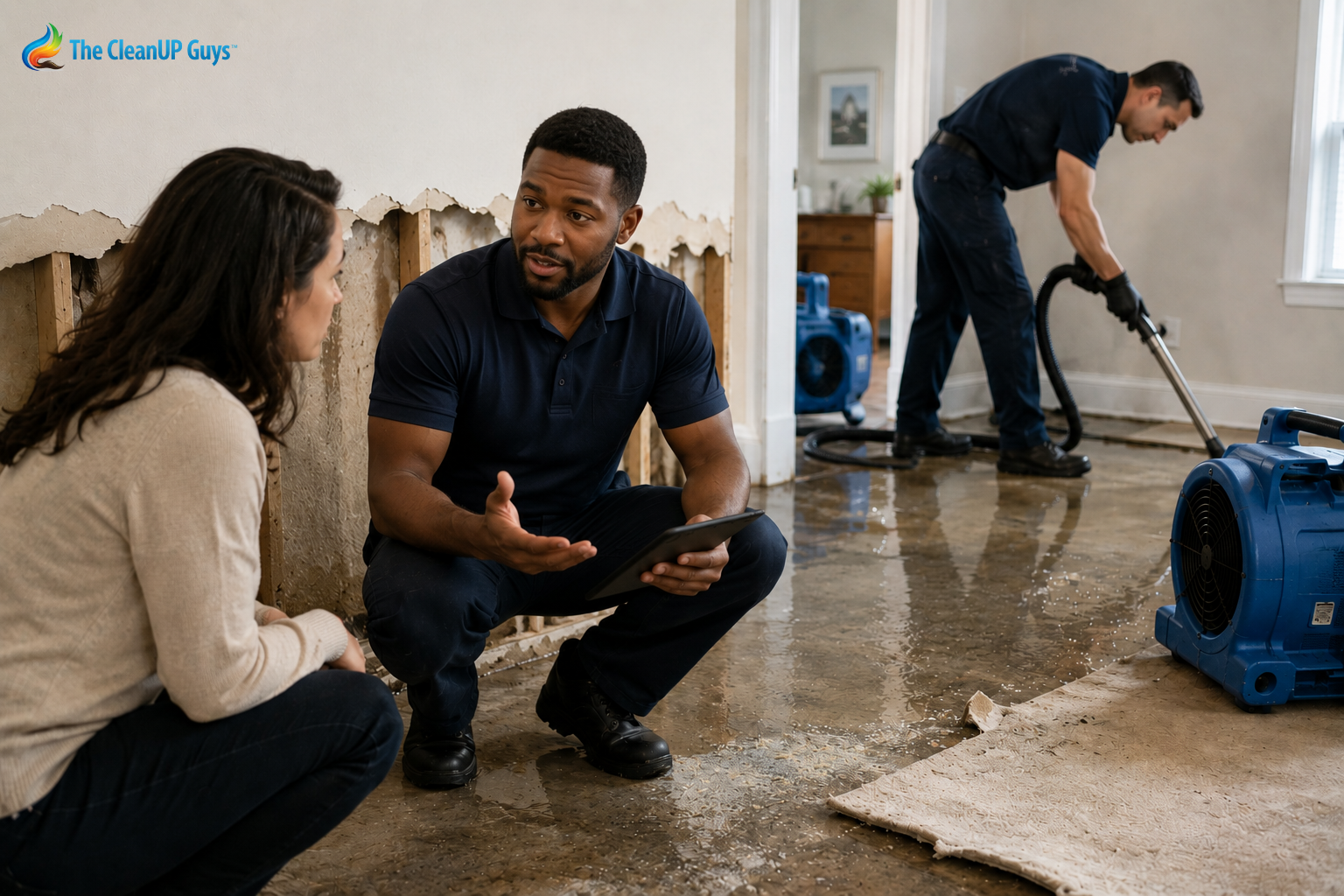
First things first, a restoration team needs to stop the damage from getting worse. This might involve removing standing water, securing a damaged area, or isolating contaminated materials. Acting fast is key because secondary damage often costs more than the initial problem.
Water-related emergencies need quick intervention from water damage professionals. They can help prevent structural damage, save flooring and drywall, and lower the risk of mold. And for sewage issues, sewage cleanup is crucial because contaminated water poses health risks and can disrupt business.
Cleaning, Drying, and Decontamination
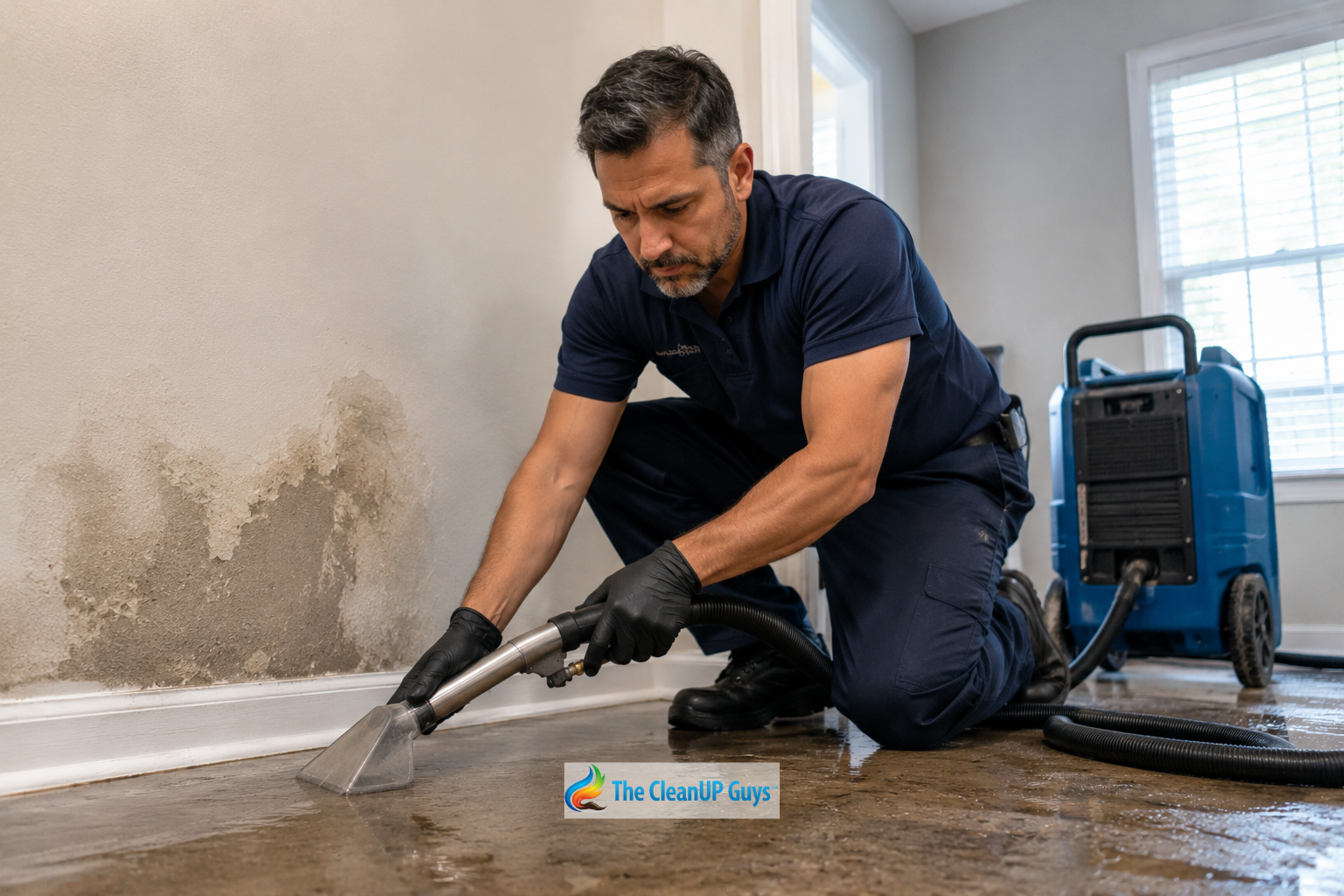
Once the area is stable, the next step is targeted cleaning and drying. This can involve antimicrobial treatments, deodorization, and getting rid of unsalvageable materials. The aim is to ensure the property is safe for everyone.
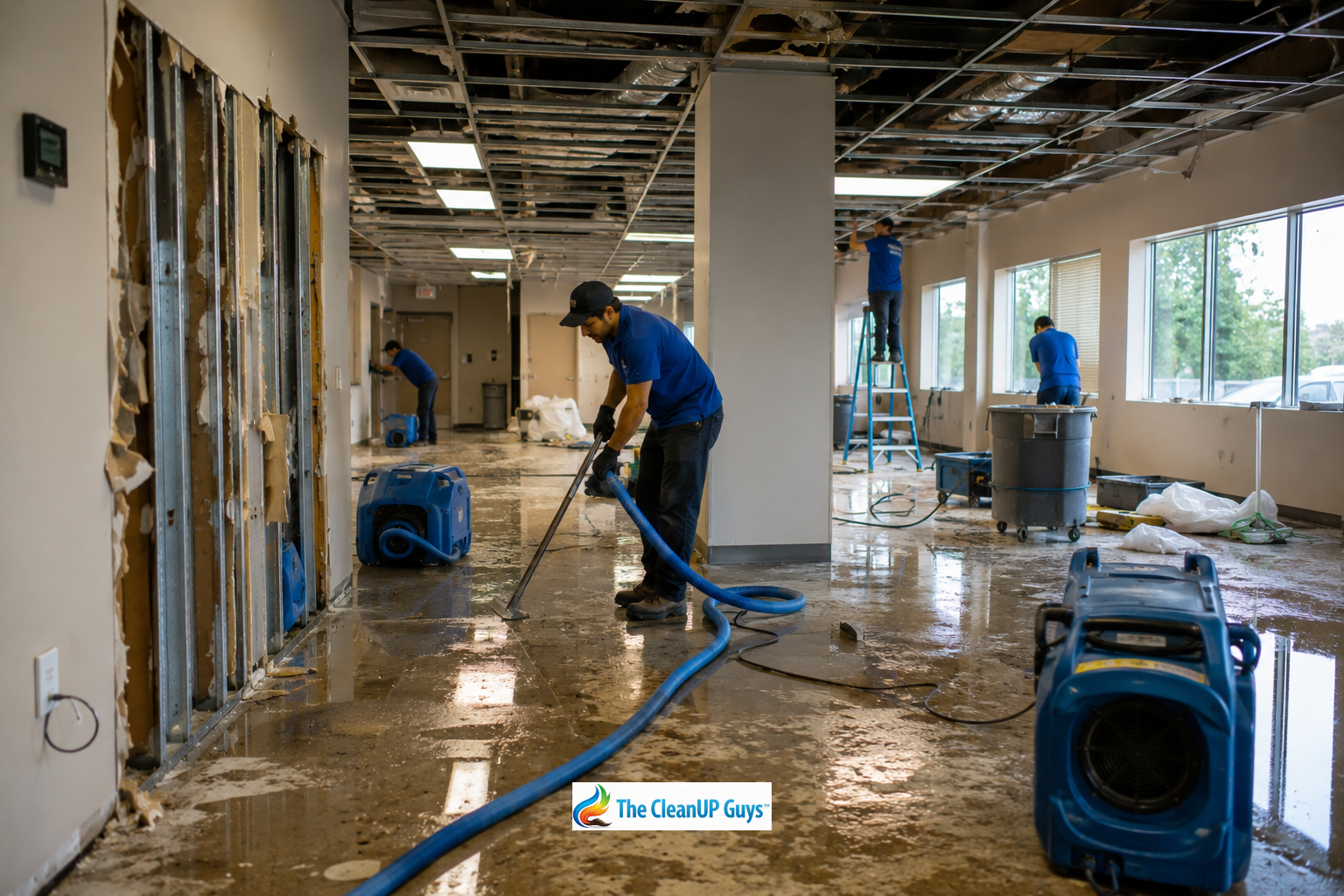
For fire incidents, a fire damage plan might involve removing smoke and soot, filtering the air, and recovering contents. In flood situations, flood cleanup helps remove debris and dry out the building. And if there’s a basement involved, basement cleaning is often necessary to make the space usable again.
How Technology Speeds Up Restoration
AI, Sensors, and Quick Damage Assessment
A big trend in restoration is using advanced tech to speed up assessments. AI tools can analyze drone images and sensor data to spot moisture and structural issues. This helps teams prioritize tasks faster and with more accuracy.
These tools are useful because business owners need answers fast. The quicker the team can figure out what’s damaged and what’s salvageable, the sooner they can plan a reopening. Insights from industry experts show that AI and automation are helping speed up response times and improve documentation workflows. For more on digital capture methods, check out Matterport’s case study.
3D Scanning for Insurance Claims
Another big advancement is 3D scanning. This tech allows restoration companies to create detailed digital records of the damage, aiding in better planning and clearer communication with insurers.
These records can help reduce claim disputes and speed up approvals. When insurance adjusters can see a detailed digital model of the damage, they’re better able to judge the scope of work. This is especially valuable for commercial restoration, where time means money.
Why Acting Fast Cuts Down Time
The First 24 Hours Matter
The day after a disaster is crucial for minimizing business disruption. Water can seep into hidden areas, smoke can damage surfaces, and contaminants can spread if not addressed quickly. Even a short delay can lead to more extensive and costly repairs.
Professional restoration teams are on call 24/7 to reduce downtime by getting on-site quickly, identifying hazards, and starting mitigation. Research shows that businesses using professional restoration services often cut downtime by 30% to 50%, depending on the damage.
Secondary Damage Adds Up
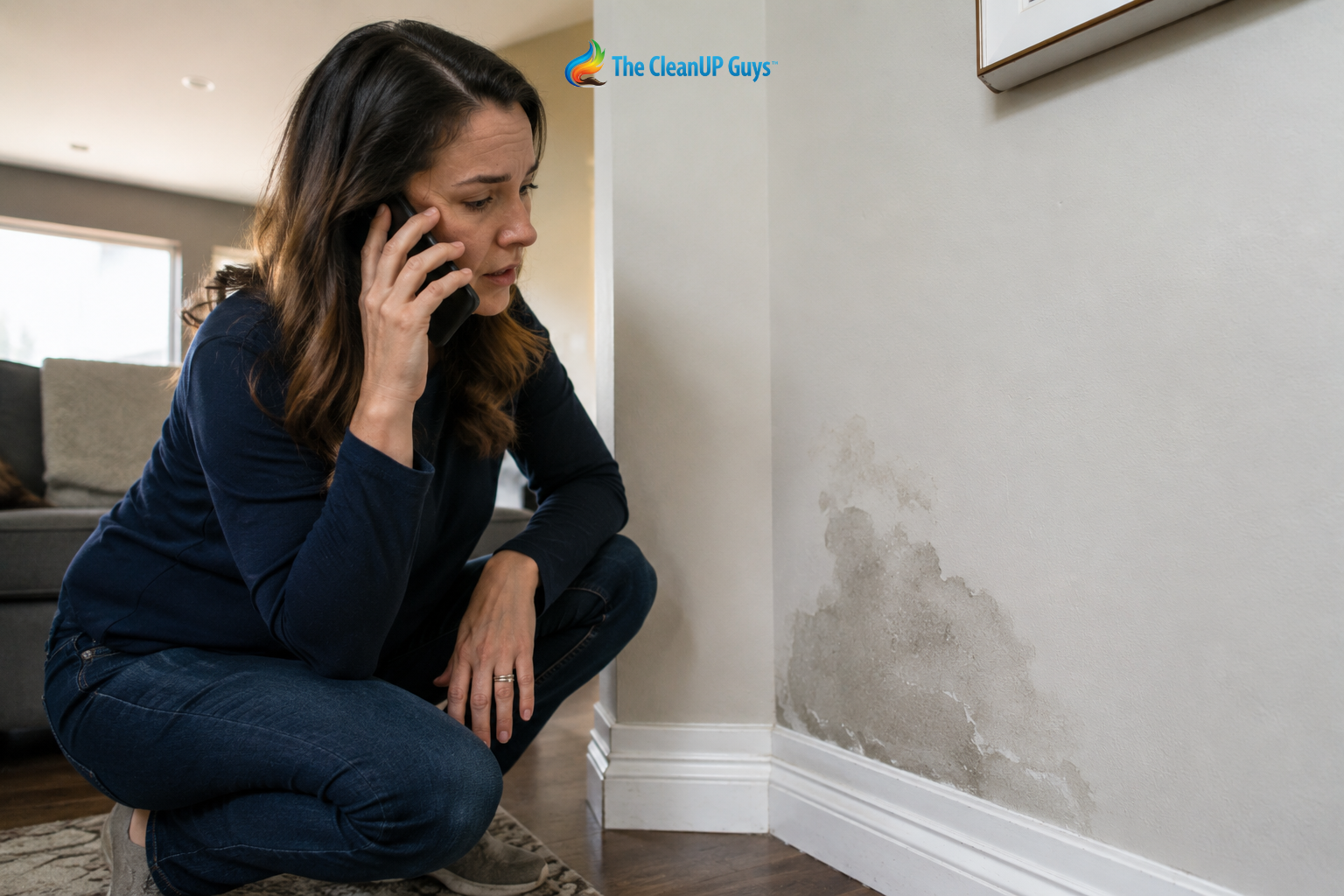
Many business owners think the visible damage is the only problem, but hidden issues can continue causing harm. Moisture behind walls, soot in ducts, and bacteria in materials can all lead to bigger problems like mold and poor air quality.
That’s why a restoration plan should aim to prevent further damage, not just clean up the mess. Businesses looking to protect against ongoing damage might find our guide on preventing extra damage helpful.
Insurance Coordination for Faster Reopening
Supporting the Claims Process
Insurance can greatly impact restoration timelines. Even if a policy covers the loss, delays happen if documentation is lacking or unclear. Restoration teams that keep detailed records help avoid these issues.
Photos, moisture readings, and 3D scans create a strong paper trail for claims. This is especially useful in commercial settings where multiple parties might be involved. The outcome is a smoother transition from emergency mitigation to approved repairs.
Clear Communication Saves Time
When restoration pros communicate well with insurance providers, it reduces misunderstandings and speeds up the work. This coordination is crucial for larger losses that might involve structural repairs or temporary relocations.
For businesses trying to stay operational, this alignment is key. A team that knows both cleanup and claims support can guide owners on repairs, replacements, and the safe reopening.
Choosing the Right Restoration Partner
Experience and Responsiveness
Not all restoration companies are equipped for commercial losses. Look for a partner with experience, 24/7 availability, trained staff, and the right tools for the job. Certifications and safety protocols are also important, especially when dealing with contamination or hazardous materials.
After a sewage incident, for instance, strict containment and odor control are needed. A company familiar with mold removal can also help prevent future air quality issues after water exposure.
Full-Service from Cleanup to Reopening
The ideal restoration partner handles everything from emergency response to final inspection. When multiple vendors are involved, delays often increase because work has to be coordinated.
This full-service approach is crucial for businesses that can’t afford long closures. For places dealing with trauma or biohazard incidents, discreet crime scene services are available to restore spaces safely.
Real-World Examples of Restoration Benefits
Large-Scale Preservation Saves Time and Money
Restoration isn’t just about emergency cleanup. In many cases, it preserves valuable assets that would otherwise be replaced. For example, the Tribune Tower condo conversion saved over $250,000 by restoring glass panes instead of replacing them.
Another example is Calvary Academy in South Holland, Illinois. By sequencing repairs, the project minimized disruption. This approach also helps businesses by allowing some areas to reopen sooner while work continues elsewhere.
Chicago Properties Need Specialized Planning
Chicago’s unique architecture poses restoration challenges. Many buildings combine historic materials with modern systems. Local expertise is crucial because a restoration team needs to protect structures while meeting commercial demands.
Projects like the masonry work at the Museum of Science and Industry show why careful planning and skilled coordination are essential. Businesses seeking restoration services in Chicago should find a team that understands local building types and conditions.
Common Questions from Business Owners
How Quickly Can My Business Reopen?
It depends on the extent of the damage. Minor water issues might allow a quick reopening, while fire or structural damage might need more time. The best teams provide realistic timelines and keep owners updated.
The key is acting fast and staying consistent through recovery. If damage is addressed promptly, the timeline is often shorter with less material removal needed.
Will Insurance Cover the Costs?
Most commercial insurance policies cover restoration expenses if the loss is included. Owners should review their coverage and document incidents promptly.
Working with a restoration team that understands insurance workflows can reduce stress and keep recovery moving smoothly.
What if There’s Contamination or Odor?
Contamination and odor need specialized treatment. Sewage, mold, and smoke can linger if not properly addressed. In these cases, remediation involves disinfection and deodorization.
Never reopen if there are any signs of compromised air quality or sanitation. A short closure is better than exposing staff or customers to hazards.
How The CleanUP Guys Help Businesses Recover Fast
Fast 24/7 Emergency Response
The CleanUP Guys prioritize speed. With 24/7 availability, they respond when businesses need it most, whether it’s water, sewage, smoke, or flood damage. Quick response limits spread and protects assets.
This rapid response is key for commercial settings where every hour counts. Early mitigation helps preserve inventory and equipment and allows for accurate documentation.
Specialized Cleanup and Safe Restoration
The company’s expertise in hazardous cleanup ensures safe recovery. Services like deep cleaning, disinfection, and odor removal restore safe conditions quickly.
Restoration is about more than looks. The building must be safe, dry, and functional before reopening. A team skilled in contamination control and structural drying helps avoid repeat losses.
Steps to Speed Up Your Reopening
Act Fast and Protect the Site
If damage occurs, keep people safe and call for help immediately. Shut off water, avoid contaminated materials, and document the scene safely. Quick action limits further damage.
Notify your insurer early and start an incident log. Record what happened, when, and which areas were affected. These details aid the claims process and help build a recovery plan.
Opt for a Phased Reopening Plan
Not every business needs to wait for full repairs to reopen. Sometimes, restoration teams can isolate damaged areas, allowing unaffected parts to open first. This protects revenue while repairs continue.
This approach is effective for larger spaces like offices and retail locations. It requires coordination but reduces the burden of a loss.
Conclusion: Restoration Services Are Key to Reopening
When a commercial property is damaged, restoration services do more than clean up. They stabilize the site, coordinate with insurers, and create conditions for a quick reopening. For business owners, this means less downtime and a clearer path back to normal operations.
Modern tools like AI and 3D scanning make restoration more effective, while experienced teams provide the hands-on response businesses need. If you need help after water, fire, sewage, or flood damage, act quickly and choose a partner that can handle both immediate cleanup and long-term recovery. To learn more about our services or request help, visit The CleanUP Guys or check out our complete cleanup guide.
For Chicago businesses needing dependable support, The CleanUP Guys are ready to restore safety and move recovery forward. If you face an emergency, don’t wait for damage to spread. Contact a qualified restoration team today to start your path to reopening.