Professional Cleanup Services After Unexpected Home Damage: A Complete Homeowner’s Guide
When unexpected damage hits your home, a normal day can quickly turn stressful. Whether it's from a burst pipe, a roof leak, a fire, or a storm, the first few hours are crucial to save as much of your property as possible. Professional cleanup services can help you act fast, reduce lasting damage, and restore your home's safety and comfort before things get worse.
This guide walks you through how restoration teams handle emergencies, why acting quickly matters, the tools they use, and how they work with insurance companies to make recovery smoother. You'll also learn how services like water damage restoration, fire damage restoration, and mold removal are part of a complete recovery plan. If you're facing sewage or contamination issues, sewage cleanup is key to making your home safe again.
The National Association of Home Builders says water damage makes up about 25% of all insurance claims in the U.S., showing how common and costly these emergencies are. The Institute of Inspection, Cleaning, and Restoration Certification highlights that quick water damage restoration can significantly cut down repair time. Knowing how professional cleanup works helps you make faster decisions to protect your home better.
Why Professional Cleanup Matters After Sudden Property Damage
Stopping Damage Before It Spreads
Water, smoke, soot, and debris like to travel. Moisture seeps into drywall, insulation, flooring, and frames, while smoke residue can settle into vents, fabrics, and porous materials. If you delay cleanup, a small issue can quickly grow into a major structural and health concern. Professional teams know where damage starts, where it goes, and what can be saved or needs replacing.
This is crucial after storms and floods, where hidden moisture can stay trapped behind walls or under floors. A complete response often includes flood cleanup and sometimes basement cleaning if lower levels are affected. Acting quickly reduces the risk of mold growth, wood rot, and costly reconstruction later.
Protecting Health and Indoor Air Quality
Cleanup isn't just about fixing property damage; it's about keeping you safe. Standing water can be contaminated, smoke particles can irritate your lungs, and mold spores can spread quickly through HVAC systems. The U.S. Environmental Protection Agency explains that controlling moisture is key to preventing mold problems. Fixing leaks and drying materials fast are crucial steps. You can find more guidance on mold from the EPA.
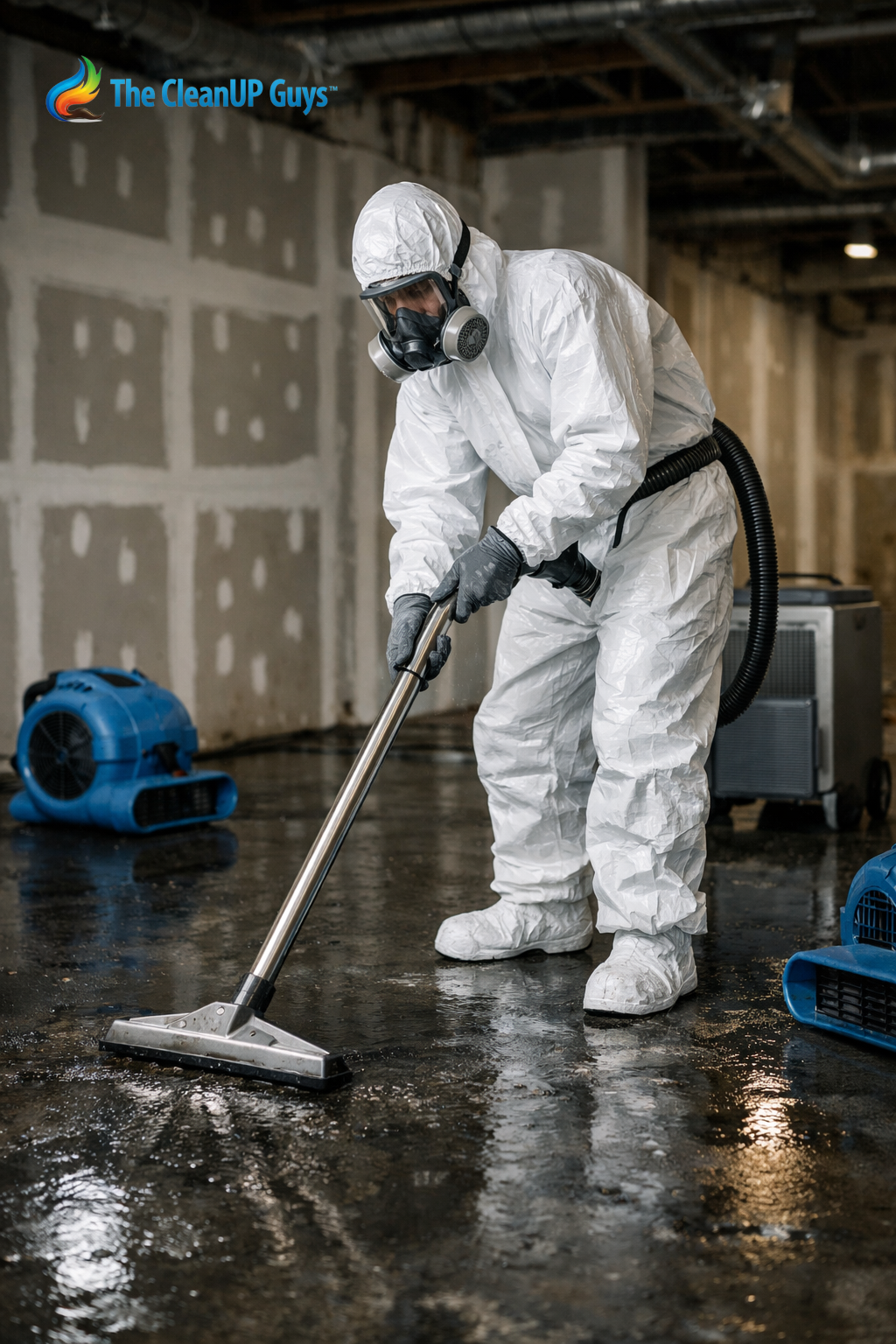
Professional teams use protective gear, containment barriers, air filtration, and sanitizing methods to minimize exposure during cleanup. This is important for families with kids, seniors, pets, or anyone with asthma or allergies. In cases like sewer backups, quick professional help isn't optional; it's the safest choice.
What Modern Restoration Teams Do Differently Today
Advanced Moisture Detection and Thermal Imaging
One big trend in restoration is using advanced tools to find damage not visible to the naked eye. Thermal imaging cameras, moisture meters, and moisture mapping tools help technicians spot wet spots inside walls, under floors, and in ceilings. This means they can dry everything more thoroughly and avoid leaving hidden moisture behind.
These tools are valuable because the most costly damage is often the damage you can't see. A room might look dry on the surface while insulation is soaked or subfloors are still wet. Professional water damage restoration teams use these tools to track drying progress and document conditions for both you and your insurer.
Eco-Friendly Restoration Methods
Another important change is the shift toward sustainable cleanup practices. Many companies now use non-toxic cleaning agents, low-emission equipment, and energy-efficient drying systems whenever they can. This reduces environmental impact while still providing effective sanitation and odor control.
Eco-friendly methods are especially helpful in homes where residents are sensitive to harsh chemicals or where there are kids and pets. Sustainable cleanup means using smarter methods that balance performance, safety, and responsibility. As restoration technology advances, homeowners can expect cleaner results with fewer materials removed and less waste sent to landfills.
Better Documentation and Digital Reporting
Modern restoration also includes better recordkeeping. Digital photos, moisture logs, item inventories, and drying reports can be easily shared with homeowners and insurance adjusters. This documentation supports claims, verifies the scope of work, and reduces disputes about what was damaged and what was repaired. For many homeowners, this administrative support is as valuable as the physical cleanup itself.
This means less confusion during a stressful time. Instead of piecing together what happened days later, the restoration team creates a clear record from the start. That level of organization is one reason professional services can make the entire recovery process feel more manageable.
How a Professional Cleanup Process Works Step by Step
Emergency Response and Site Stabilization
The first step is a quick response. A professional team assesses the scene, determines immediate hazards, and stabilizes the property to prevent further loss. This might involve shutting off water, boarding up openings, extracting standing water, or isolating contaminated spaces. Services like emergency board-up services can be vital after severe weather or fire damage, even if the main repairs come later.
Speed matters because every delay increases the risk of more damage. A case study from Alliance Disaster Kleenup showed that a fast response after severe storms helped preserve a neighborhood landmark's integrity. Quick action saves both structural value and historical character, not just replacing damaged materials. This principle applies to homes of any size.
Thorough Assessment of Visible and Hidden Damage
Once the scene is safe, the restoration team conducts a thorough inspection. This includes visible rooms, crawl spaces, attics, closets, wall cavities, and other hidden areas where damage often lurks. The goal is to understand the full scope of the problem, not just the obvious symptoms. A surface-level inspection is rarely enough after fire, water, or sewage exposure.
Homeowners might think only one room is affected when the true damage has spread much farther. Hidden moisture can migrate under trim, behind cabinetry, or into adjacent rooms. This is why a comprehensive assessment is a best practice in modern restoration and one of the main reasons professional cleanup is more effective than trying to solve the problem alone.
Extraction, Drying, Cleaning, and Deodorizing
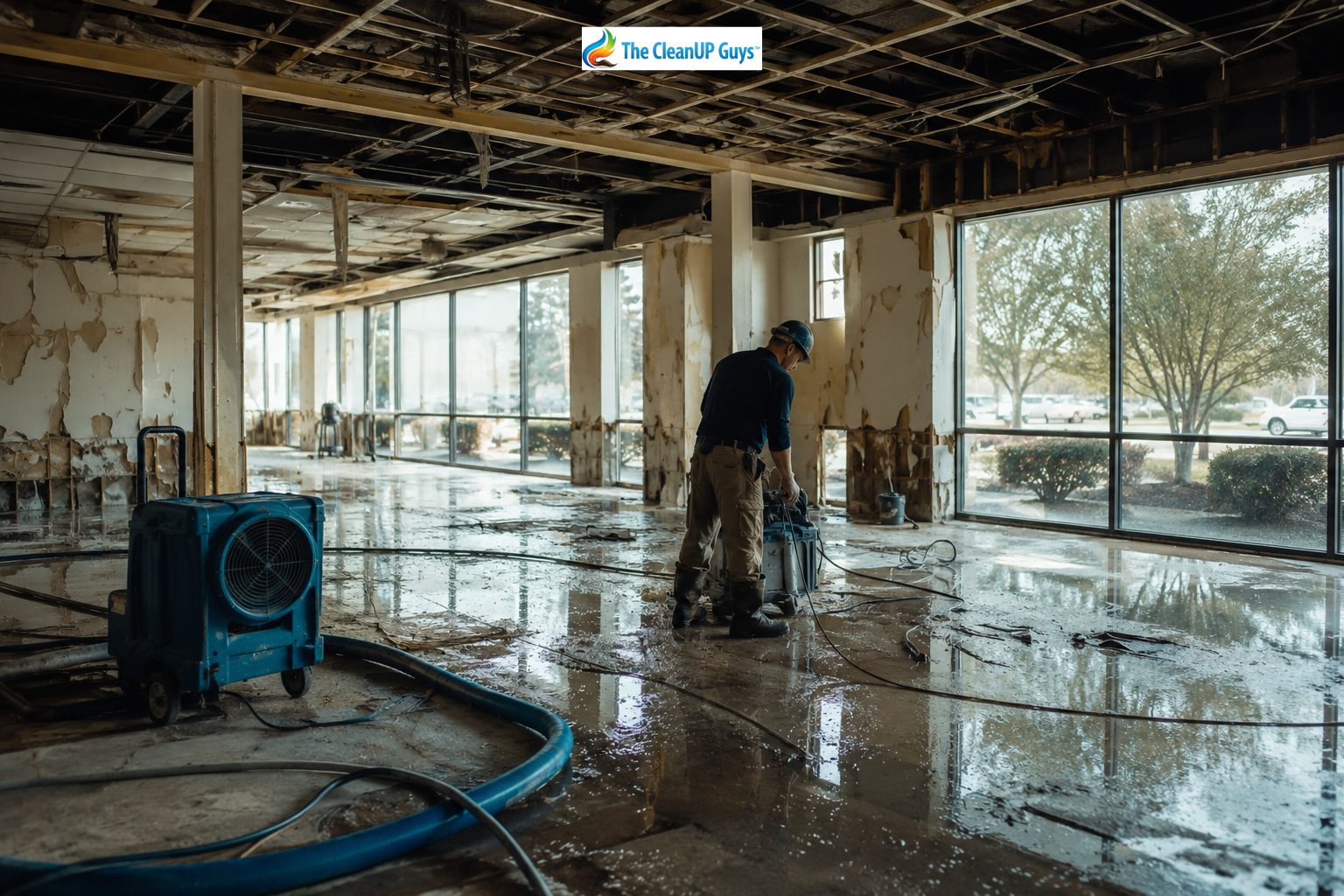
After the assessment, crews start extraction and drying. Industrial pumps, air movers, and dehumidifiers remove water and speed up evaporation. Contaminated materials may be removed, while salvageable items are cleaned, disinfected, and dried according to their material type. Smoke and soot cleanup requires a different approach, often involving specialty chemicals and techniques to restore surfaces without spreading residue.
Odor removal is also a major part of the job. Smoke, sewage, and stagnant water can leave persistent smells that standard household cleaners can't eliminate. Professional cleaning teams use odor neutralization, HEPA filtration, and deep cleaning protocols to restore livability. This is where fire damage restoration and sewage cleanup become especially important because they tackle both visible damage and hidden contamination.
Why Fast Action Can Save Money and Reduce Stress
Shortening Repair Timelines
The Institute of Inspection, Cleaning and Restoration Certification reports that prompt water damage restoration can reduce repair time by up to 50%. That shows why you shouldn't wait to see if damage "dries out on its own." Letting it dry on its own often leaves materials weakened, which can stretch repairs and raise costs later.
Faster restoration also means less disruption to daily life. Families can get back to sleeping in their own beds, using their kitchens, and moving around safely. When the response is delayed, a simple cleanup can turn into a major project requiring demolition, reconstruction, and temporary relocation. Professional services help prevent that escalation whenever possible.
Reducing Insurance Complications
Many homeowners are surprised by the amount of documentation needed for a claim. Restoration companies often work directly with insurance providers, supplying photos, damage assessments, drying logs, and itemized estimates. This can streamline the claims process and help ensure the insurer has accurate information from the beginning.
It's still wise to review your own policy since coverage varies. The Insurance Information Institute offers helpful resources at III consumer guidance, including advice on common homeowner claim issues. When you combine insurance knowledge with a strong restoration partner, you're better prepared to make informed decisions during a crisis.
Lowering the Risk of Mold and Structural Deterioration
Delay is costly because water and humidity keep working long after the initial event ends. Wood can swell, drywall can break down, and mold can start developing in as little as 24 to 48 hours in the right conditions. That's why immediate contact is one of the most repeated recommendations from restoration pros.
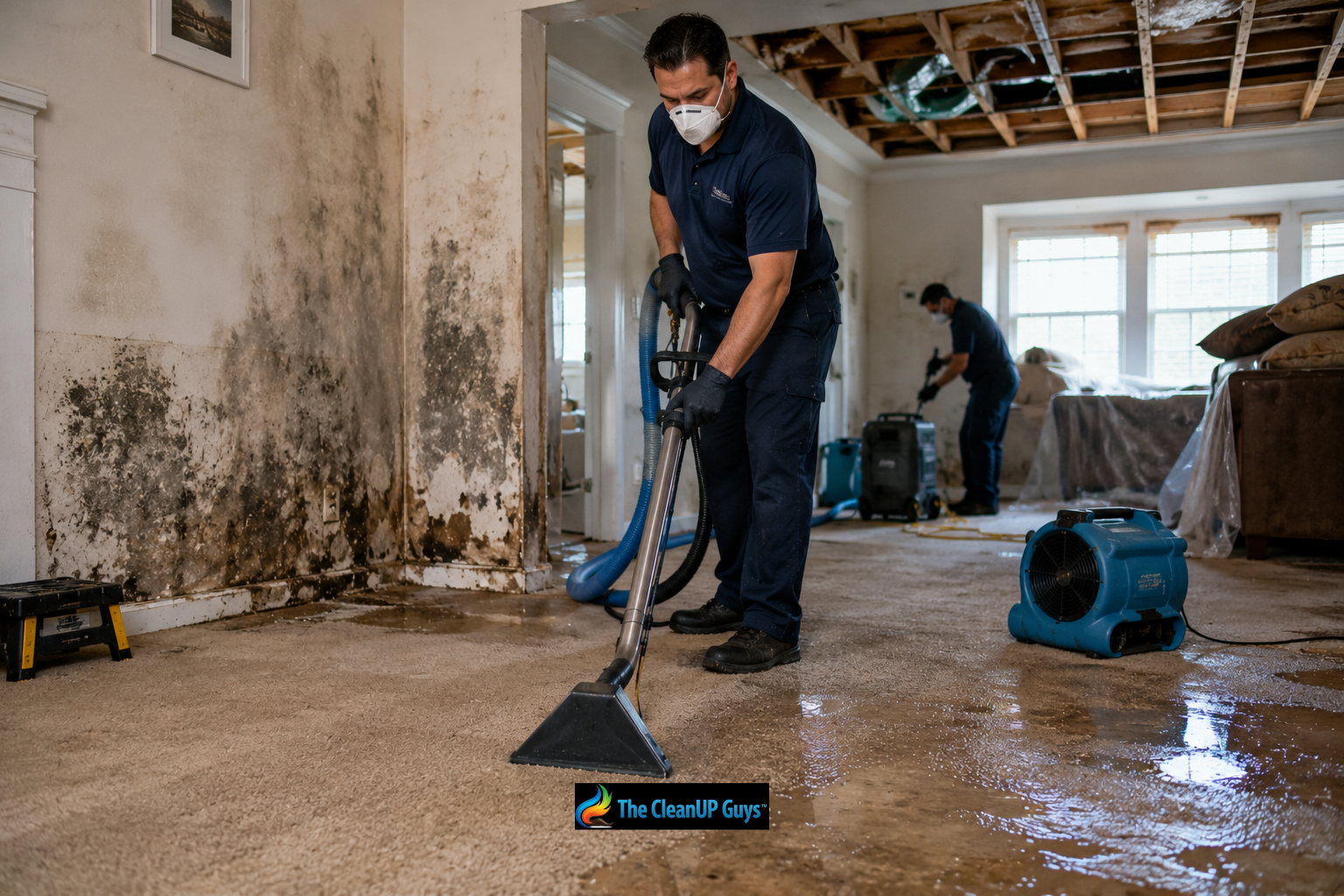
If mold is already suspected, targeted mold removal may be necessary as part of the recovery process. The longer the moisture stays, the more likely the job becomes complicated and invasive. Acting quickly is the best way to protect both your home’s structure and the health of the people living inside it.
Common Types of Unexpected Home Damage and How Pros Respond
Storm and Flood Damage
Storms can damage roofs, siding, windows, basements, and electrical systems all at once. Floodwaters may carry debris, bacteria, and sediment, which means cleanup must address contamination as well as moisture. Often, the work starts with extraction and debris removal, then moves into sanitizing and drying affected areas.
For Chicago homeowners, the mix of harsh winters, heavy rain, and humid summers makes properties vulnerable to different types of seasonal damage. A local response team familiar with these conditions can be especially helpful. If you need fast support in the area, Chicago emergency restoration help can provide water removal, disinfection, drying, and odor control when time matters most.
Fire and Smoke Damage
Fire damage isn't just about things that are burned. Soot can stain walls, smoke can infiltrate fabrics and ventilation systems, and water from firefighting can create additional damage. Restoration professionals often handle all three layers of the problem: fire, smoke, and water. That integrated approach is essential because leaving one issue untreated can compromise the entire recovery effort.
Professionals also assess whether contents can be cleaned, packed out, or discarded. This helps preserve sentimental and financial value where possible. In larger projects, a full-service provider may coordinate structural stabilization, cleaning, and reconstruction so that the home can move from emergency response to full recovery with fewer delays.
Sewage Backups and Contaminated Water
Sewage events require special care because of the health risks involved. Backed-up water can contain harmful bacteria and other contaminants that should never be handled without proper training and equipment. Professional teams isolate the affected area, remove contaminated materials, disinfect surfaces, and dry the space thoroughly.
For homes with basement plumbing problems or sewer line failures, sewage cleanup is one of the most important services available. It's not just about removing water; it's about restoring safe living conditions. When contamination is involved, homeowners should avoid contact and call trained professionals right away.
Real-World Examples That Show the Value of Expert Restoration
Historic and Large-Scale Projects
Case studies from the industry show that restoration is about more than repair—it's about preservation. Alliance Disaster Kleenup’s Phoenix Award-winning project in 2011 involved restoring a 22,000-square-foot facility after severe storms, demonstrating how advanced planning and skilled execution can protect major structures. Their work earned recognition because it combined urgency, technical skill, and attention to detail.
Another example comes from RestoreWorks, which has handled significant projects since 1988, including work on the Art Institute of Chicago. Projects like these remind homeowners that restoration professionals are trained to manage complex environments, not just isolated water spots or smoke stains. The same methods used for large properties often benefit residential homes as well, especially when hidden damage is involved.
Local Response Matters in Unpredictable Weather
In regions with variable weather, fast local service can make a meaningful difference. Chicago, for example, faces freezing temperatures, spring rains, and summer humidity, all of which can contribute to leaks, burst pipes, basement flooding, and mold growth. A restoration company with 24/7 availability can respond when damage happens at night, on weekends, or during severe weather events.
That local responsiveness is especially valuable when water is still spreading or temperatures are dropping. The quicker the cleanup begins, the less likely the property will face secondary damage. For homeowners, choosing a team with both technical skill and local experience can improve results from the very first hour.
What Homeowners Should Do Before the Cleanup Team Arrives
Focus on Safety First
If the damage involves electricity, structural instability, sewage, or fire, do not enter the property until it's declared safe. Turn off utilities if you can do so safely, keep children and pets away from the area, and avoid contact with contaminated water. If there's any doubt about safety, wait for trained professionals to assess the scene.
It's also smart to document the damage from a safe distance. Photos and videos can help with insurance and provide a clear record before cleanup begins. However, documentation should never come before personal safety.
Limit Additional Loss Where Possible
Simple steps like moving dry items away from moisture, placing buckets under active leaks, and ventilating the space can reduce further damage. If the weather allows, you may also close off affected rooms to keep contaminants from spreading. These are temporary measures, not a substitute for professional cleanup, but they can help reduce the scope of the problem.
Don't attempt to remove moldy materials, handle sewage contamination, or use high-powered fans in ways that could spread debris. Once the emergency team arrives, they can determine the safest and most effective next steps. If you're dealing with repeated basement issues, a professional basement cleaning service may also help restore the space and prevent future problems.
Frequently Asked Questions About Professional Cleanup Services
How Quickly Should I Contact a Professional After Damage?
Immediately. The sooner a cleanup team can inspect and stabilize the property, the better your chances of limiting secondary damage. Waiting even one day can allow water to soak deeper, mold to begin growing, or smoke residue to set into surfaces. Fast contact is one of the simplest ways to improve the outcome.
Will My Insurance Cover Restoration Costs?
Coverage depends on the source of the damage and the terms of your policy. Sudden events like burst pipes or storm damage may be covered differently from gradual leaks or maintenance issues. A professional restoration company can help document conditions and communicate with your insurer, but you should always review your policy and speak directly with your provider.
How Do Professionals Ensure Thorough Cleanup?
They use specialized equipment, industry standards, and a multi-step process that addresses extraction, drying, disinfection, deodorization, and monitoring. They also inspect hidden spaces so that damage is not missed. This is one of the biggest differences between professional cleanup and a basic surface cleaning approach.
Can Cleanup Services Help After Commercial Damage Too?
Yes. Many restoration providers offer commercial restoration for offices, retail spaces, and industrial facilities. The process is similar, but the goals often include minimizing business interruption, protecting inventory, and reopening safely as soon as possible.
How to Choose the Right Cleanup Partner for Your Home
Look for Experience, Certification, and Availability
When choosing a restoration provider, look for a team with proven experience, 24/7 emergency response, and certified technicians. Credentials matter because restoration work requires more than general cleaning skills. It requires technical knowledge of materials, moisture behavior, contamination, and safety procedures.
Ask whether the company handles the full scope of work, from emergency response and mitigation to drying and coordination with insurance. The best providers make the process simpler, not more complicated. They should be able to explain what happened, what needs to happen next, and how long the project is likely to take.
Ask About Equipment, Documentation, and Communication
Before hiring a team, ask what tools they use to detect hidden damage and monitor drying progress. Thermal imaging, moisture mapping, and industrial dehumidification are good signs that the company takes thoroughness seriously. You should also ask how they communicate updates and whether they provide written reports or photos.
Transparent communication matters because homeowners are already under stress during a loss. A reliable provider should answer questions clearly and keep you informed throughout the process. That combination of technical skill and customer support is what turns a difficult event into a manageable recovery.
Conclusion: Restoring Safety, Comfort, and Confidence After Home Damage
Unexpected home damage is disruptive, but it doesn't have to become a permanent setback. Professional cleanup services bring speed, equipment, knowledge, and organization to a situation that can otherwise feel overwhelming. From water removal and fire cleanup to mold remediation and sewage response, the right team can protect your home’s structure, improve indoor safety, and reduce the stress of managing recovery alone.
At The CleanUP Guys, we focus on fast, reliable emergency response that helps restore safe conditions as quickly as possible. If you're facing sudden damage and need expert support, learn more about our restoration services and take the next step toward recovery today. When every hour matters, professional help can make all the difference.
Need immediate help? Contact The CleanUP Guys at (773) 885-8528 or email sherm@thecleanupguys.com for fast emergency assistance in Chicago and surrounding areas.