
Call 24/7(773) 885-8528
When water fills your home, every hour counts. Whether it's house flooding from a storm or a burst pipe, our crew pumps out the water, dries your property, clears the debris, and gets you back on your feet, backed by hands-on work in Chicago since 1986.
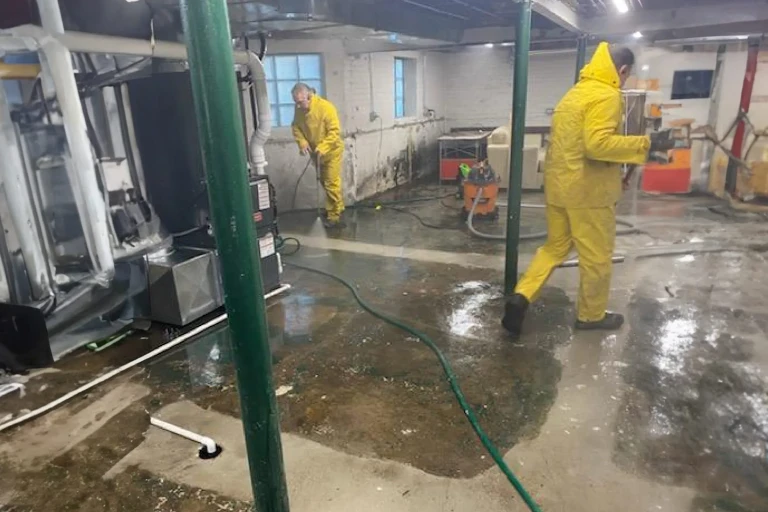
A flooded home is a lot to take in. One minute everything's fine, the next you're standing in water wondering where to even start. We get it, and we've walked into thousands of Chicago homes in exactly that spot. The first thing we tell every owner is the same: don't panic, and don't wait.
Water doesn't sit still. It soaks into drywall, seeps under flooring, and works its way into places you can't see. The longer it stays, the more it costs. That's why our flood cleanup starts with fast water removal, then careful drying, so the damage stops spreading while there's still time to limit it.
Whether it's a flooded basement after a storm, water pushing in from the street, or a sump pump that gave out during heavy rain, we handle the whole job, extraction, drying, debris, and the paperwork your insurance needs.
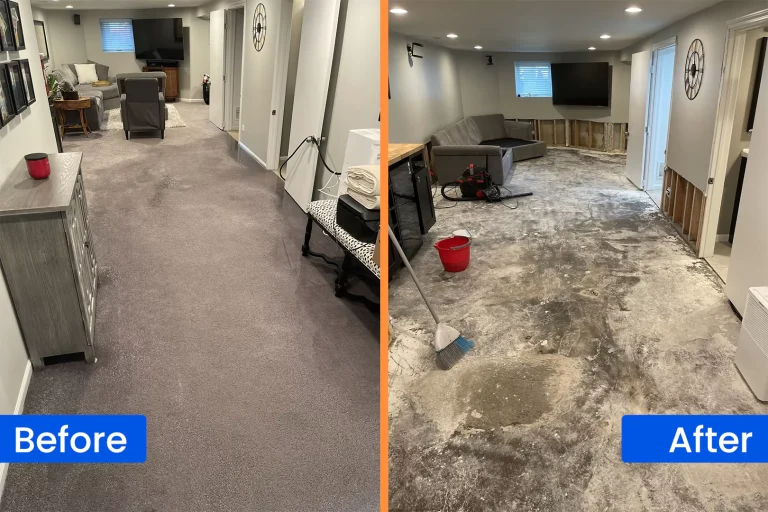
If any of these sound like your home, call right away, waiting only makes the damage worse.
Water pooling on floors, in the basement, or around your foundation needs pumping out fast before it spreads and soaks into the structure.
Damp drywall, warped floors, or a waterline stain means moisture is trapped inside and drying needs to start now.
That heavy, earthy odor after a flood is an early warning that mold is starting. It calls for professional drying and treatment.
A pump that quit during heavy rain often means the basement filled up. Fast extraction limits how far the water travels.
Furniture, carpet, boxes, and drywall soaking in water. We clear what can't be saved and help document losses for your claim.
Cloudy, smelly, or brown flood water can carry bacteria. This needs safe handling and disinfection, not a mop and bucket.
A clear, proven order of work that removes water, dries your home, and gets it ready for repairs. We follow IICRC S500 water damage restoration standards at every step.
We arrive fast, shut off power to flooded areas if needed, and secure the site so the work happens safely for you and our crew.
Truck-mounted pumps and portable extractors pull out standing water quickly, the single most important step to limit damage.
We clear out soaked drywall, carpet, and insulation that can't be saved, using flood cuts to open the wall cavities and dry them properly.
Air movers and dehumidifiers dry the walls, floors, and framing. We use moisture meters and thermal imaging to map moisture daily until readings are back to normal.
Every affected surface is cleaned and treated to kill bacteria and stop mold, so your home is safe to be in again.
We prepare the space for repairs and hand you full photos and reports for insurance, making your claim far easier.
Not all flood water is the same. The type decides how it's handled, and how careful the cleanup has to be.
| Category | Industry Term | What It Is | Common Source | Risk Level |
|---|---|---|---|---|
| Clean Water | Category 1 | Fresh, uncontaminated water | Rainwater, supply line, overflowing sink | Low, but still needs fast drying |
| Gray Water | Category 2 | Slightly dirty water, enough to cause illness | Sump pump failure, toilet overflow without waste | Moderate, needs cleaning & disinfection |
| Black Water | Category 3 | Heavily contaminated, unsafe water | Sewage backup, river flooding, storm surge | High, professional handling required |
Storm and overland floodwater in Chicago can be contaminated depending on the source, and when it is, it falls into the Category 3, black water category, which is why proper protective gear, disinfection, and safe disposal matter so much. It's not a job to take on with a shop vac. Restoration companies and adjusters also use a separate Class 1-4 scale for how deeply water soaked into materials, with Class 4 meaning moisture bound deep in concrete or plaster that needs specialized, longer-term drying, not just fans and a dehumidifier.
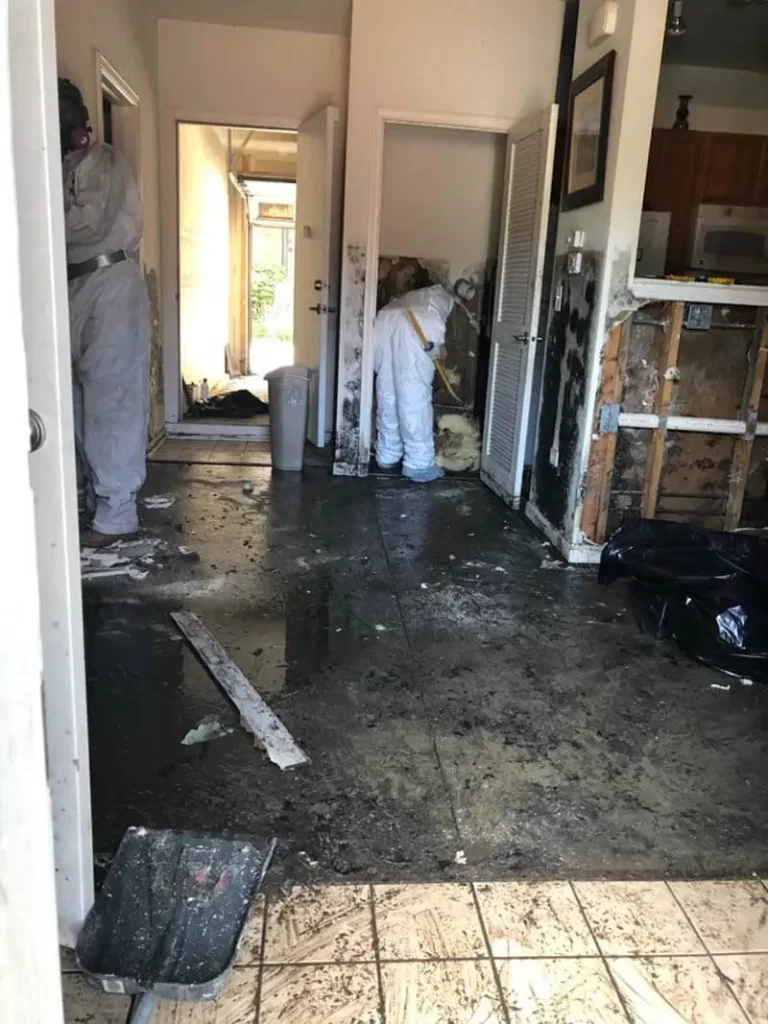
Chicago's older housing stock, heavy summer storms, and aging drainage make some homes far more flood-prone than others. Here's what we see most:
The single cheapest prevention fix: a battery backup for your sump pump. Storms strong enough to flood a basement are often strong enough to knock out power, which is exactly when the pump is needed most. A backup battery keeps it running through the outage.
What Chicago homeowners most want to know when water takes over.
The CleanUP Guys provide 24/7 flood cleanup across Chicago and the nearby suburbs. Family owned and serving Chicago since 1986, we hold a 4.7 star rating across 148 Google reviews. We handle water extraction, structural drying, debris removal, disinfection, and insurance documentation, and we follow IICRC S500 water damage standards. Call (773) 885-8528 any time.
Flood water is often contaminated and soaks deep into walls, subfloors, and framing where you cannot see it. Professionals use truck mounted extraction, industrial dehumidifiers, moisture meters, and thermal imaging to dry the structure fully and stop mold before it spreads. Done wrong, hidden moisture leads to mold and structural damage weeks later.
Flood cleanup is the process of removing standing water, drying out the structure, clearing damaged materials, and disinfecting the property so it's safe to live in again. Done right, it stops mold, protects the foundation, and saves what can be saved, whether the water came from a storm, a sump pump failure, or rising water outside.
Often not. Standard homeowners policies usually cover sudden water damage like a burst pipe, but water that rises from outside, from a river, storm surge, or overland flooding, typically needs separate flood insurance through the NFIP. We document the source and damage carefully so your claim, whichever applies, has what it needs.
We answer 24/7 and are usually on-site within the hour anywhere in Chicago. Fast response matters, the sooner the water is pumped out, the less it soaks into floors and walls and the lower your chance of mold. After heavy storms we run extra crews to reach flooded homes quickly.
We cover Chicago and the suburbs, including Rogers Park, West Ridge, Edgewater, Uptown, Lincoln Park, Andersonville, Lincoln Square, Albany Park, Skokie, Evanston, and Oak Park. Low-lying areas and homes with older sump systems flood most during Chicago's heavy summer storms, and our crews know how to handle them fast.
Most companies won't put numbers on paper. Here's a real range so you know what to expect before you call.
| Scope of Flooding | Typical Cost Range | What's Involved |
|---|---|---|
| Small (one room) | $1,200 to $2,500 | Extraction, drying, basic cleanup |
| Medium (basement or floor) | $2,500 to $5,000 | Water removal, debris, structural drying |
| Large (multi-room) | $5,000 to $8,000+ | Heavy extraction, disposal, full drying |
| Contaminated (black) water | $10,000 to $100,000+ | Full disinfection, safe disposal, extra PPE, structural repair |
| Mold remediation, if it develops | $1,500 to $15,000+ | Roughly $15-$30/sq ft depending on extent |
Extraction alone typically runs $3.75-$7.00 per square foot before drying and repairs are added. Every home is different. We give a free on-site inspection and a written estimate, no surprises, and we work directly with your insurance where it applies. If your basement was hit by major regional flooding, you may also qualify for the City of Chicago Flood Assistance Repair Program at 312-744-3653, and we can help you document the damage for it.
311, a restoration company, insurance, or all three? Here's the honest split.
| Who | What They Handle | Contact |
|---|---|---|
| 311 / Dept. of Water Mgmt. | Public sewer main backups, street flooding, catch basin issues | 311 (or 312-744-5000) |
| Flood cleanup company | Water extraction, structural drying, disinfection, repairs inside your home | (773) 885-8528 |
| City Flood Assistance Repair Program | Repair help for the 2023 Chicago flood (check current eligibility) | 312-744-3653 |
| Your insurance carrier | Claim filing, coverage determination, adjuster inspection | Number on your policy |
Most serious floods need more than one of these at the same time. Reporting to 311 doesn't dry your basement, and calling us doesn't fix a broken public sewer main. We can tell you within minutes which situation you're in.
A realistic timeline so you know what to expect, from the first call to a dry, safe home.
| Severity | What It Involves | Typical Timeline |
|---|---|---|
| Minor | One room, clean water, no structural damage | 3 to 7 days |
| Moderate | Basement or several rooms, drying and some repairs | 2 to 4 weeks |
| Severe | Whole home, contaminated water, structural rebuild | 1 month or longer |
Water extraction is often same day. The biggest delays come from full structural drying, contaminated water that needs extra sanitizing, and waiting on repairs. We map moisture daily so drying stops only when the readings are truly back to normal.
There are actually three separate insurance products, not one, and most homeowners carry only one or two of them without realizing it.
The answer depends on where the water came from. Here's a simple breakdown, and we help either way. A sewer/water-backup endorsement, when carried, typically has its own limit separate from the rest of your policy, often $5,000-$25,000, so check your declarations page for the exact number.
Not sure what your policy covers? That's normal. We document the damage properly, photos, moisture readings, and a full report, so your adjuster has everything they need. Many of our customers get more approved because the paperwork is done right.
One thing homeowners often don't hear until it's too late: filing a water-damage claim, even a covered one, can sometimes affect your renewal or premium down the road. A quick call to your agent is a good idea to ask how a specific claim would be treated before you file, especially for smaller jobs where paying out of pocket might make more sense long-term. We'll always give you our honest read on whether a claim is worth filing, not just push you toward one.
Watch out for "Assignment of Benefits" paperwork. Some contractors ask you to sign a document handing them direct control of your insurance claim before work starts. It can speed things up, but it also means you're no longer the one negotiating with your insurer. Read anything like this closely, or ask us to walk you through it, before you sign it.
📞 Talk to Us About Your ClaimYou have options for flood cleanup. Here's what sets us apart from the big national names.
Family-owned and rooted in Chicago. We're not a call center, you talk to real people who know the city.
Floods don't wait for business hours. Call any time, day or night, and a crew heads your way.
We handle the documentation and work directly with your adjuster, so the claim is far less stress for you.
148 real reviews from Chicago homeowners who've been through it and got their homes back.
Rated 4.7 stars across 148 Google reviews.
"They took care of the water removal in my basement in an emergency. Showed up fast, knew exactly what to do, and kept me updated the whole time. Can't thank them enough."
"After a bad storm flooded our lower level, the CleanUP Guys were out the same day. Professional crew, fair pricing, and they helped us deal with the insurance paperwork too."
"Honest, reliable, and clearly experienced. Sherm and his team treated our home like it was their own. Highly recommend them to anyone dealing with water damage."
Fast response throughout Chicago and the surrounding neighborhoods and suburbs.
The things Chicago homeowners ask us most about flood cleanup.
Cut power to flooded areas if you can reach the panel safely, and keep everyone away from standing water; don't wade through anything deep or dirty. Photograph the damage, then call a flood cleanup company so extraction and drying can start fast. For small, clean water spills you can sometimes wet-vac and fan-dry it yourself within a day; anything larger, contaminated, or left standing overnight is safer left to a professional.
Restoration costs vary widely based on the water source, contamination level, affected square footage, materials, drying requirements, demolition, and repairs needed. Small single-room clean-water jobs cost far less than a whole basement with contaminated water and debris removal. We inspect the damage first and give a written estimate before any work starts.
It depends on the cause. Standard homeowners policies generally cover sudden accidental damage like a burst pipe or sump pump failure. A sewer backup usually needs a separate water-backup endorsement, and water rising from outside (rivers, storm surge, overland flooding) typically needs separate flood insurance through the NFIP rather than a standard homeowners policy. We document the cause to support whichever claim applies.
It is a separate insurance endorsement, distinct from both standard homeowners coverage and flood insurance, that covers water entering through a sump pump failure or sewer backup. Insurance agents sometimes call it the forgotten policy because most homeowners do not realize they need it until a claim gets denied. Check your declarations page or ask your agent if you carry it.
Water extraction usually happens the same day you call. Structural drying with air movers and dehumidifiers typically takes about three to five days depending on how much got wet and the water category; we map moisture daily and only stop once readings are back to normal. Sewage cleanup, mold, or major repairs can extend the timeline further.
A few inches of clean water can sometimes be managed with a wet vac, fans, and a dehumidifier if you dry it within about 24 hours. Anything deeper, contaminated with sewage, or left standing longer needs professional extraction, since DIY equipment can't reach moisture trapped in the subfloor and framing. Professional basement remediation commonly runs a few thousand dollars depending on severity, which is a real factor to weigh against the risk of incomplete drying leading to mold later.
In most rental situations, yes, for the structure and any pre-existing conditions like a failed sump pump or poor drainage the landlord knew about. Tenants are typically responsible for their own belongings unless renters insurance is in play. Illinois landlord-tenant law and your specific lease both matter here, so document the damage and contact your landlord in writing right away.
Assignment of Benefits is paperwork some contractors ask you to sign that hands them direct control over your insurance claim. It can speed up payment, but it also means you're no longer the one negotiating with your insurer. Read it carefully or ask your restoration company to walk you through it before signing.
Claim timing varies by insurer, claim complexity, and how quickly documentation is provided; some claims resolve in a few weeks, others take longer. Because you generally can't safely wait for a claim to fully settle before drying out a flooded basement, most homeowners begin remediation right away and document everything for reimbursement.
NFIP flood insurance premiums in Illinois typically range from a few hundred to a couple thousand dollars a year depending on your flood zone, home elevation, and coverage amount. Homes outside a mapped flood zone usually pay less. Check with your insurance agent or FEMA's Flood Map Service Center for a quote specific to your address.
A sump pump with a battery backup is the biggest single factor, since storms that flood basements often knock out power at the same time. Beyond that, keep gutters and downspouts clear and directed away from the foundation, and seal any visible foundation cracks before they become entry points.
It depends on the water and how long it sat. Drywall soaked briefly by clean water can sometimes be dried and saved, but drywall exposed to contaminated water or wet more than a day or two usually needs to be cut out and replaced. Hardwood floors have a good chance if drying starts fast, using specialized drying mats; floors left wet too long tend to cup, warp, or buckle. Signs that damage is still hidden behind walls include a musty smell, bubbling paint, and spreading stains; a moisture meter is the most reliable way to check.
It depends on how much of the home is affected and whether the water was contaminated. Small clean water jobs often let you stay in unaffected rooms. Larger floods, sewage water, or heavy mold risk usually mean it's safer to stay elsewhere until the space is dried and cleared. We'll tell you what's safe for your specific situation.
The longer water sits, the deeper it soaks and the more it damages. Mold can begin growing within 24 to 48 hours in the right conditions, wood can warp, and drywall can break down, so a delay usually means a bigger, costlier job. Standing water can also be contaminated and can hide electrical hazards, which is another reason to get it addressed quickly.
Sherman has personally worked flood, sewage, and mold jobs across Chicago and the suburbs since 1986. Our team follows ANSI/IICRC S500 water damage restoration standards on every job. This page is reviewed and kept current so the guidance here matches what we actually do on site.
We answer 24/7 and offer same-day flood cleanup across Chicago. Free on-site inspection and a written estimate.
Every hour of standing water means more damage and more cost. Call now and our crew will be on the way, backed by Chicago flood cleanup experience since 1986.
📞 Call (773) 885-8528 NowChat with us