
Mold Removal in Chicago, IL
We find the moisture feeding the mold, seal off the area, remove it safely with HEPA filtration, and treat the surfaces so it does not return. Family owned since 1986, with free inspections across Chicago and the North Shore suburbs.
Mold removal and remediation for Chicago homes
Mold is not just a stain on a wall. It spreads through the air you breathe, feeds on drywall and framing, and keeps growing as long as moisture is present. In Chicago, humid summers, cold-weather condensation, and older basements make it one of the most common problems we handle, which is why professional mold removal in Chicago is rarely a simple wipe-down job. Because standing water is the fastest way mold takes hold, we also handle flood cleanup in Chicago when water is the cause.
The CleanUP Guys have handled mold removal in Chicago homes and businesses since 1986. Our IICRC Certified (#94208) crew follows containment and HEPA filtration standards, finds the water source behind the growth, and documents everything for your insurance. Whether you searched for mold removal, mold remediation, or mold cleaning services near you, this is the same crew that shows up. Free inspection, honest estimate, no pressure. Call (773) 885-8528.
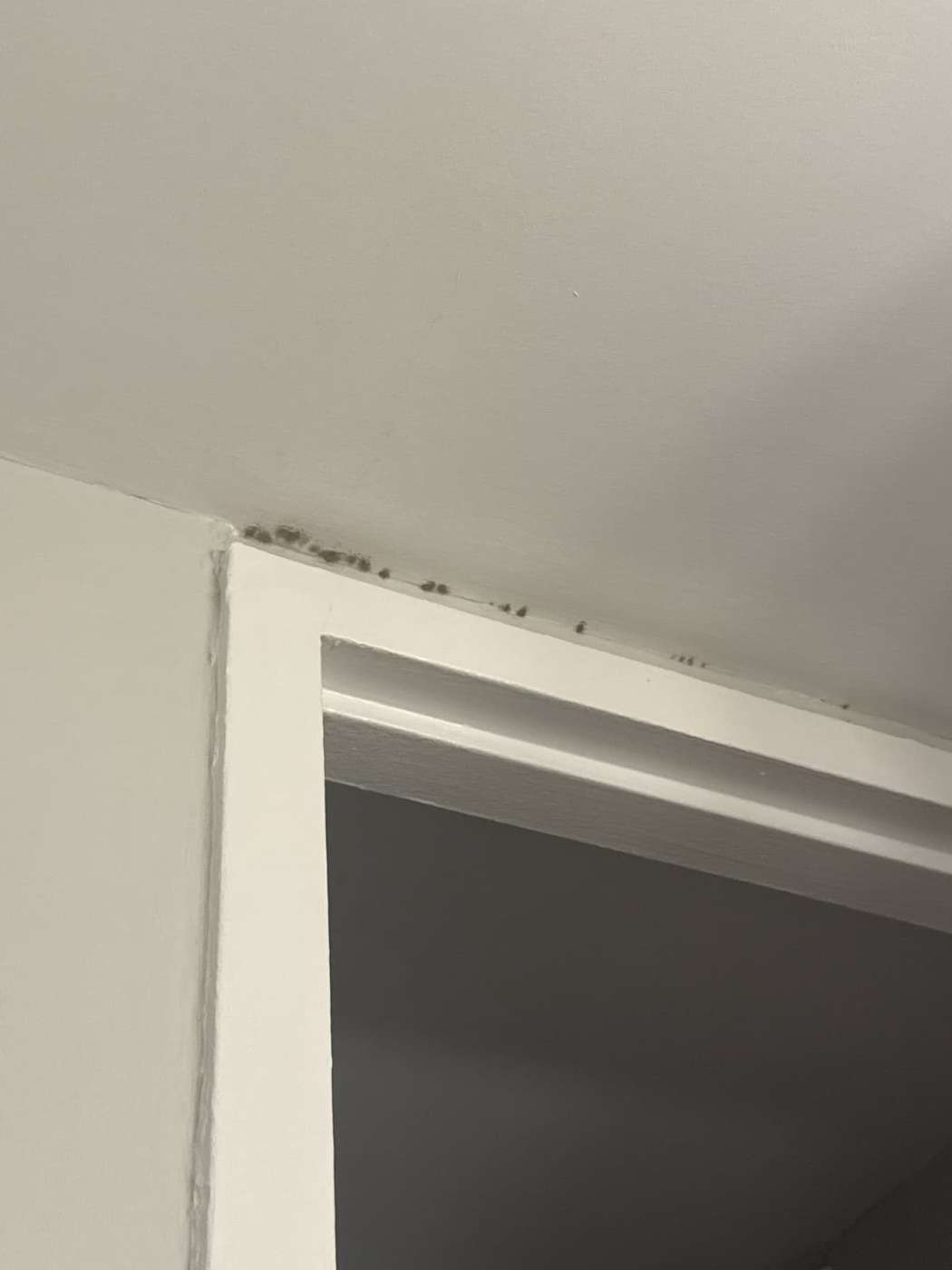
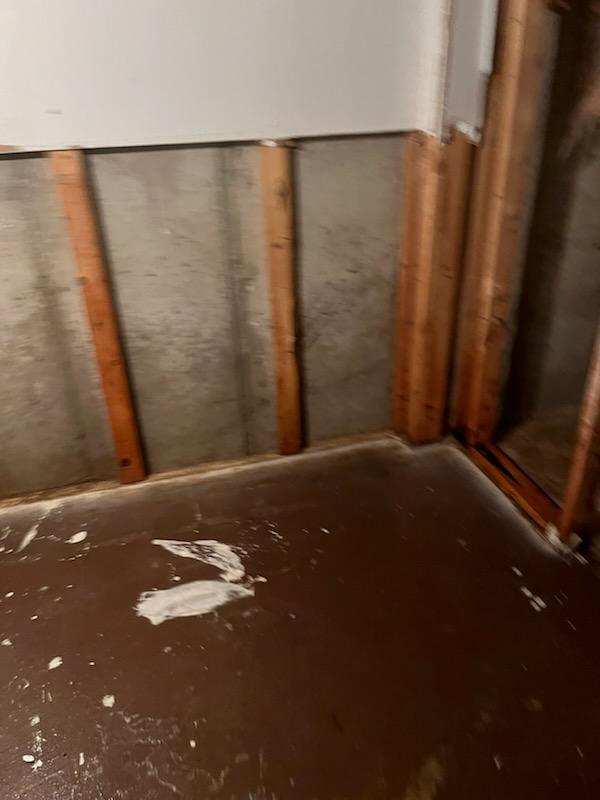
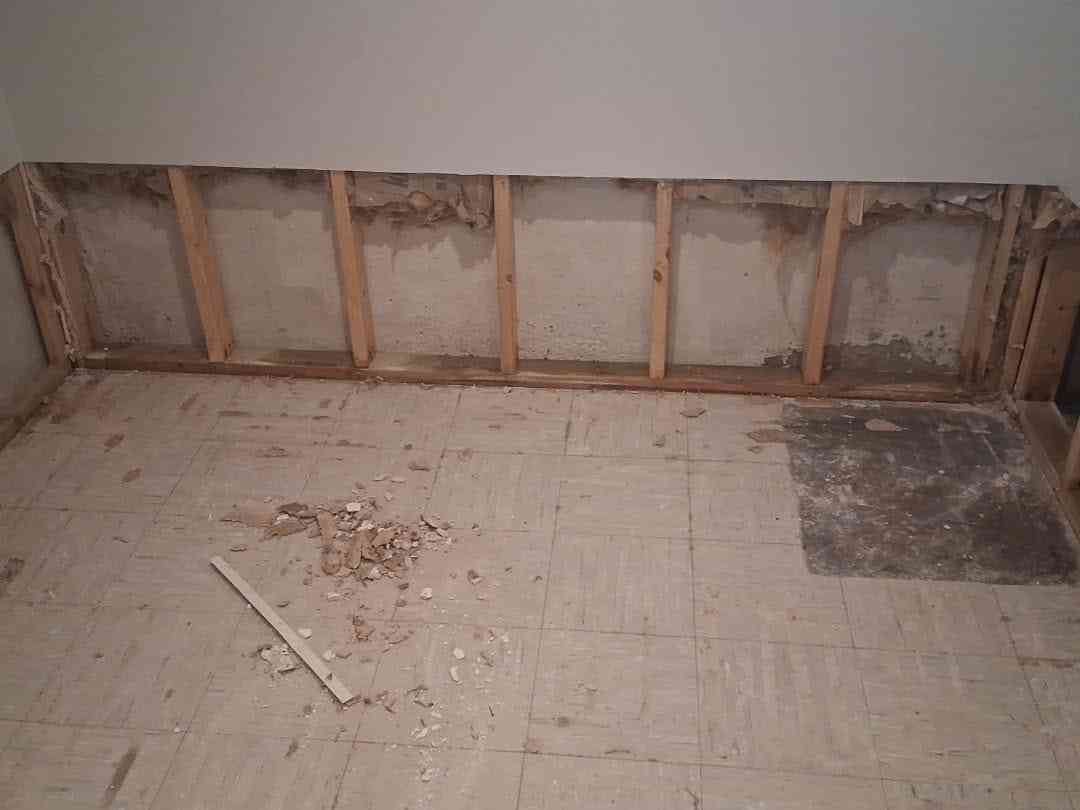
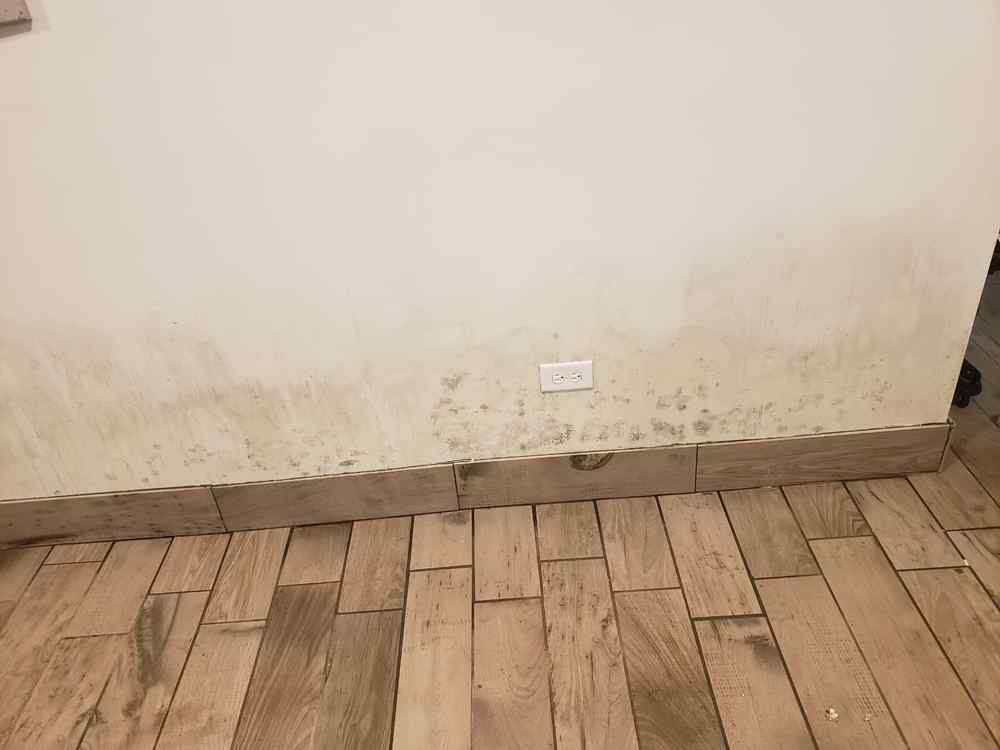
Mold we have removed in Chicago basements
Actual mold removal jobs handled by our crew across Chicago homes.
How professional mold remediation works
A contained, documented process that removes the mold and the reason it grew.
Free Inspection
We locate visible and hidden mold using moisture meters and thermal imaging, then trace the water source behind it.
Containment
We seal the work area with barriers and negative air pressure so spores cannot travel to clean rooms.
HEPA Air Filtration
HEPA air scrubbers run throughout the job, capturing airborne spores and cleaning the air as we work.
Removal
We remove mold and any porous material too damaged to save, then HEPA vacuum and wipe every surface.
Fix the Moisture
We correct the leak, dampness, or ventilation problem so the mold has nothing to feed on.
Treat & Restore
We apply antimicrobial treatment, dry the area fully, and rebuild what was removed.
Is black mold dangerous?
What mold exposure actually does, and who is most at risk.
Breathing Problems
Spores can trigger asthma attacks and make breathing harder, especially for children.
Allergy Symptoms
Sneezing, runny nose, itchy eyes, and skin irritation that ease when you leave the house.
Headaches & Fatigue
Long exposure in a moldy home often shows up as headaches and a run down feeling.
Structural Damage
Mold eats drywall, wood, and insulation, weakening the materials that hold your home together.
The US EPA mold guide recommends drying damp areas within 24 to 48 hours as the best defense against mold. If growth has already started, call (773) 885-8528 for a free inspection.
How fast does mold grow after water damage?
That short window is the reason we treat water damage and mold as the same emergency. If your home had a leak, a backed up drain, or a flooded basement in the last few days, an inspection now costs far less than remediation later.
Common types of household mold
Not all mold is the same. These are the types we find most in Chicago homes.
| Type | Where It Grows | What to Know |
|---|---|---|
| Stachybotrys known as black mold | Damp drywall and wood after long leaks | The one people worry about most. Needs contained, professional removal. |
| Aspergillus | Walls, insulation, HVAC systems | Very common indoors. Often behind allergy and breathing complaints. |
| Cladosporium | Fabrics, carpet, damp wood | Grows in both warm and cool spots. A frequent allergy trigger. |
| Penicillium | Water damaged materials, basements | Spreads quickly and produces that classic musty smell. |
You do not need to identify these yourself. We inspect, identify, and remove them safely.
What causes mold in Chicago homes
Chicago's climate and housing stock create ideal conditions for mold. These are the causes we see most.
- Water damage that was never dried. Any leak or flood left damp becomes a mold source, usually inside the wall where you cannot see it.
- Damp basements. Chicago basements sit below grade and trap moisture, which is why basement mold is the most common call we get.
- Mold in air vents and HVAC. Condensation inside ductwork feeds growth that then spreads spores to every room. If the musty smell gets stronger when the system runs, the ducts are worth inspecting.
- Humid summers and winter condensation. Chicago swings between humid heat and cold windows, and both leave surfaces wet enough for spores to settle.
- Poor ventilation. Bathrooms and kitchens without working exhaust fans hold humidity that mold thrives in.
Mold cleaning, removal, and remediation — what is the difference?
When Chicago homeowners search for mold cleaning services near me, most really need full remediation, not just a wipe-down. We come out, find the water source, and tell you honestly which one your home needs. If a quick surface clean is all it takes, we will say so. If the growth runs deeper, we contain the area first so spores do not spread while we work.
We cover mold cleanup across the city and nearby suburbs, so a search for mold removal near me on the North Side, downtown Chicago, in Evanston, or out in Oak Park reaches the same local crew that has worked Chicago basements since 1986.
What mold removal costs in Chicago
A realistic range so you know what to expect before any work begins.
| Type of Job | Typical Cost |
|---|---|
| Small contained area, one room | $500 – $1,500 |
| Average remediation, basement or bathroom | $1,500 – $3,500 |
| Whole room or HVAC and duct mold | $3,500 – $6,000 |
| Widespread growth with rebuild | $6,000+ |
How to prevent mold in your home
Once the mold is gone, these steps keep it from coming back.
- Dry any water within 24 to 48 hours. This single habit prevents most mold problems before they start.
- Keep indoor humidity between 30 and 50 percent. A basement dehumidifier is the cheapest mold insurance you can buy in Chicago.
- Run bathroom and kitchen exhaust fans. Vent them outside, never into the attic.
- Fix small leaks immediately. A slow drip under a sink is how most hidden mold begins.
- Service your HVAC and change filters. Clean ducts and dry coils stop spores from circulating through the house.
What our clients say
Verified reviews from Chicago homeowners.
"The CleanUP Guys showed up the next day and did a fantastic job with the basement cleaning and mold remediation. The basement just smells better. Friendly, family, down to earth workers that gave us a great price and excellent service."
"Sherm and his crew came out fast and got our basement clean, dry, and mold free. They exceeded the scope of their job and helped us in our time of need. Could not recommend them more."
"The Clean Up Guys were timely, professional and very easy to work with. They finished the job quickly and as promised at a very reasonable price. We would definitely use this company again."
Mold removal across Chicago and the suburbs
We cover the city and the surrounding North Shore and West suburbs.
Mold removal questions Chicago asks
Direct answers to what homeowners search most.
What is the difference between mold removal and mold remediation?
Mold removal means physically taking away the mold you can see. Remediation is the complete process: containing the area, filtering the air, removing contaminated material, treating surfaces, and fixing the moisture source so it does not return. Remediation is what actually solves the problem, and it is what we do.
How much does mold removal cost in Chicago?
Most mold jobs in Chicago run between $1,500 and $3,500. A small contained area can start near $500, while widespread growth or HVAC mold can reach $6,000 or more. We inspect free and give you a written estimate before any work starts.
Is black mold dangerous?
Yes, it can affect your health. Mold spores may cause coughing, sneezing, headaches, skin and eye irritation, and asthma attacks. Children, older adults, and anyone with allergies or a weakened immune system are most at risk. It should be removed under containment, not scrubbed.
How fast does mold grow after water damage?
Mold can start within 24 to 48 hours on wet materials. Damp drywall, carpet padding, and framing hold enough moisture for spores to take hold. This is why any leak or flood should be dried immediately, and why we treat mold calls as urgent.
Why does mold keep coming back after cleaning?
Because the moisture source is still there. Wiping or bleaching the surface removes what you can see, but the roots stay in porous material and the dampness keeps feeding them. Remediation fixes the leak, humidity, or ventilation problem so the growth has nothing to live on.
When should I call a professional instead of cleaning it myself?
Call a professional if the area is larger than about ten square feet, if mold is inside walls, ductwork, or HVAC, if anyone in the home has asthma or allergies, or if the mold followed water damage. Small surface spots on tile can often be cleaned safely by hand.
Where does mold usually hide in a Chicago home?
Most often in the basement, behind bathroom walls, under kitchen sinks, around windows with heavy condensation, and inside HVAC ducts. If you smell a musty odor but see nothing, the growth is usually behind drywall or inside the ventilation system.
Who should handle mold in a rental or condo building?
Responsibility depends on the source and the lease or association rules, but the safe move is to document everything with photos and report it in writing right away. We provide a written inspection report that owners, tenants, and associations can use to settle who covers the work.
Does insurance cover mold removal?
Often yes, when the mold follows a sudden covered event such as a burst pipe or an appliance failure. Mold from long term humidity or a slow leak is usually excluded. We document the cause, photograph everything, and work with your adjuster to support the claim.
Can I remove mold myself with bleach?
Bleach is not the right tool for most mold. It whitens the surface but leaves the roots in porous materials like drywall and wood, and scrubbing releases spores into the air. Proper remediation contains the area first, uses HEPA filtration, and treats with antimicrobial products.
What happens if mold is left untreated?
It keeps spreading. Spores travel through the air and settle in new damp spots, health symptoms get worse for anyone sensitive, and the mold slowly eats through drywall, insulation, and framing. What starts as a small basement patch becomes a structural repair.
Do you offer free mold inspections in Chicago?
Yes. We inspect the property, use moisture meters and thermal imaging to find hidden growth, identify the water source, and give you a written estimate at no cost. Call 773 885 8528 to book one.
Can black mold be permanently removed?
Yes, black mold can be permanently removed when the moisture source is fixed. Remediation takes out the growth and the material it fed on, treats the surfaces, and dries the area. If the dampness that caused it is corrected, the black mold does not come back in that spot.
Should black mold be professionally removed?
Black mold larger than about ten square feet, or any growth inside walls, ducts, or HVAC, should be handled professionally. Disturbing it releases spores through the home, so it needs containment and HEPA filtration. Small surface spots on hard, non-porous tile can sometimes be cleaned safely by hand.
Is it possible to fully remove mold from a house?
You cannot remove every mold spore from the air, since spores exist naturally everywhere. What you can fully remove is active mold growth. By taking out the colony, treating the area, and controlling moisture and humidity, the mold has nothing to grow on and the home returns to safe, normal spore levels.
Sherman has led The CleanUP Guys since 1986 and has personally worked mold, water, and sewage jobs across Chicago for 40 years. Our crew is IICRC Certified (#94208) and follows containment and HEPA filtration standards on every remediation. This page is reviewed and kept current by our team so the guidance here matches what we actually do on site.
Think you have mold? Let us check.
Free inspection across Chicago and the suburbs. We find the source, give you a written estimate, and handle the insurance paperwork.
Do Not Let Mold Take Over Your Home.
The sooner mold is handled, the safer and cheaper it is. Free inspection, honest estimate, and a crew Chicago has trusted since 1986.
Call (773) 885-8528 Now