
Call 24/7(773) 885-8528
A stained or sagging ceiling is your home warning you fast. Here is exactly what to look for, how the repair works, what it costs in Chicago, and when to stop and call a pro. Family-owned crew, 40 years, here day and night.
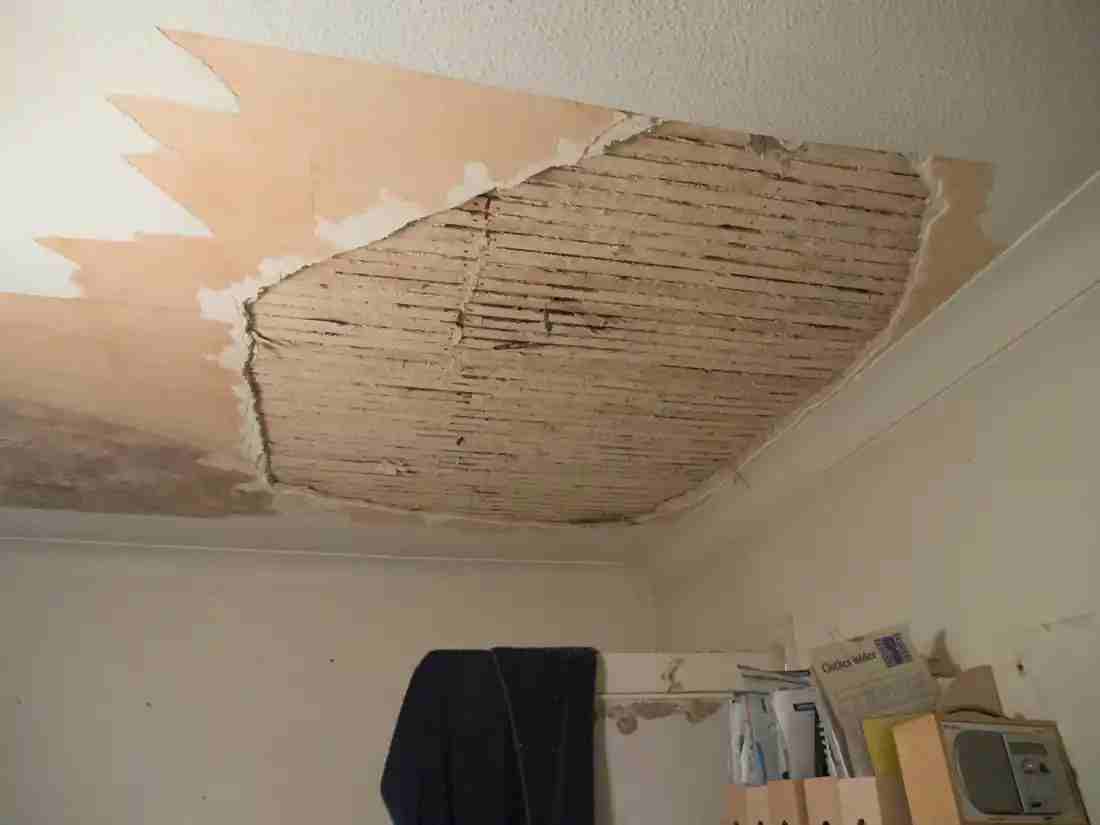
It almost never starts big. It begins as a faint yellow ring, a soft spot, or a bubble of paint you walk past for a week. By the time the ceiling sags or drips, water has already been sitting inside the drywall, insulation, and framing, and that is where mold and structural rot take hold.
This guide walks Chicago homeowners through the whole picture: how to spot the damage early, what causes it in local homes, how the repair works step by step, what it costs, and the point where doing it yourself stops being safe. It is the same guidance our crew gives callers every day, backed by four decades of water damage restoration work across the city.
📞 Talk to Our Team Now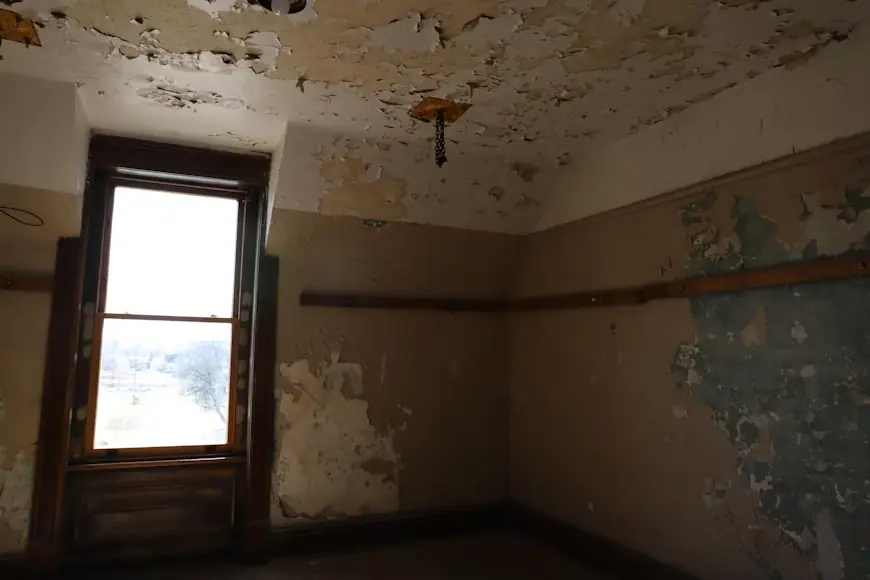
Catching these early is the difference between a paint job and a full drywall replacement. Watch for any of these six.
Yellow, brown, or rust-colored rings are usually the first sign. The edges tell you how far the water has traveled.
When paint blisters or wallpaper lifts, moisture is trapped underneath. The surface may still feel dry to the touch.
A drooping ceiling means drywall is holding water. This is a warning that it can give way, so keep people out from under it.
A damp, earthy odor with no visible cause often means water and mold are growing where you cannot see, above the ceiling.
Active dripping or a patch that feels cool and damp is an emergency. Put a bucket down and find the source fast.
Black, green, or gray spotting means mold has taken hold. This is a health issue, not just a cosmetic one.

Fixing the ceiling without fixing the source just means you will be doing it again in a few months. Here are the causes we see most in Chicago homes.
The U.S. Environmental Protection Agency notes that mold can begin growing on damp materials within 24 to 48 hours, which is why fast drying matters more than the cosmetic fix. (EPA mold guidance)
Here is the exact process, the same order our crews follow on a job. Do not skip the drying step, it is where most DIY repairs fail.
Find and fix the leak first, whether it is a pipe, roof, or upstairs fixture. Poke a small hole in a bulge to drain trapped water safely into a bucket, and shut off power nearby if wiring is wet.
Check whether the drywall is still firm or soft and sagging. Use a flashlight and, if you have one, a moisture meter to find how far the water has spread beyond the visible stain.
Cut out soft, sagging, or moldy drywall back to the nearest joists, slightly past the visible damage. Wear gloves, goggles, and a mask, and bag debris to contain any mold.
Run fans and a dehumidifier until the area is fully dry, and confirm with a moisture meter. Any moisture left behind will bring mold back within days, so this step is not optional.
If mold is present, apply an EPA-approved treatment, clean thoroughly, and seal the area with a mold-resistant primer. Widespread mold is a job for professionals with proper containment.
Fit new drywall, tape and mud the seams, sand smooth, then apply a stain-blocking primer and matching ceiling paint. A stain-blocker keeps old yellow rings from bleeding back through.
If you are tackling a minor repair yourself, here is the short list. Anything beyond a small stain is usually faster and safer with a pro.
| For Drying & Safety | For the Repair |
|---|---|
| Gloves, goggles, and a dust mask | Replacement drywall or plaster |
| Fans and a dehumidifier | Joint compound and drywall tape |
| Moisture meter | Utility knife or drywall saw |
| Mold treatment solution | Sanding block and putty knife |
| Buckets and drop cloths | Stain-blocking primer and ceiling paint |
A brown or yellow water stain is the most common early warning homeowners notice, and it is easy to underestimate. The stain itself is only the surface mark. Behind it, the drywall, the paper facing, and often the insulation above have absorbed water that may still be present days later.
A single, dry, well-defined stain from a leak that has already been fixed is usually a cosmetic repair. A stain that is growing, darkening, feels damp, or comes with a musty smell means water is still active and the problem is larger than the mark you can see. When the moisture reaches this point it often becomes a job for professional water mitigation and drying, not a weekend patch.
Before anyone arrives, these few steps protect your home and your safety. Do what you safely can, and leave the rest to us.
If you can find the source safely, shut off the water supply or clear the blockage. For a bulging ceiling, a small hole in the center drains trapped water into a bucket and prevents a wider collapse.
If water is near a light fixture or wiring, switch off the breaker for that room. Water and electricity together are a serious hazard, so treat this as the priority.
Move furniture, rugs, and valuables out of the way and lay down buckets or towels. The faster you clear the area, the less secondary damage there is to deal with.
Mold can start within 24 to 48 hours, so proper drying cannot wait. Call a restoration crew to dry the structure fully before the repair, not just wipe the surface.
A saturated ceiling can hold a surprising amount of water, and a section that gives way can injure someone below. Treat these as urgent and keep people and pets out of the room:
If you see these, do not try to patch it yourself. Draining a bulge safely, checking the framing, and confirming the ceiling is structurally sound is work for a trained crew. Call us any time at 773 885 8528.
Much of Chicago's housing stock, the bungalows, two-flats, and greystones, was built with plaster ceilings, and they behave differently from modern drywall when they get wet.
Found in most pre-1950s Chicago homes. Plaster holds water longer, can crack in wide webs, and may pull away from the wood lath behind it. Wet plaster is heavy and prone to sudden failure, so it usually needs professional assessment rather than a surface patch.
Standard in newer builds and remodels. Drywall shows damage faster, softens and sags sooner, and is simpler to cut out and replace in sections. The trade-off is that it fails quickly once saturated, so drying speed matters.
Knowing which you have changes the repair. A crew that works on Chicago's older homes every week will spot the difference and protect the original plaster where it can be saved.
Some ceiling repairs are safe to DIY. Others are a call, not a project. Here is how to tell, and who to call in Chicago.
In Chicago, homeowners call The CleanUP Guys for ceiling water damage because we do the whole job under one roof: find the source, dry it out, remove and treat mold, and rebuild the ceiling back to how it looked. One crew, no handing you off between a plumber, a mold company, and a painter.
Most ceiling damage we see was preventable. A little maintenance each season saves a very expensive repair later.
Check shingles, flashing, and gutters twice a year. Keep gutters clear so water flows away from the house.
Look under sinks and around fixtures for slow drips. Fix small leaks before they become a ceiling problem.
Run exhaust fans in bathrooms and kitchens. Good airflow stops the condensation that soaks into ceilings.
Proper attic insulation prevents the ice dams that push water under your roof during Chicago winters.
Cheap water sensors near appliances and under sinks catch leaks early, before they reach the ceiling below.
A faint stain or a soft spot is your window to act cheaply. Do not wait for it to sag or drip.
Every ceiling is different, but here are honest ballpark ranges so you know what to expect before anyone quotes you.
| Type of Damage | Typical Chicago Range | What It Covers |
|---|---|---|
| Minor stain | $150 – $500 | Clean, prime with a stain-blocker, and repaint a small area |
| Moderate drywall repair | $500 – $1,500 | Cut out and replace a section, tape, mud, sand, and repaint |
| Major damage | $1,500 – $4,000+ | Large area or full ceiling, drying, framing repair, and rebuild |
| With mold remediation | +$500 – $2,000 | Containment, mold removal, and treatment on top of the repair |
Insurance often covers ceiling water damage when the cause is sudden and accidental, like a burst pipe. We document everything and can work directly with your adjuster to make the claim easier.
Forty years fixing Chicago ceilings, and the same family answering the phone the whole time.
A real person answers day or night. When your ceiling is dripping, you are not waiting until morning.
Source, drying, mold, and rebuild all handled by us. No juggling three different contractors.
A 4.7-star rating from Chicago neighbors, built one honest job at a time since 1986.
We document the damage and work with your adjuster so the claim is one less thing to worry about.
A few of the Chicago homeowners we have helped after ceiling and water damage.
"Our upstairs pipe let go and the living room ceiling was sagging by morning. They came out fast, found the leak, dried everything, and the ceiling looks brand new. Could not have asked for more."
"After a bad storm we had water stains spreading across the bedroom ceiling. Sherman's crew handled the whole thing, even the insurance paperwork. Professional and honest the whole way."
"They found mold above the ceiling we did not even know about and took care of it properly. So glad we called a real restoration company instead of just painting over it."
We are a local crew that knows this city's older homes, its plaster ceilings, and its brutal winters. When a ceiling starts leaking, we respond fast across the North Side and the nearby suburbs, day or night.
From Rogers Park and West Ridge down through Edgewater, Lincoln Square, and Lakeview, these neighborhoods are full of vintage bungalows, two-flats, and courtyard buildings with plaster ceilings that need careful handling when they get wet. Bucktown, Logan Square, Irving Park, and Edison Park round out the areas we reach quickly.
We also serve Evanston, Oak Park, and Skokie, where older housing stock faces the same ice dam and frozen pipe problems every Chicago winter. Wherever you are, one local crew handles the leak, the drying, the mold, and the rebuild, so your ceiling is put right the first time.
The questions Chicago homeowners ask us most about water-damaged ceilings.
Yes. Almost every water-damaged ceiling can be repaired once the leak is stopped and the area is fully dry. Minor stains just need priming and repainting, while soft or sagging drywall needs to be cut out and replaced. The key is fixing the source first, otherwise the damage comes right back.
A minor stain repair usually runs $150 to $500. A moderate drywall repair is around $500 to $1,500, and major damage or a full ceiling can be $1,500 to $4,000 or more. If mold is involved, add $500 to $2,000 for proper remediation. Insurance often covers sudden, accidental causes like a burst pipe.
Only if the drywall is completely dry, firm, and mold-free, and you use a stain-blocking primer first. Painting over a damp or stained ceiling without a stain-blocker means the yellow rings will bleed back through, and painting over trapped moisture just hides a growing mold problem.
With fans and a dehumidifier, a lightly damaged ceiling can dry in two to four days. Heavier saturation inside drywall and insulation can take a week or more. Never start repairs until a moisture meter confirms it is dry, since sealing in moisture leads to mold and repeat damage.
It can be. A sagging, saturated ceiling can collapse, water near light fixtures is an electrical hazard, and mold that grows above the ceiling affects the air you breathe. Small, dry stains are mostly cosmetic, but anything sagging, spreading, or moldy should be treated as urgent.
No. A stain means water has already passed through, and it will not fade or dry away on its own. Even if the surface feels dry, moisture may still be trapped above it. The stain is a signal to find the source and check what is happening behind the drywall.
Usually, yes, when the cause is sudden and accidental, such as a burst pipe or a storm-damaged roof. Gradual damage from a long-ignored leak or poor maintenance is often not covered. We document the damage thoroughly and work with your adjuster to give your claim the best chance.
Licensed water damage restoration companies repair ceiling leaks in Chicago, and they handle far more than a painter would. The CleanUP Guys find the leak source, dry the structure, treat any mold, and rebuild the ceiling in drywall or plaster. We are family-owned, follow IICRC S500 standards, and available 24/7 at 773 885 8528.
Yes. Chicago winters are one of the biggest causes of ceiling leaks. Snow that melts and refreezes forms ice dams at the roof edge, and frozen pipes can crack and leak once they thaw. Both push water into the ceiling, often showing up as a stain days after the cold snap.
An ice dam is a ridge of ice that forms at the edge of a roof when melting snow refreezes. It traps water behind it, and that water backs up under the shingles and seeps into the ceiling below. Poor attic insulation and ventilation make ice dams worse, which is why they are so common in older Chicago homes.
Yes. A saturated ceiling holds a heavy load of water and can give way without much warning, especially older plaster ceilings. If you see sagging, a heavy bulge, spreading cracks, or a soft, spongy area, keep everyone out of the room and call a professional right away.
Stop the water at its source if you safely can, move furniture and valuables out of the way, and place a bucket under any drip. Shut off power to the room if water is near a light or wiring. Then call a restoration company to dry the area properly before mold sets in, usually within 24 to 48 hours.
We serve Rogers Park, West Ridge, Lincoln Square, Lakeview, Edgewater, Edison Park, Irving Park, Bucktown, and Logan Square on Chicago's North Side, along with the nearby suburbs of Evanston, Oak Park, and Skokie. We respond day or night.
Water mitigation is the emergency step that stops the damage from spreading: removing water, drying the structure, and preventing mold. Water restoration is the repair phase that follows: replacing drywall or plaster, repainting, and returning the ceiling to normal. A full ceiling job usually involves both. You can read more on our water mitigation page.
In most cases, yes. A single-room ceiling repair usually lets you stay in the home, with drying equipment running for a few days. If there is widespread damage, heavy mold, or a safety concern, we will tell you honestly whether it is better to stay elsewhere while the work is done.
For most homes, drying takes two to four days, and the repair and repaint add another one to three days once the area is confirmed dry. A minor stain can be handled in a single visit, while a large area with mold or plaster damage takes longer. We give a clear timeline after we inspect, so there are no surprises.
Often, yes. If the plaster is still keyed to the lath behind it and has not fully separated, it can be dried, stabilized, and refinished rather than torn out. Wet plaster is heavy and can fail suddenly, so it should be assessed by someone who works on older Chicago homes before you decide to repair or replace it.
Call a licensed water damage restoration company, not just a painter, because the ceiling stain is usually the smallest part of the problem. The CleanUP Guys handle the whole job: finding the source, drying, mold treatment, and rebuilding. We are family-owned, follow IICRC S500 standards, and available 24/7 at 773 885 8528.
Do not wait for a stain to turn into a collapse. Our Chicago crew is ready 24/7 to find the source, dry it out, and rebuild your ceiling right.
Chicago's family-owned water, mold, and ceiling restoration team since 1986. When your ceiling shows the first sign of trouble, we are here 24/7.
📞 Call 773 885 8528 Now