
Mold vs Mildew: How to Tell the Difference
You found a patch of something in the bathroom or basement, and now you're not sure if it's a quick wipe-down or a real problem. Here's the honest version for your Chicago home.
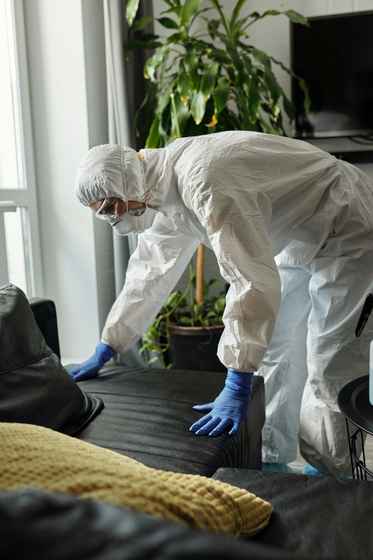
Mold vs mildew comes down to one thing: how deep it grows. Mildew is a flat, powdery surface fungus that stays on top of tile, grout, and fabric and usually looks white, gray, or yellow. Mold roots deep into porous materials like drywall and wood, shows up black, green, blue, or red, and can be fuzzy or slimy. Mildew wipes away with a household cleaner. Mold often needs professional removal.
So the practical mold vs mildew test is simple: is it flat and powdery, or fuzzy and spreading into the surface? That one question tells you whether it's a Saturday cleaning job or a call to a Chicago remediation team.
We're The CleanUP Guys, a family-owned restoration company on North Damen Avenue. In 40 years across Chicago, from Rogers Park two-flats to Lincoln Park brownstones, we've opened up a lot of walls that started with a small stain someone almost ignored. This is the honest version we'd give a neighbor: what's harmless, what isn't, and when it's worth picking up the phone.
The Difference Between Mold and Mildew, at a Glance
Both are fungi, and both need moisture to grow. The difference between mold and mildew shows up in four things you can check yourself: how it looks, how it feels, how it smells, and how hard it is to remove.
→ Swipe to see the Mold column
| What to check | Mildew | Mold |
|---|---|---|
| Appearance | White, gray, or yellow; flat and powdery | Black, green, blue, or red; fuzzy or slimy |
| Texture | Powdery, wipes off the surface | Fuzzy or velvety, embedded in the material |
| Smell | Mild and damp, like wet towels | Strong, earthy, musty, like rotting wood |
| Growth | Stays on the surface | Roots deep into drywall, wood, carpet |
| Health risk | Usually mild allergy symptoms | Can trigger asthma and breathing problems |
| Removal | Household cleaner and a brush | Often needs professional remediation |
What is worse, mold or mildew? Mold is worse. Mildew mostly causes surface stains and mild allergy symptoms, and it cleans up easily. Mold damages the material it grows on, can hide behind walls, and poses a bigger health risk, especially for anyone with asthma or allergies. If you can only worry about one, worry about mold.
Not sure which one you're dealing with?
Send us a photo or book a Chicago mold inspection. We'll tell you straight, no scare tactics.
What Is Mildew? What Is Mold?
Mildew and mold are both fungi. They grow from tiny spores that float through the air indoors and out, waiting for damp conditions to settle on. Give them moisture, an organic food source like wood or dust, and a comfortable temperature, and they spread. The names get used loosely, so here's where they actually differ.
Understanding mildew
Mildew is a specific type of mold that grows flat on a surface instead of digging into it. It has a powdery or downy texture and starts white, gray, or yellowish, though it can darken with age. You'll find it on shower walls, window sills, grout, and fabric, anywhere that stays slick and damp. Its smell is mild, like a towel left wet too long.
Understanding mold
Mold is the broader group. It grows in thread-like filaments called hyphae that push into porous materials and feed on them, which is why mold breaks things down and mildew doesn't. It shows up fuzzy or slimy in black, green, blue, or red, and carries a stronger, musty odor. Because mold roots into drywall, wood, and carpet, what you see on the surface is often a fraction of what's actually there.
Black Mold vs Mildew: The Difference That Matters Most
This is the comparison people worry about, and for good reason. When folks search black mold vs mildew, they're really asking one thing: do I need to be scared? Here's how the two line up on what counts.
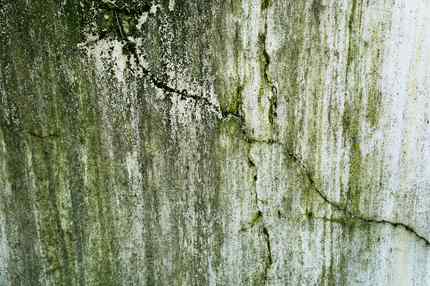
- Appearance: Mildew looks flat, dry, and powdery, usually white or gray. Black mold looks fuzzy, velvety, or slimy, and is dark green, dark brown, or near black.
- Where they grow: Mildew sits on non-porous surfaces like tile, grout, and glass. Black mold grows deep into porous drywall, insulation, and wood, often hiding behind walls or under floors.
- Health risk: Mildew can cause mild allergy symptoms, sneezing, or a scratchy throat. Toxic black mold can release mycotoxins tied to more serious breathing issues, headaches, and fatigue.
- Cleanup: Mildew wipes away with a household cleaner. Surface-cleaning black mold only removes the top layer; large patches need professional remediation to reach the roots.
How do you know if it's black mold or mildew? Dab the spot with a cotton swab and a little rubbing alcohol. If it lightens and wipes off the surface, it's most likely mildew. If it's fuzzy, comes back fast, sits on drywall or wood, and carries a heavy musty smell, treat it as mold and don't disturb it.
A note on "toxic black mold." The term usually points to Stachybotrys chartarum. Not every dark patch is Stachybotrys, and you can't confirm it by eye. Mildew does not turn into toxic black mold either; it stays a surface growth even as it darkens. Any black, spreading growth deserves caution and, if it keeps coming back, a professional test.
How to Tell Mold and Mildew Apart by Sight, Smell, and Surface
You don't need a lab to make a good first call. Three checks get you most of the way.
By appearance and texture
Look at the edge of the patch. Mildew stays flat and even, like a dusting of powder you could smear with a finger. Mold grows in blotchy, irregular colonies with a raised, fuzzy, or slimy texture. If it looks three-dimensional, think mold.
The mildew vs mold smell test
Smell is a surprisingly reliable clue, especially for hidden growth. The mildew vs mold smell difference is real: mildew gives off a mild, damp odor like wet laundry, while mold hits harder with a strong, earthy, musty smell. If a room smells musty but you see nothing, mold may be growing behind a wall or under the floor.
Mold vs mildew on walls, ceilings, and other surfaces
Where it grows tells you a lot. Here's what we see most on Chicago jobs:
- Bathroom and shower: Powdery growth in grout lines and on caulk is almost always mildew. Dark spots creeping out from behind the tile can be mold.
- Walls and drywall: Fuzzy or staining growth on drywall usually means mold, because drywall is porous and holds moisture.
- Ceilings: A spreading spot on a ceiling often points to a roof or pipe leak above it, and that dampness feeds mold.
- Wood and window frames: Wood soaks up water, so growth on wood trim or sills leans toward mold.
- Clothes and fabric: Damp fabric usually grows mildew first, which is why closets and basements need airflow.
Why Mold and Mildew Are So Common in Chicago Homes
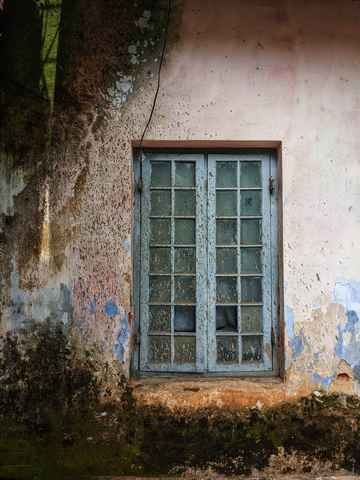
Does Chicago have a mold problem? Yes, more than most cities. Our humid summers, freeze-and-thaw winters, and older housing stock make a perfect setup for mold and mildew. Many North Side homes were built before modern moisture barriers, and their basements and crawl spaces stay damp long after the rain stops.
A few Chicago realities we run into again and again:
- Old basements and foundations: Century-old brick and stone wick in groundwater, and finished basements trap it against drywall.
- Winter condensation: Warm indoor air hits cold single-pane windows and exterior walls, and the moisture that forms feeds window-sill mildew.
- Humid summers: Indoor humidity above 60% is enough for growth, and closed-up, air-conditioned rooms still hold damp corners.
- Lake-effect storms: Heavy rain and backed-up sewers push water into lower levels, and mold can start within 24 to 48 hours.
We work across the North Side and beyond, including Rogers Park, Edgewater, Andersonville, Lincoln Park, Lakeview, Uptown, and the western suburbs. Chicago basements are their own challenge, and after four decades here we know where the water hides.
Health Risks of Mold and Mildew
Both mold and mildew can affect your health, but the honest picture is more measured than some of what you'll read online. Allergy and asthma effects are well established. Broader claims about "toxic mold illness" are still debated among researchers.
Mold exposure can cause a stuffy nose, coughing, wheezing, a sore throat, itchy eyes, or a skin rash. People with asthma or a mold allergy can react more strongly, and the CDC and the Illinois Department of Public Health link indoor dampness and mold to worsened asthma and upper-respiratory symptoms. Mildew's effects are usually milder and fade once it's cleaned up.
Is mildew toxic to humans? For most healthy people, mildew is not toxic. It can trigger mild allergy-type symptoms like sneezing, a runny nose, and itchy eyes, and those usually clear once the mildew is removed and the area stays dry. People with asthma, allergies, or weakened immune systems may react more, so it's still worth cleaning promptly.
Can I stay in my house with black mold? A small, contained patch usually isn't an emergency, but widespread black mold, a strong musty smell, or new breathing symptoms are reasons to limit time in the area and get it assessed. If anyone in the home has asthma or a weakened immune system, be more cautious and have it checked sooner rather than later.
How to Prevent and Clean Mold and Mildew
The best defense is moisture control. Keep things dry and you starve both fungi before they start.
Prevention that actually works
- Keep indoor humidity below 50% with a dehumidifier, especially in basements and crawl spaces.
- Run bathroom and kitchen exhaust fans during and after showering or cooking.
- Dry any spill or leak within 24 to 48 hours, the window before mold takes hold.
- Fix leaky roofs, windows, and pipes as soon as you spot them.
- Slope soil away from the foundation and keep gutters clear, which matters a lot for Chicago basements.
- Skip carpet in basements and bathrooms, where it traps damp.
Safely cleaning small mildew and mold yourself
The EPA says you can usually handle a moldy area smaller than about 10 square feet, roughly a 3-foot by 3-foot patch, on your own. Anything bigger, or anything on porous material, is a job for a pro.
- Gear up. Wear an N-95 respirator, non-porous gloves, and goggles without vent holes.
- Fix the moisture source first, or the growth comes right back.
- On hard, non-porous surfaces like tile or glass, scrub with a mild detergent or an equal-parts white vinegar and water mix.
- For stubborn stains, use no more than one cup of household bleach per gallon of water, with windows open. Never mix bleach with ammonia or other cleaners.
- Toss porous items like soaked drywall or carpet; mold roots too deep to fully clean them.
- Dry the area completely for at least 48 hours. Dead mold can still trigger allergies, so full removal matters.
What kills mildew instantly? On hard surfaces, undiluted white vinegar or a bleach solution of one cup bleach to one gallon of water kills surface mildew on contact. Spray it on, let it sit about 10 minutes, then scrub and rinse. The catch is that it only lasts if you fix the moisture, otherwise the mildew returns within days.
Can black mold be cleaned? Small surface patches on non-porous material can be cleaned with proper protection, but black mold on porous drywall, insulation, or wood usually can't be fully removed by cleaning alone. The roots stay behind. For large or recurring black mold, professional mold removal in Chicago is the reliable fix, along with correcting whatever is keeping the area wet.
When to Call a Chicago Mold Remediation Pro
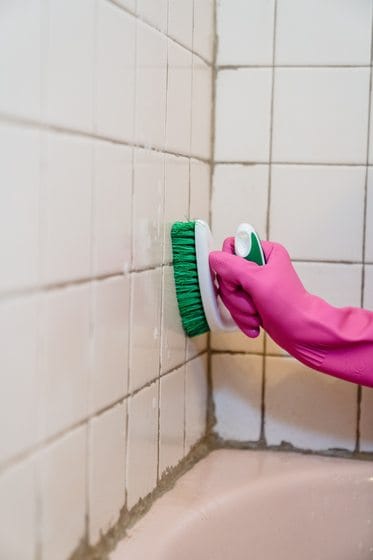
Some situations aren't worth the risk of a DIY fix. Call a professional when you see any of these:
- Growth larger than about 10 square feet.
- Mold you can smell but can't find, likely hidden in a wall, ceiling, or HVAC system.
- Mold after a sewage backup or contaminated water.
- Growth that keeps returning after you clean it.
- Anyone in the home with asthma, allergies, or a weakened immune system.
- Signs of structural damage like warped drywall or soft wood.
How much does a mold inspection cost in Chicago? A basic mold inspection in the Chicago area typically runs from about $200 to $600, and many companies credit that toward remediation if you move forward. Professional mold remediation usually falls between $2,000 and $6,000, depending on the size and location of the growth. A failed DIY attempt on a big problem often costs more in the end.
Think it's more than mildew?
We're IICRC Certified (#94208), family owned since 1986, and we handle the insurance paperwork. Straight answers, fair pricing.
Frequently Asked Questions
What is worse, mold or mildew?
How do I know if it's mildew or mold?
Is mildew toxic to humans?
Does mildew turn into black mold?
Can I stay in my house with black mold?
Can black mold be cleaned?
What kills mildew instantly?
How much does a mold inspection cost in Chicago?
Still Staring at a Spot You Can't Figure Out?
Text us a photo or book a free inspection. We handle water, fire, mold, and sewage cleanup across Chicago's North Side and nearby suburbs, family owned since 1986.
Call (773) 885-8528