Why Commercial Properties Need Specialized Restoration Services
Commercial buildings do more than just house offices or stores. They provide jobs, serve customers, protect assets, and keep daily operations running smoothly for neighborhoods and industries. When something like water, fire, mold, sewage, or storm damage hits, it doesn't just affect the building—it impacts everything around it. That's why having specialized restoration services isn't just a nice-to-have for commercial properties; it's essential for keeping revenue steady, ensuring safety, and maintaining property value over time.
Unlike a typical home, a commercial building has more complex systems, higher occupancy needs, stricter rules to follow, and complicated repair timelines. A simple patch job usually isn't enough. Business owners and managers need a partner who knows how to restore functionality quickly, document damage clearly, and coordinate work without disrupting business. If you're weighing your options, start with a dedicated commercial restoration team that understands the unique needs of offices, retail centers, warehouses, and mixed-use properties.
This guide will explain why commercial properties need specialized restoration, what services are usually included, industry trends, and tips on picking the right plan after an emergency. You'll learn why quick action matters, how insurance coordination works, and what real-world restoration looks like when business can't just stop. For a deeper dive into the long-term effects of property loss, check out FEMA's mitigation resources to understand how damage can spread if not handled quickly.
The Unique Risks Commercial Properties Face
More People, More Exposure
Commercial properties are designed to host more people, equipment, and activity than most homes. This means damage can spread fast through shared corridors, HVAC systems, storage areas, and customer spaces. A small leak in a break room can become a big problem if it affects an entire floor, server room, or tenant area. Specialized restoration services focus on containing and documenting the issue and phasing the recovery process.
Business Interruptions Can Cost More Than Repairs
For businesses, the real cost of property damage often includes lost sales, missed appointments, delayed shipments, employee downtime, and damaged customer trust. Even if the physical repair isn't a huge deal, the interruption can cause a financial ripple effect that lasts longer. That's why a quick commercial response is so crucial. According to FEMA reports and studies, putting off repairs can significantly increase losses after a property incident. Restoration teams help minimize these losses by stabilizing the site quickly and creating a plan to get back to normal.
Complex Building Systems
Commercial buildings often have advanced electrical systems, computer networks, fire suppression equipment, commercial kitchens, elevators, and mechanical rooms. Each of these systems can react differently to water, smoke, heat, or contamination. A restoration provider must know how to protect the building without causing more disruption to these sensitive systems. That's why commercial work needs specialized training, industrial-grade equipment, and careful planning rather than a one-size-fits-all approach.
Why Speed Matters After Damage
Quick Response Limits Further Damage
In restoration, time is money. The longer water sits, the more it seeps into subfloors, drywall, insulation, and structural materials. Smoke residue can embed deeper into surfaces and HVAC systems the longer it stays. Rapid response helps stop that escalation before a repair becomes a rebuilding project. This is central to emergency response services like water damage restoration, where immediate extraction and drying can save materials and reduce downtime.
Moisture and Contamination Spread Fast
In a busy building, moisture can travel beyond the visible damage zone. It can move through walls, under floors, and into hidden spaces where mold can start growing. Also, sewage or floodwater can bring in bacteria and other hazards that need to be contained before anyone returns. That's why specialized teams use advanced drying plans, containment barriers, and sanitation protocols. For public health guidance on water-related contamination and mold concerns, the CDC's mold information page is a useful resource.
Quick Action Helps with Insurance Claims
Another reason speed matters is documentation. The sooner a restoration company arrives, the better it can capture the conditions, map moisture, identify affected materials, and preserve evidence for the claims process. Detailed records help property owners talk to insurers and avoid disputes about the extent of loss. Many commercial restoration providers now work closely with insurance professionals to simplify this stage, reducing friction during recovery and helping business owners move forward with confidence.
What Specialized Commercial Restoration Services Include
Water Extraction, Drying, and Moisture Mapping
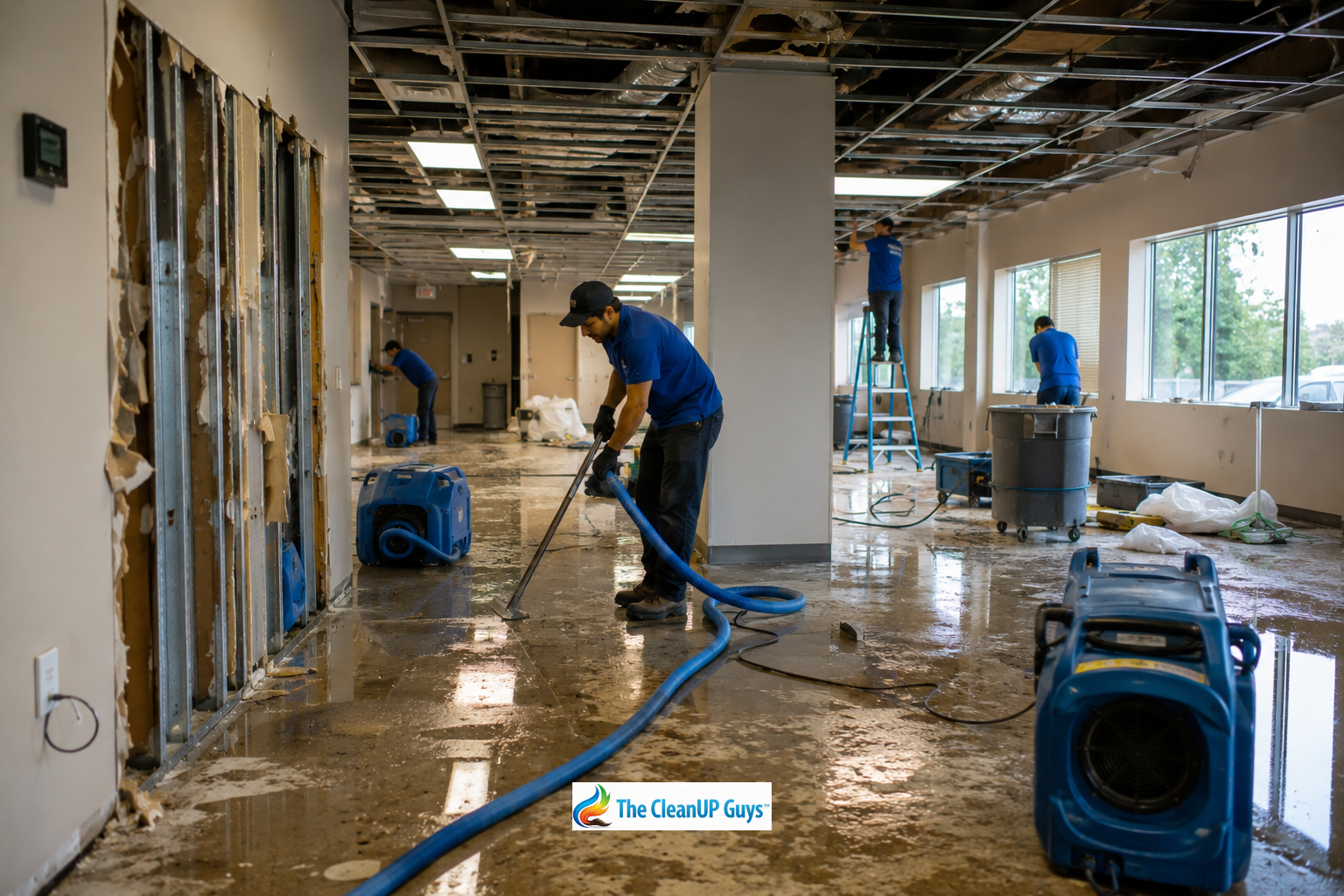
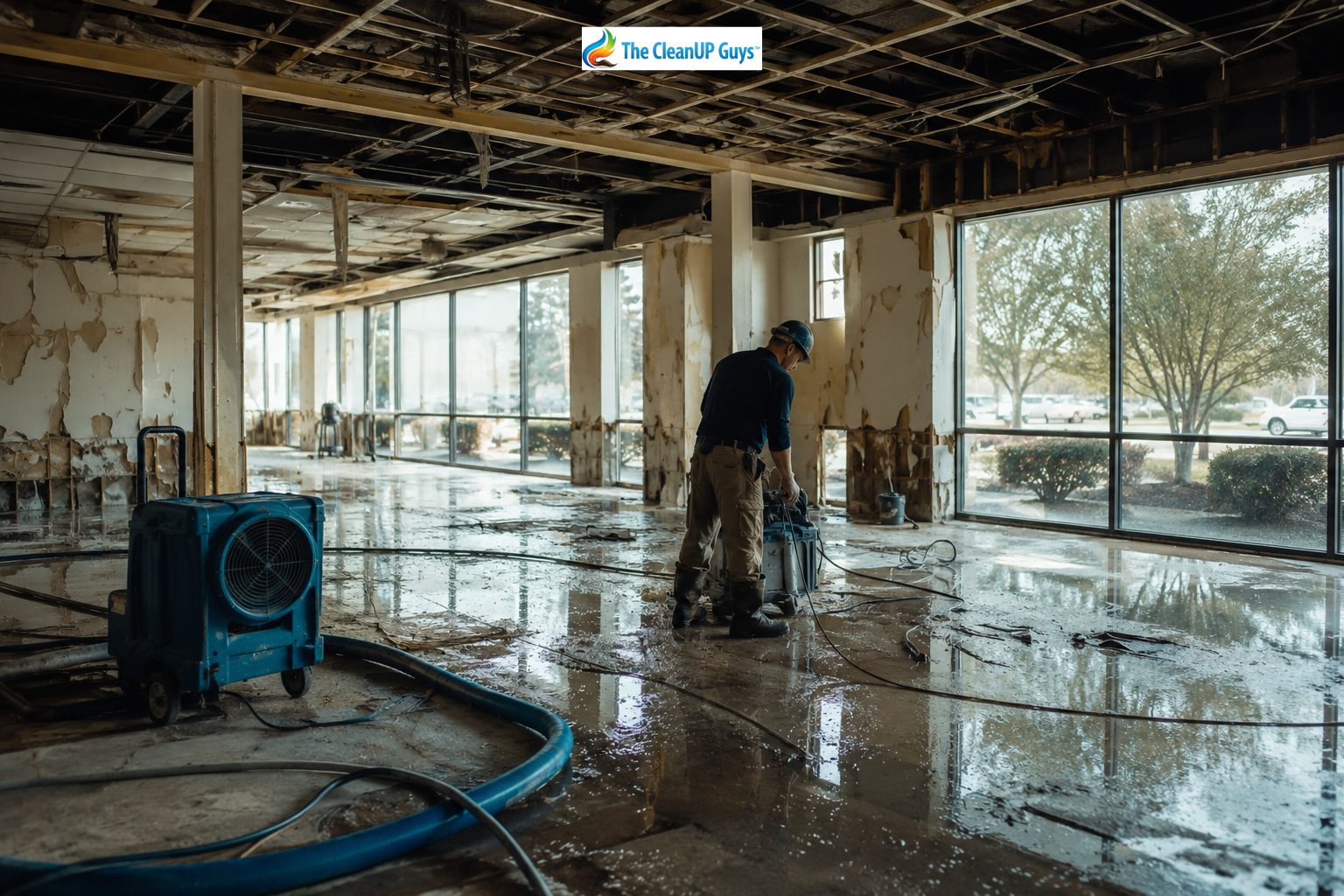
Water intrusion is one of the most common commercial emergencies, whether it's from roof leaks, broken pipes, appliance failures, sprinkler issues, or storms. Specialized restoration starts with removing standing water and then tracking hidden moisture using meters, thermal imaging, and digital tools. These technologies give technicians a clearer picture of what must be dried or removed. When you need a targeted response after a flood or leak, flood cleanup and basement cleaning services can be crucial parts of the recovery plan, especially in lower-level spaces and utility areas.
Fire, Smoke, and Soot Restoration
Fire damage isn't just about burned materials. Smoke travels quickly through ducts, ceilings, furniture, and inventory, leaving behind odor and corrosive soot. Specialized fire restoration includes cleaning, deodorizing, structural assessment, content recovery, and often staged reconstruction. If smoke has affected the building, a coordinated fire damage restoration plan helps protect both property and indoor air quality. Industry guidance from the National Fire Protection Association shows why proper fire prevention and response planning matter for commercial facilities.
Mold Remediation and Air Quality Recovery
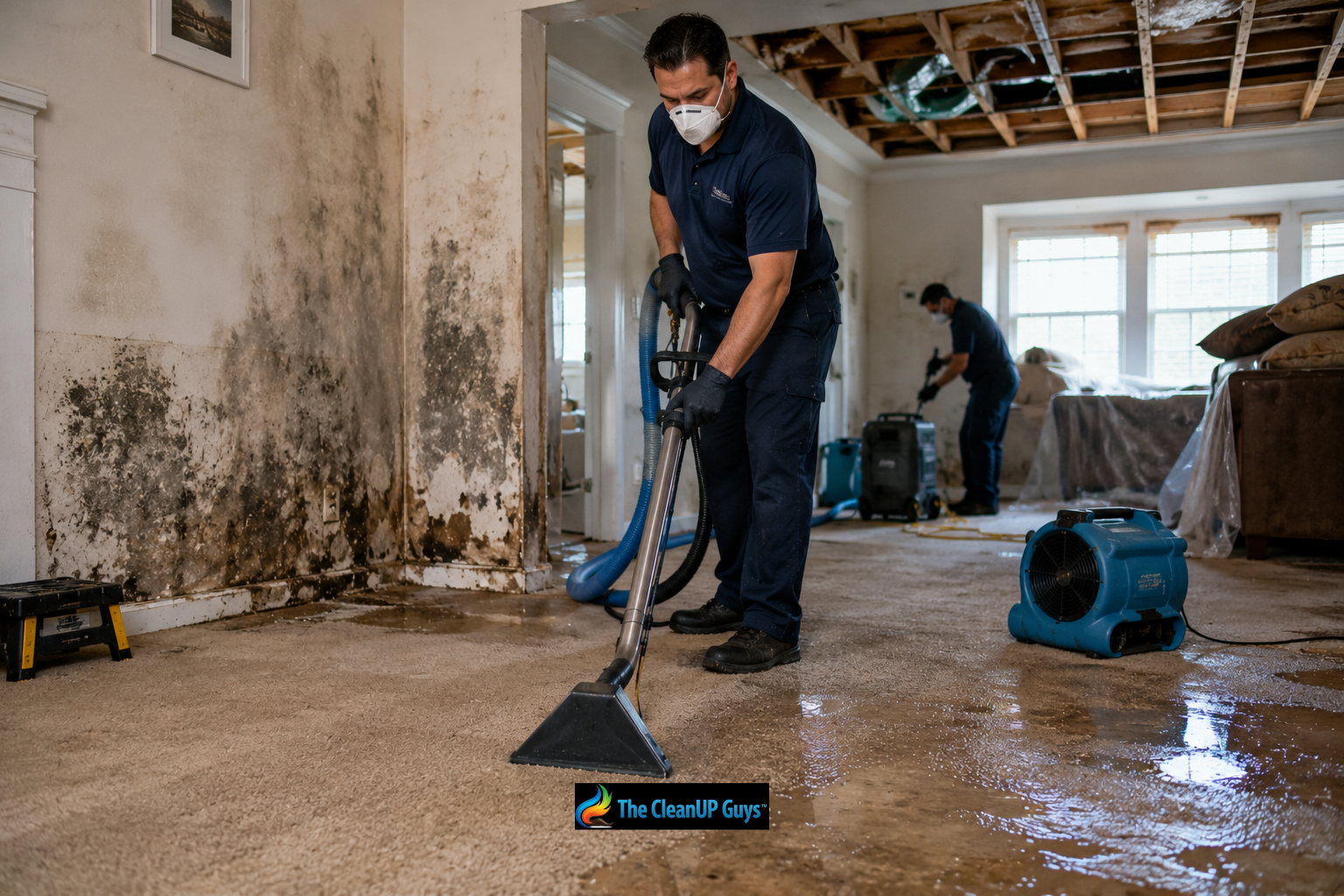
Mold can become a serious issue when water damage isn't addressed quickly or when humidity isn't controlled. In commercial environments, mold problems can affect employees, visitors, inventory, and regulatory compliance. Specialized teams isolate contaminated areas, remove impacted materials, clean surfaces, and restore healthier indoor conditions. For properties where hidden moisture has already created a problem, mold removal is often essential before tenants or staff can safely return. The key is not just removal, but also controlling the conditions that allowed growth in the first place.
Sewage, Biohazard, and Odor Cleanup
Commercial properties might face sewer backups, restroom overflows, or other biohazard situations that require strict safety procedures. These incidents can shut down entire areas and create serious health concerns if not handled correctly. Specialized restoration services include containment, sanitization, disinfecting, odor removal, and safe disposal of contaminated materials. In cases involving wastewater or hazardous contamination, professional sewage cleanup and even crime scene services might be necessary to restore the property to a safe, usable condition.
Technology is Changing the Restoration Industry
Digital Tools Improve Accuracy
One big trend in restoration is using advanced technology to make damage assessment faster and more precise. Tools like moisture mapping, thermal imaging, and digital reporting help teams find hidden problems and show property owners what's happening inside the structure. This improves transparency and can build trust during a stressful recovery process. Research from the IMARC Group highlights how technology adoption is driving efficiency in property restoration services.
Better Documentation Supports Claims
Digital job reports, time-stamped photos, and cloud-based records make it easier to work with insurers, property managers, and stakeholders. Instead of vague estimates, restoration teams can provide organized evidence of what was damaged, what was removed, and what still needs to be repaired. This matters in commercial settings where multiple tenants, vendors, or ownership groups may be involved. Better documentation means fewer delays, clearer expectations, and more informed decision-making throughout the project.
Advanced Equipment Reduces Downtime
High-capacity air movers, desiccant dehumidifiers, HEPA filtration, and specialty extraction tools are now standard in serious commercial recovery work. These technologies allow teams to dry structures faster, contain contaminants more effectively, and restore usable spaces in stages. As a result, businesses can often reopen sections of a property while other areas are still under repair. This phased approach is one clear advantage of specialized service over general cleanup.
Why Insurance and Real Estate Partnerships Matter
Faster Claims Processing Helps Everyone
Restoration isn't just about construction; it's often about coordination. Commercial restoration companies increasingly work with insurance carriers and adjusters to streamline claims handling and reduce back-and-forth delays. When reports are clear and the scope is well documented, owners can often move through the claims process more efficiently. This is one reason the restoration industry is becoming more integrated with insurance workflows, as noted in industry planning research.
Real Estate Stakeholders Need Continuity
Property managers, landlords, developers, and brokers all have an interest in keeping commercial buildings usable and valuable. A damaged property can affect leasing, occupancy rates, financing, and reputation. Restoration companies that understand these pressures can help owners make decisions that protect both the current asset and its future marketability. For more context on how commercial spaces influence surrounding value, academic research on commercial amenities and property markets, such as this study on commercial amenities and house prices, shows that business districts can materially affect nearby real estate dynamics.
Coordinated Recovery Reduces Losses
When insurance, ownership, and restoration teams communicate early, the recovery process is usually more efficient. That coordination helps prioritize urgent areas, determine salvageable materials, and set realistic repair timelines. It also reduces the chance that one phase of the job stalls another. For commercial property owners, this kind of collaboration can make the difference between a temporary setback and a major operational crisis.
Real-World Examples of Specialized Restoration
Iconic Buildings Need Expert Handling
Large, complex structures need careful restoration work because every architectural detail matters. A notable example is the Accenture Tower restoration in Chicago, where a 1.46-million-square-foot office and retail property required specialized curtain wall work. Projects like this show that commercial restoration is often about preserving function without compromising design, safety, or tenant continuity. The scale alone makes it clear why trained commercial specialists are essential.
Historic Properties Need Preservation and Modernization
Historic commercial buildings present another challenge because they may need both restoration and modernization. The Rookery Building case study from the Urban Land Institute illustrates how restoration can protect historic character while upgrading systems for modern use. That balance requires knowledge of materials, building science, and preservation standards. Specialized restoration teams are often better equipped to respect those constraints while still delivering practical results.
Local Businesses Need Practical Support
In a dense urban market, even a small restoration issue can affect staff schedules, customer traffic, and nearby tenants. Chicago’s varied commercial environment includes everything from storefronts and offices to apartment buildings and industrial facilities, so the right response must match the building type and business need. Local expertise matters because it helps teams understand weather patterns, older infrastructure, and the realities of operating in an active city. For businesses seeking responsive help, a locally focused Chicago-area restoration response can be a valuable advantage during urgent situations.
How to Choose the Right Commercial Restoration Partner
Look for 24/7 Emergency Availability
Commercial damage rarely happens on a convenient schedule. A pipe can burst overnight, a storm can strike after hours, or a sewer backup can force a closure on a busy morning. That's why emergency availability should be one of your first screening criteria. The right team should be able to respond quickly, explain next steps clearly, and begin mitigation work without unnecessary delay. In many cases, the first few hours determine how much of the property can be saved.
Ask About Certifications, Equipment, and Scope
Not every cleanup company has the training or equipment for commercial-scale damage. Ask whether the team uses moisture meters, thermal imaging, HEPA filtration, industrial drying systems, and documented safety procedures. Also, ask whether they can handle multiple service categories instead of forcing you to hire several vendors. A provider that can coordinate commercial restoration, water damage restoration, and mold removal may save time and reduce confusion during a stressful period.
Review Communication and Project Management Practices
Restoration work can move quickly, but good communication shouldn't be rushed. You want a partner who explains the scope, keeps you updated on progress, and provides clear documentation for insurers and stakeholders. This is especially important when a business must remain partially open while repairs continue. Ask how the company handles after-hours updates, phased reopening, and coordination with building management, so you know what to expect before work begins.
Common Questions About Commercial Restoration
How Quickly Should Restoration Begin?
As soon as possible. The most successful commercial recovery projects begin with immediate assessment and mitigation. Quick action reduces structural deterioration, lowers the risk of mold, and helps protect equipment and inventory. Even if full repairs must wait, stabilizing the site early can prevent a small problem from becoming a much larger one. This is why emergency response services are such an important part of commercial property management.
What Services Are Usually Included?
Commercial restoration may include water extraction, drying, fire and smoke cleanup, soot removal, mold remediation, sewage cleanup, odor control, debris removal, and selective demolition. In some cases, it also includes content pack-out, sanitization, and support for reconstruction planning. The exact scope depends on the type of damage, the size of the property, and the goals of the owner or facility manager. The best providers customize their approach rather than forcing a generic package.
How Does Restoration Help with Business Continuity?
Restoration teams help preserve operational continuity by prioritizing safety, containment, and phased reopening. Instead of shutting down an entire building longer than necessary, they can isolate affected areas and restore usable sections first. This approach reduces lost revenue and keeps people working sooner. In commercial environments, continuity is often just as important as the repair itself.
Protecting Commercial Property Value Over Time
Restoration is Part of Property Maintenance
Many owners think of restoration only after a disaster, but it should also be seen as part of a larger maintenance strategy. The same systems that keep a commercial building valuable—roofing, plumbing, HVAC, drainage, and exterior envelopes—also create risk when they fail. Regular inspections and prompt intervention help reduce the chance of severe loss. Strong facility management includes not only routine upkeep, but also a clear plan for emergency recovery when the unexpected happens.
Downtime Affects Tenant Confidence
For leased properties, repeated disruptions can hurt tenant satisfaction and renewal rates. Businesses want to know that their landlord or property manager can respond quickly and professionally when something goes wrong. Specialized restoration services help preserve trust by showing that the property is being cared for responsibly. That can have a direct effect on occupancy, reputation, and lease stability over time.
Recovery Quality Influences Long-Term Resale and Leasing Potential
Commercial properties that are restored correctly are more likely to retain value and appeal to future occupants. Poor cleanup, lingering odors, concealed moisture, and incomplete repairs can all reduce marketability later on. By contrast, thorough restoration supports a cleaner handoff to insurers, tenants, buyers, or lenders. This is why experienced teams focus not only on fixing visible damage, but also on verifying that hidden conditions have been addressed.
Conclusion: Specialized Restoration Protects More Than the Building
Commercial properties are economic engines. They support workers, customers, tenants, vendors, and communities, which means damage to those spaces has broader consequences than a simple repair bill. Specialized restoration services help protect that larger ecosystem by responding quickly, reducing secondary damage, coordinating with insurers, and restoring safe conditions in a structured way. Whether the issue is water, fire, mold, sewage, or storm-related loss, the right expertise makes recovery faster and more reliable.
If you manage or own a commercial building, the best time to plan for restoration is before an emergency happens. Review your response procedures, identify trusted partners, and make sure your team knows who to call when urgent damage occurs. For businesses that need dependable support after property damage, commercial restoration services can make the difference between a lengthy shutdown and a controlled recovery. When you are ready for professional help, The CleanUP Guys are here to provide fast, skilled, and dependable support that keeps your property safe and your operations moving.
To learn more or request help, visit our company website or explore our related guides on why professional help after property damage matters and how restoration services help Chicago businesses recover faster.