Why You Shouldn’t Ignore Water Damage
Water damage might seem like a small issue at first, but waiting to fix it can turn a simple cleanup job into a huge restoration nightmare. Even a minor leak, an overflowing appliance, or a burst pipe can spread water into walls, floors, and other hidden spaces. If you want to protect your home, your health, and your wallet, acting fast is key. Quick action with services like water damage restoration and flood cleanup can significantly cut down long-term damage.
In this guide, we'll explore what happens if you wait too long to address water damage, how mold and structural issues develop quickly, and what experts recommend. We'll also share practical steps for immediate response, mistakes to avoid, and real-life stories showing how a small leak can escalate. For more public health advice on indoor moisture and mold, check out the CDC’s mold resources and the EPA's guidance on moisture control.
Why Water Damage Gets Worse Quickly
Moisture Spreads Beyond What You See
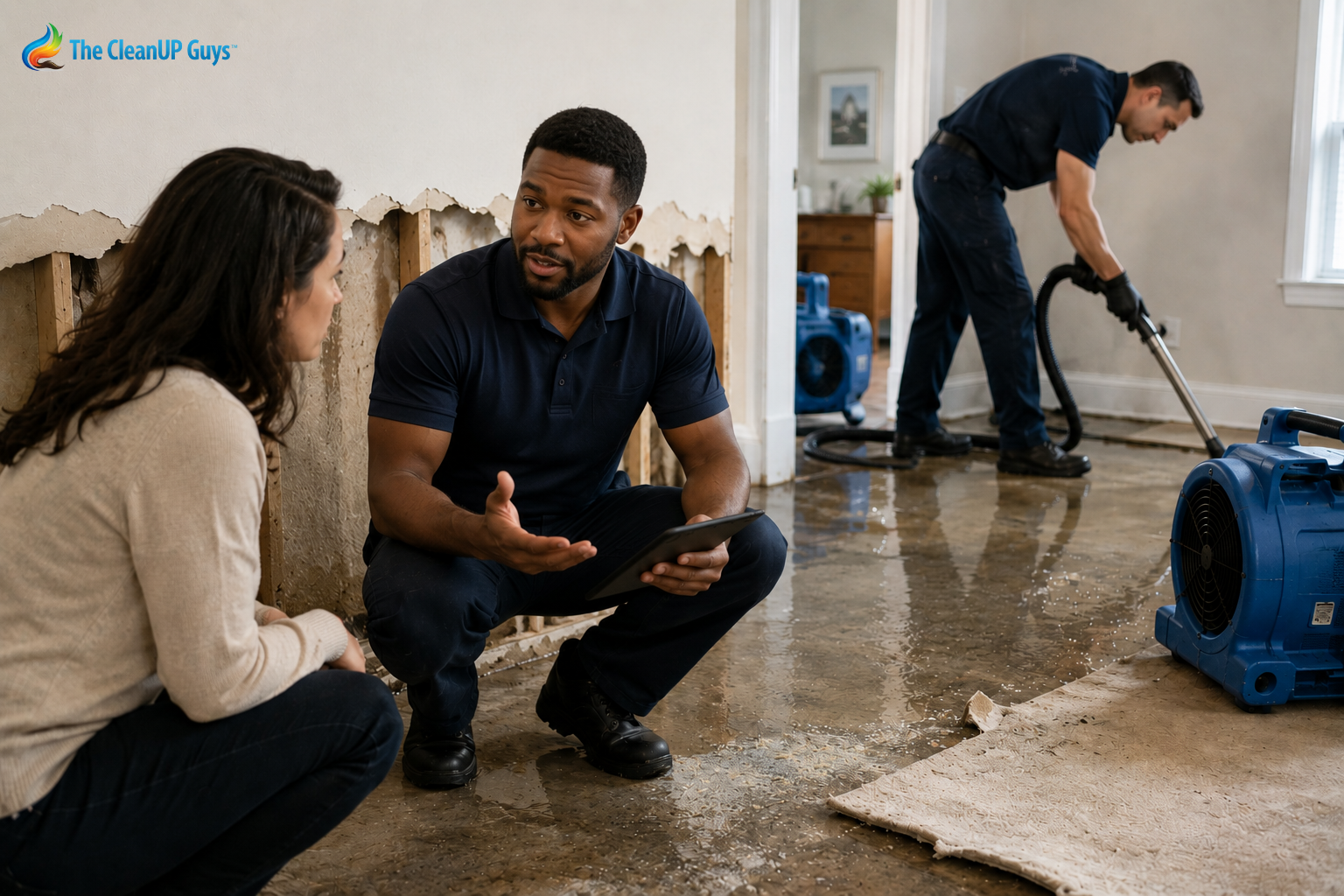
Many people think that the wet spot they see is the only part affected by water damage. In reality, water travels through porous materials and can seep into drywall, subfloors, and insulation. This means a leak in one room could cause hidden damage elsewhere, even if the surface looks dry. Professional assessments are crucial, especially if ceilings, crawl spaces, or basements are involved.
Time Lets Contamination Develop
When moisture sits too long, it encourages mold, bacteria, and bad odors. Experts say mold can start growing within 24 to 48 hours in warm, humid conditions. That short window means even a weekend delay can worsen the problem. If sewage or contaminated water is involved, acting quickly is even more important, making sewage cleanup a job for the pros.
Building Materials Suffer with Time
Water makes wood swell, drywall soften, insulation lose effectiveness, and metal parts corrode. Over time, these changes weaken the structure and drive up repair costs. In severe cases, untreated water can cause ceilings to sag, beams to rot, and floors to warp. Research from the National Institute of Standards and Technology highlights how moisture affects material performance, stressing the need for quick action.
Common Consequences of Ignoring Water Damage
Mold Growth and Air Quality Problems
Mold is one of the most common issues when water cleanup is delayed. It can spread through wall cavities, HVAC systems, and damp building materials, creating unpleasant smells and possibly triggering respiratory issues. For those with asthma, allergies, or weakened immune systems, this is a serious concern. If mold is present, targeted mold removal might be needed, along with structural drying.
Structural Weakening and Expensive Repairs
Ignoring water damage can compromise the strength of framing, subfloors, drywall, and load-bearing elements. The longer these materials stay wet, the more likely they’ll lose shape or strength, leading to costly repairs that could have been avoided.
Electrical and Safety Hazards
Water and electricity don’t mix well. Standing water near outlets, wiring, or appliances can cause shocks, short circuits, and fires. Even after visible water is gone, hidden moisture might still affect electrical systems in walls or floors. If water reaches utility areas, a professional should inspect before restoring full power.
Odor, Staining, and Property Value Loss
Lingering moisture can cause stains, musty smells, and visible damage, reducing property value. Buyers and tenants might shy away from places with a history of water issues. Over time, ignoring this can impact resale value, rental income, and insurance claims. Businesses may need help from commercial restoration experts to resume operations quickly.
What Happens in the First 24 to 48 Hours
The Clock Starts Ticking
The first 24 to 48 hours after water exposure are crucial. During this time, water moves through the property, and humidity remains high even after visible pooling is gone. This is when fans, extraction equipment, and dehumidifiers can make the most impact. Professional drying and cleanup are backed by best practices, like those from FEMA's cleanup resources.
Hidden Damage Sets In
By the end of the first day, porous materials might be soaking up moisture. If these areas aren't opened, dried, and monitored, damage can continue silently behind walls and under floors. This hidden progression often surprises property owners, who might think the problem is under control until mold odors or warped flooring appear.
Humidity Sparks a Chain Reaction
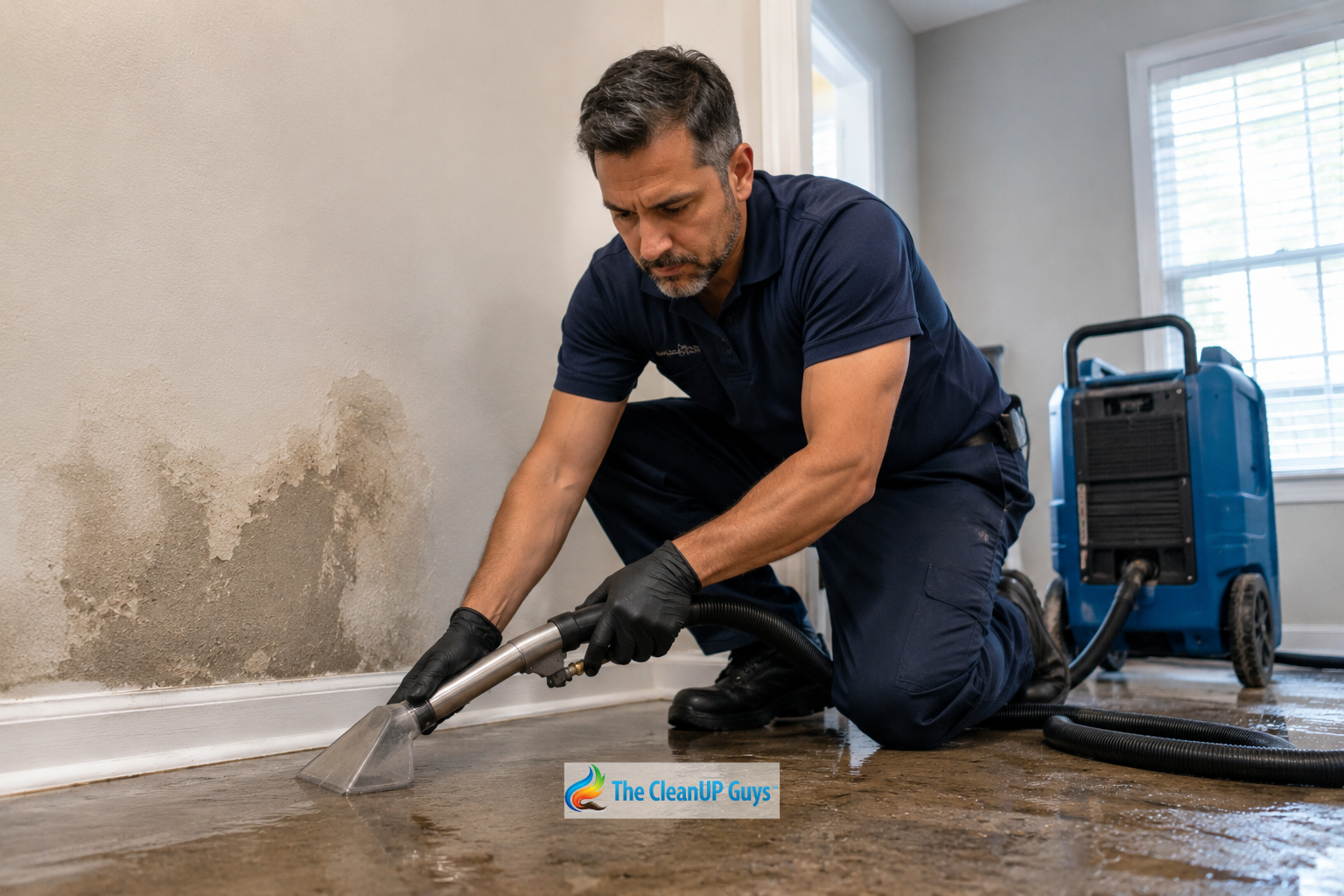
After standing water is removed, humid air can keep surfaces damp long enough for mold spores to settle and grow. That’s why thorough drying is as important as extraction. Pros use moisture meters, air movers, and dehumidifiers to target both visible and hidden dampness. A full response often includes basement cleaning if lower-level spaces have been exposed to seepage or flooding.
Why You Might Need Professional Help
Special Tools Find Hidden Moisture
Homeowners might mop up a small spill, but they usually can’t measure moisture inside walls or floors. Restoration pros use thermal imaging, moisture meters, and drying systems to find and remove hidden dampness, preventing mold growth and the need for a second cleanup.
Experts Know What to Toss or Save
Deciding what to dry and what to discard is tough. Soaked drywall, insulation, and contaminated items might need to go, while wood or concrete might be salvageable with drying. A trained pro can make these calls based on safety and contamination levels, avoiding unnecessary demolition while protecting the structure and occupants.
Professional Restoration Lowers Long-Term Risk
Professional intervention isn’t just about speed but thoroughness. A solid plan covers extraction, cleaning, drying, sanitation, and final checks, reducing the chance of hidden mold, lingering odors, and future structural issues. If the problem involves sewage or contaminated water, quick help from sewage cleanup experts is especially important.
Common Questions from Property Owners
How Fast Does Mold Grow After Water Damage?
Mold can start within 24 to 48 hours after water exposure, especially in warm or humid areas. The timeline depends on temperature, moisture level, and material type. But the key takeaway: don’t wait. Start drying and inspection right away, and call a pro if the area is bigger than a minor spill.
Can I Handle Water Damage Cleanup Myself?
Small puddles from spills might be manageable with towels, a fan, and monitoring. But if water has soaked into floors, walls, or insulation, DIY cleanup becomes unreliable. Hidden moisture can persist long after the surface seems dry. In those cases, professional water damage restoration is the safer, more effective choice, especially if multiple rooms or contaminated water are involved.
How Do I Know if Damage Is Still Active?
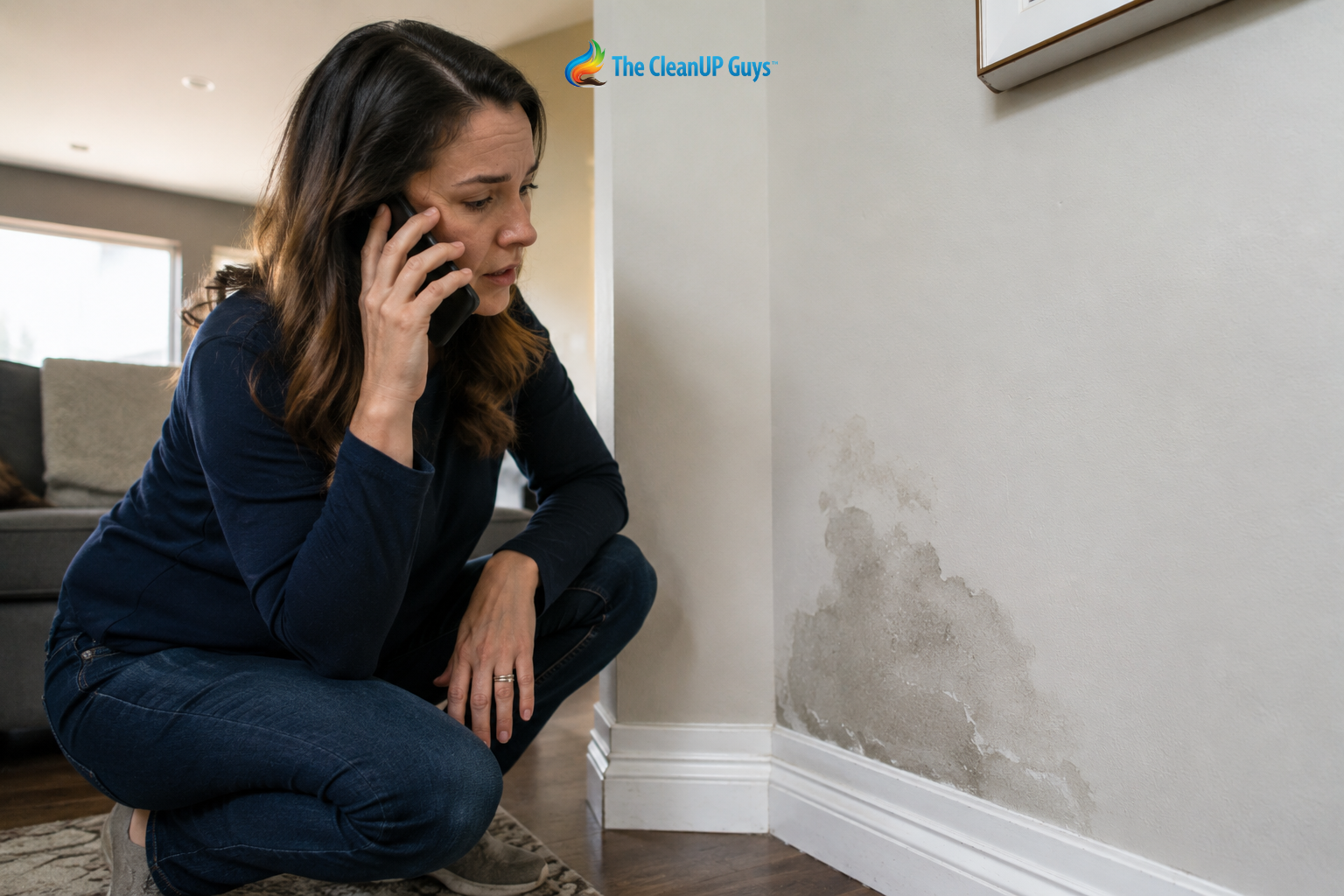
Look for musty odors, discoloration, peeling paint, warped materials, damp insulation, and soft drywall. You might also notice increased humidity or recurring condensation. If these signs appear after a leak, the problem might not be resolved. An inspection can confirm whether drying is complete or if more cleanup and repairs are needed.
Real-Life Case: A Small Leak, Big Trouble
The Chicago Basement Story
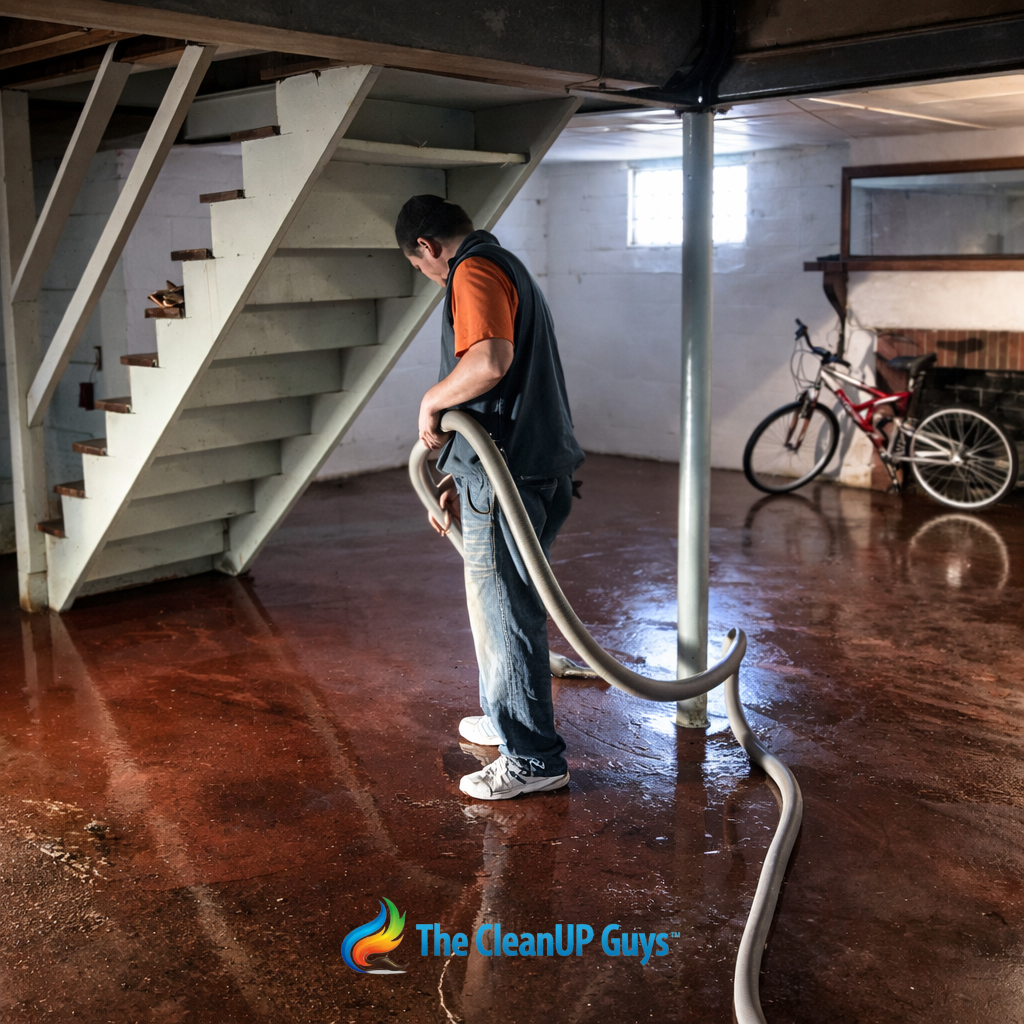
Imagine a homeowner dealing with a burst pipe in a Chicago basement during winter. The initial flood seemed manageable, and the family thought removing the visible water was enough. But moisture lingered in the framing and insulation, leading to mold within days. Eventually, a strong odor developed, drywall deteriorated, and the framing needed more repair than expected.
What They Could Have Done Differently
If they had called for immediate extraction and drying, the outcome might have been less severe. Quick action could have limited the damage, reduced material replacement, and lowered mold-related health risks. In a city where frozen pipes and heavy rain create water risks, quick response and preventive maintenance are crucial. Local teams familiar with Chicago properties can also help owners understand how climate and building age affect restoration.
The Takeaway for Homeowners and Businesses
The lesson here is that visible cleanup isn't the same as full restoration. Water damage often needs monitoring, testing, and verification to ensure it’s truly resolved. Whether you own a house, apartment, retail space, or office, acting fast protects both the structure and its occupants. It also minimizes disruption, which is vital for businesses that need to stay open.
Tips for Immediate Water Damage Response
Stop the Source If It's Safe
If you can safely shut off the water or stop the leak, do that first. Move valuables away from the area and document the damage for insurance. Don't enter standing water if electrical hazards might exist. Always prioritize safety, and if contamination is suspected, avoid direct contact until the area is checked.
Remove Standing Water and Start Drying
Once it's safe, remove as much standing water as possible using pumps, wet/dry vacuums, or extraction tools. Then focus on airflow and dehumidification. Fans alone may not suffice if humidity remains high or materials stay saturated. Continue drying until moisture readings show safe levels.
Call for Professional Assessment Early
Even if the problem seems small, a professional inspection can uncover hidden moisture and contamination you might miss. Certified restoration services can decide whether materials should be cleaned, dried, removed, or replaced. This is why many property owners turn to specialists for water damage restoration before the issue worsens. The sooner the assessment, the more options you have.
Health and Indoor Living Affected by Water Damage
Respiratory Issues and Allergies
Moisture and mold spores can worsen asthma, allergies, and other respiratory conditions. Even mild exposure can make indoor air uncomfortable and unhealthy. Children, older adults, and those with existing conditions may be more sensitive. Keeping areas dry is an easy way to protect health.
Bacterial Contamination Raises Risks
If water damage involves sewage, stormwater, or contaminated runoff, health risks increase significantly. These scenarios may expose people to harmful bacteria and pathogens, so containment, sanitation, and proper disposal are essential. Specialized cleanup is a must for safe recovery. A qualified team can coordinate broader restoration work so the property is safe again.
Long-Term Discomfort in a Damaged Property
Even after drying, lingering humidity, odor, or contamination can make a place feel unlivable. This discomfort affects sleep, productivity, and well-being. In commercial settings, it can lower employee morale and customer confidence. A complete response restores not just the building but also the comfort and confidence of those inside.
Conclusion: Act Fast to Protect What Matters
Water damage isn't just a surface problem. Left untreated, it can lead to mold, structural issues, electrical hazards, odors, and health risks that become costlier and more disruptive over time. The good news is that quick action can make a big difference. Fast extraction, thorough drying, and professional inspection are your best bets to reduce damage and protect your investment.
If you’re dealing with a leak, flood, or sewer-related emergency, don’t wait to see if the problem resolves itself. Seek help, document the damage, and start restoration right away. For homes and businesses, especially those facing contamination or large-scale moisture issues, timely support from experienced pros can save time, money, and stress. If you need dependable assistance, check out our flood cleanup, mold removal, and commercial restoration services, or contact The CleanUP Guys to get started today.