How Fire Damage Restoration Works and What to Expect
Fire da mage can turn an ordinary day into a stressful situation. Beyond the obvious burn marks, there's smoke, soot, water damage, and lingering odors that can cause further problems if left unchecked. Knowing the ins and outs of fire damage restoration can help homeowners and business owners make quick, informed decisions when every minute counts.
This guide will walk you through the restoration process from the first emergency call to the final repairs. You'll also learn about industry trends and the key steps for a safe recovery. We’ll cover common questions about timelines, insurance, and prevention, so you're prepared before, during, and after the job. If you need more support, services like water damage restoration and commercial restoration can be crucial when dealing with moisture from fire suppression or a phased reopening for businesses.
Fire is one of the most damaging emergencies because it affects multiple systems at once. On top of heat damage, you may face smoke migration, soot staining, corroded surfaces, and water intrusion. According to the National Fire Protection Association, U.S. fire departments respond to hundreds of thousands of home structure fires each year, making a reliable restoration plan essential for property owners.
What Fire Damage Restoration Actually Means
More than cleaning burned materials
Fire damage restoration involves returning a property to a safe, functional condition after a fire. It's not just about removing charred debris or repainting walls. Proper restoration also tackles smoke residue, soot contamination, odor control, contents handling, drying, sanitizing, and structural repair. Often, multiple layers of damage need to be handled in the right order.
Restoration pros figure out what can be cleaned, what needs to go, and what requires full reconstruction. For instance, light surface soot on hard materials might be salvageable, but porous materials like drywall, insulation, or upholstery often need replacement. The goal is not just cosmetic improvement; it’s about restoring safety, air quality, and long-term stability.
The difference between mitigation and reconstruction
Fire restoration usually happens in phases. First comes mitigation, which focuses on preventing further damage. This can include emergency board-up services, roof tarping, debris removal, water extraction, and temporary power solutions. Reconstruction follows, involving rebuilding damaged sections once the property is stabilized and cleaned. If water was used to put out the fire, flood cleanup or moisture control may be necessary before repairs can start.
This phased approach is vital because it prevents additional loss. If a property isn't secured quickly, it can suffer from weather exposure, theft, mold growth, or further structural deterioration. The quicker mitigation starts, the less expensive and disruptive the overall project is likely to be.
The First 24 to 48 Hours After a Fire
Safety comes before cleanup.
The first step is ensuring safety. No one should re-enter a fire-damaged property until emergency responders, building officials, or qualified restoration professionals say it’s safe. Hidden dangers might include weakened floors, unstable walls, electrical problems, and airborne contaminants. Even a small fire can create invisible hazards.
During the first couple of days, a restoration team usually secures the building, documents visible damage, and starts planning the cleanup sequence. If there’s water from fire suppression, drying needs to happen immediately. Quick action reduces the chance of the smoke smell becoming permanent.
Documentation and insurance coordination
One of the best things property owners can do early is document the damage thoroughly. Photos, videos, inventory lists, and receipts can make the insurance process smoother. Clear records help support claims and distinguish between fire loss, smoke damage, water damage, and pre-existing conditions.
Start communicating with your insurance as soon as possible. The Insurance Information Institute notes that policy coverage can vary, so reviewing your limits and deductibles early is key. A restoration company can often help coordinate estimates, documentation, and communication with adjusters to keep the recovery on track.
How the Fire Damage Restoration Process Works
Step 1: Inspection and damage assessment
The restoration process starts with a thorough inspection. Technicians assess structural damage, smoke travel, soot type, moisture levels, odor severity, and affected contents. Nowadays, teams increasingly use thermal imaging and moisture detection tools to find hidden damage behind walls, under floors, and inside cavities. These technologies help prevent missed problems that could surface later.
Assessment is crucial because fire damage is rarely uniform. One room might have direct burn damage, while another could mainly suffer from smoke and odor. A comprehensive evaluation ensures the right treatment for each area, saving time and protecting more of the property.
Step 2: Securing the property and removing hazards
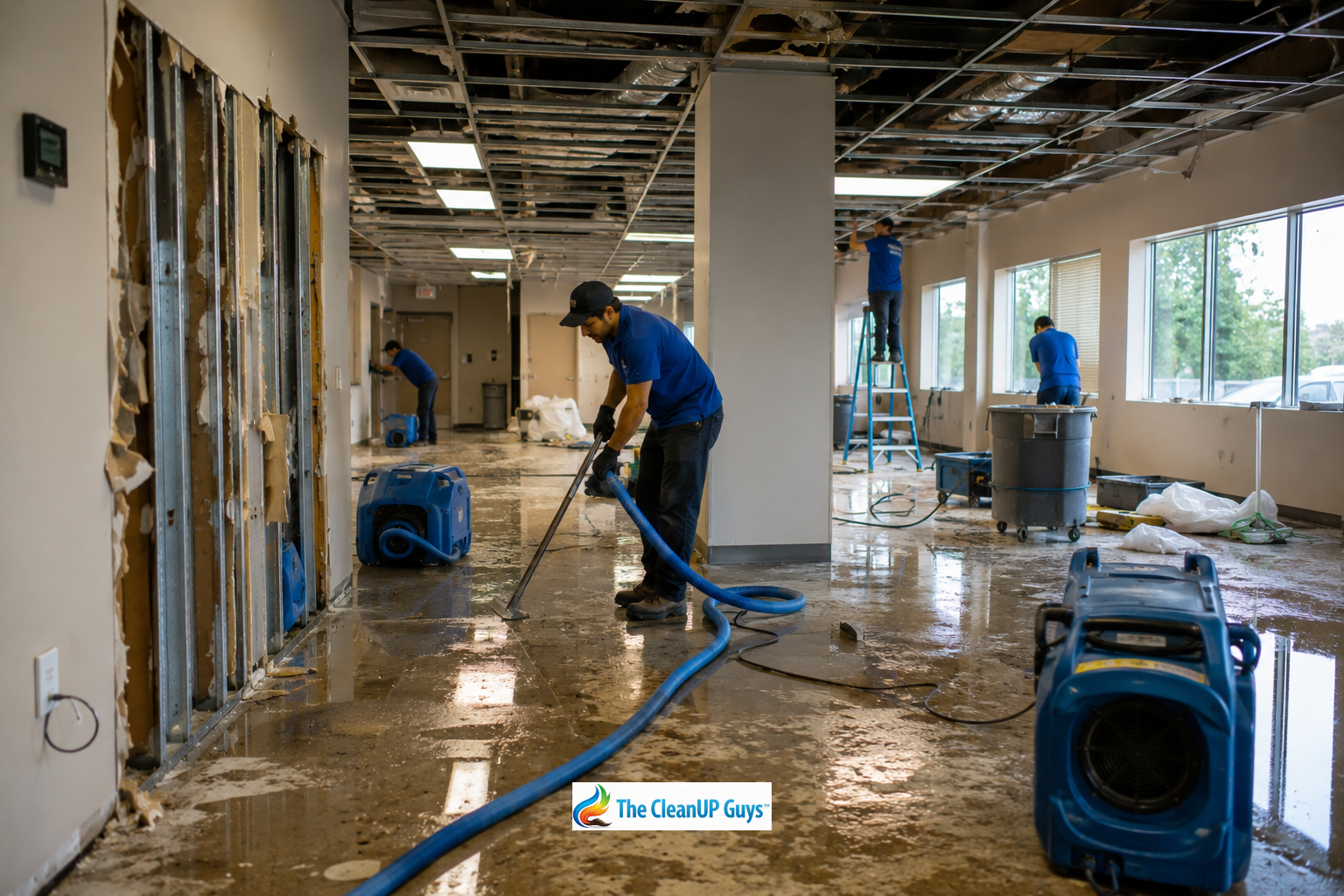
Once the scope is understood, the property is secured. This might include boarding windows, tarping roof openings, fencing off unsafe areas, and clearing loose debris. If the building is commercial, secure containment is even more important because it protects equipment, inventory, and restricted work zones. For businesses needing a coordinated reopening plan, commercial restoration is often the best path because it balances safety with operational continuity.
Hazard removal also involves disposing of unsalvageable items. Burned materials, contaminated insulation, and heavily damaged contents may need to be packed out and disposed of properly. This step creates a clean workspace for the rest of the project and reduces the risk of further contamination.
Step 3: Soot and smoke removal
Smoke and soot are among the most stubborn parts of fire damage. They can stain surfaces, discolor finishes, and penetrate deep into porous materials. Restoration specialists use specialized vacuums, chemical sponges, cleaning agents, and deodorizing methods tailored to the type of residue. Dry soot from fast-burning fires behaves differently from oily residue from slower, hotter fires, so the cleaning approach must be precise.
Current trends show a growing use of more sustainable and non-toxic cleaning agents, which is good news for property owners concerned about indoor air quality. Eco-friendly restoration methods can reduce harsh chemical exposure while still being effective. That shift reflects a broader industry focus on safer, more efficient recovery practices.
Step 4: Water extraction and structural drying
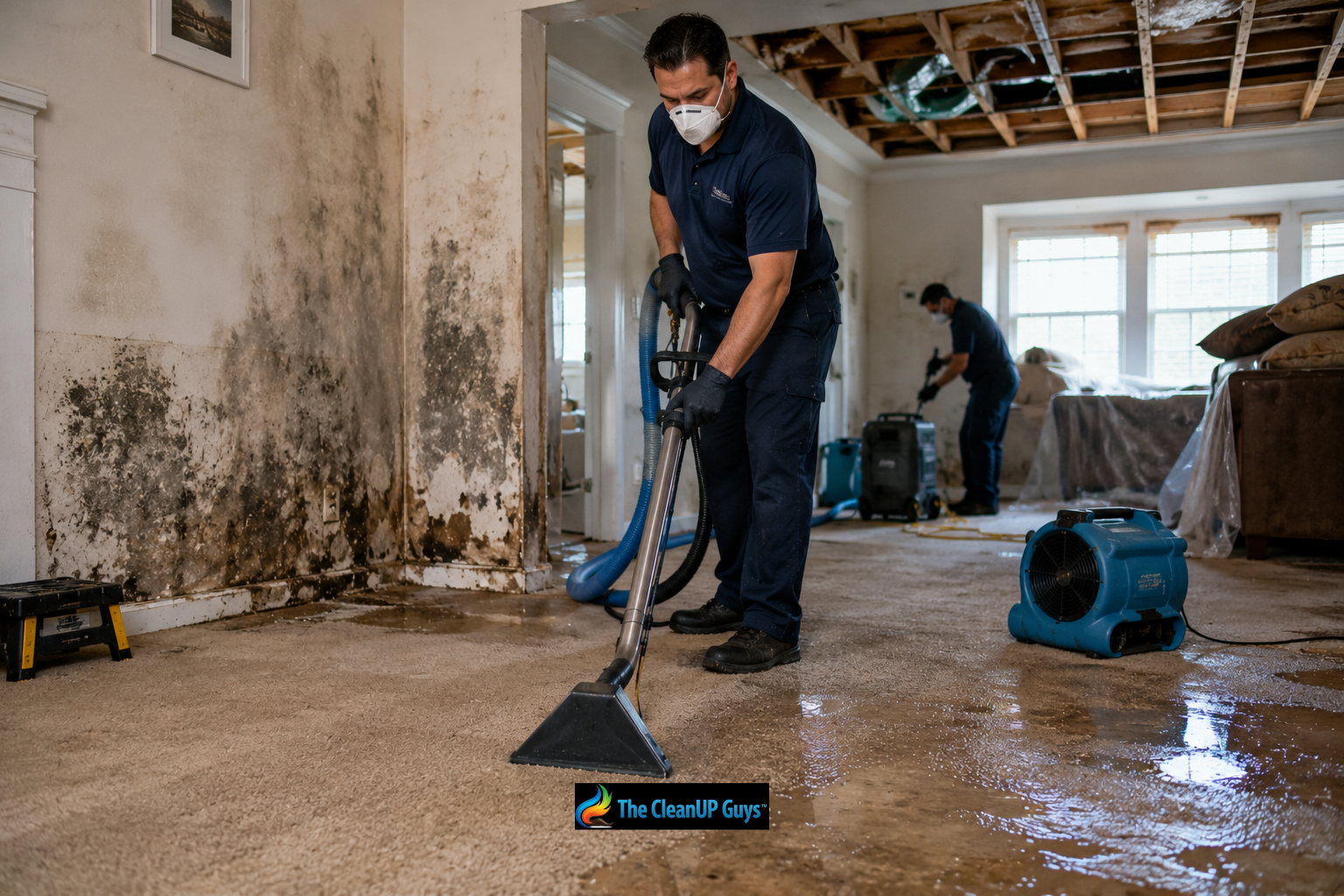
Fire suppression often leaves behind significant water damage. That water can soak flooring, drywall, insulation, and personal belongings, creating a new problem on top of the original fire. Professional drying is essential because trapped moisture can lead to mold, warped materials, and lingering odors. If moisture reaches a basement or lower level, services like basement cleaning may be necessary to fully restore the space.
Drying typically involves extraction, air movement, dehumidification, and repeated moisture checks. The goal is to bring materials back to safe moisture levels before repairs begin. In a fire restoration project, this step often determines whether parts of the structure can be saved or need replacement.
Step 5: Odor elimination and contents restoration
Smoke odor can linger long after visible damage has been cleaned. That's because odor particles bind to fabrics, drywall, and other porous materials. Technicians may use air scrubbers, ozone or hydroxyl-based treatments, thermal fogging, and deep cleaning of salvageable items to neutralize the smell. The exact method depends on the building materials, the severity of the smoke exposure, and safety requirements.
Contents restoration is also a major part of the job. Furniture, electronics, documents, clothing, and personal items may be cleaned, deodorized, or stored off-site for treatment. This is where a professional team can make a major difference by recovering items that might otherwise be thrown away too quickly.
Why Fast Response Matters So Much
Preventing secondary damage
Fire damage gets worse with time. Soot can etch metal, smoke residue can discolor finishes, and water can start breaking down building materials within hours. The longer a property sits untreated, the more likely it is that the damage will spread to unaffected areas. That is why quick restoration is not just a convenience; it is a cost-control strategy.
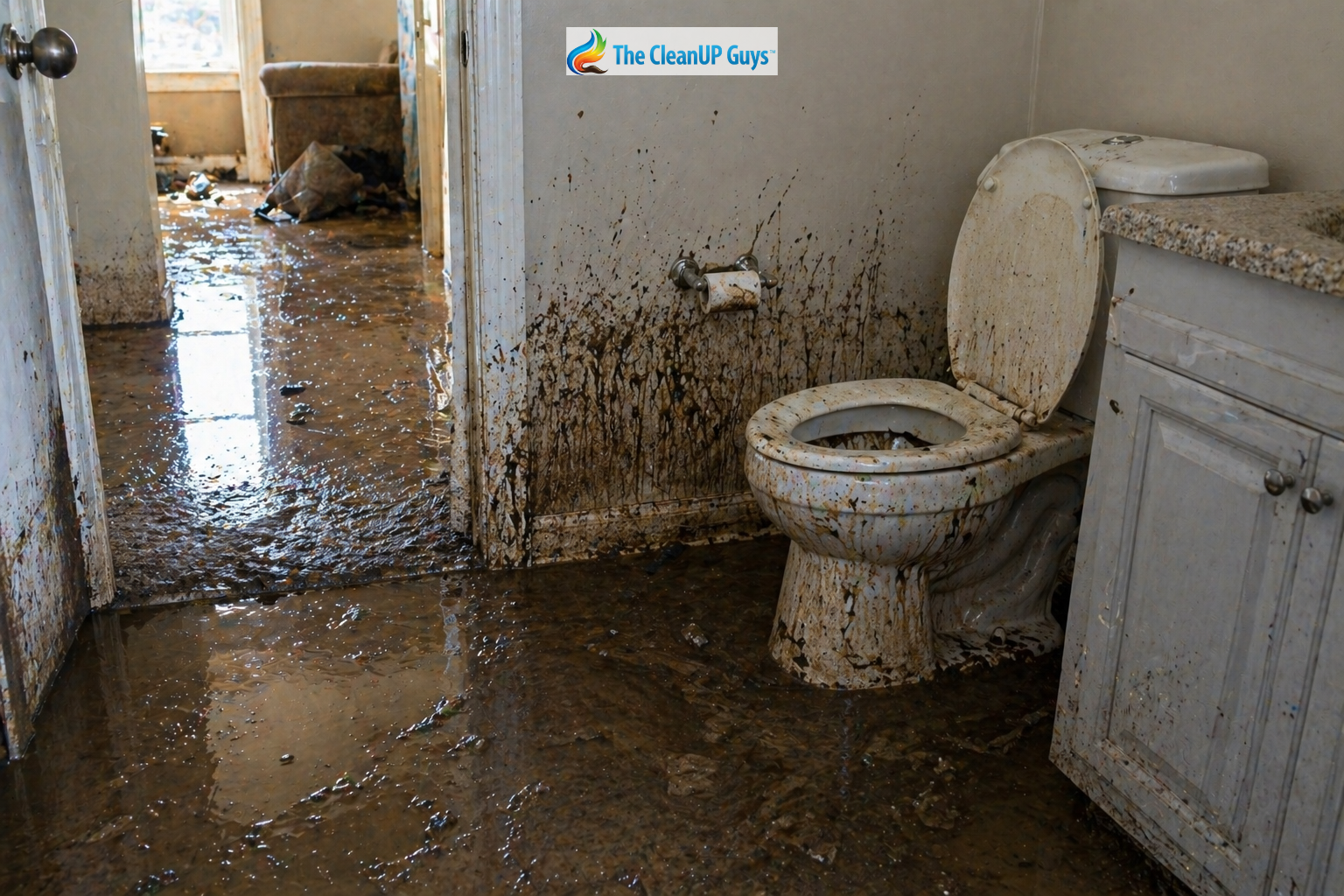
There is also a health side to speed. Smoke particles can irritate the lungs, and wet materials can create conditions for mold growth. For that reason, emergency response is often the difference between a straightforward restoration and a much larger repair project. If water contamination is present alongside fire damage, related services such as sewage cleanup or mold removal may become relevant if the structure has been exposed to additional hazards.
The first 24 to 48 hours are critical.
Expert best practices consistently emphasize immediate action during the first 24 to 48 hours. That window is important because it gives restoration teams the best chance to stabilize the property, save more materials, and limit long-term complications. Once the smoke odor settles and moisture spreads, cleanup becomes more invasive and expensive.
Industry professionals often compare fire restoration to medical triage: the most urgent issues must be addressed first, while less critical work follows after the property is stabilized. This sequencing helps maintain momentum and keeps the project organized from start to finish.
Current Trends Shaping Fire Damage Restoration
Advanced technology and better assessment tools
Technology has changed fire damage restoration in meaningful ways. Thermal imaging helps identify heat-affected areas and hidden moisture, while modern moisture meters allow technicians to monitor drying more precisely. These tools reduce guesswork and help restoration teams make smarter decisions faster. For property owners, that often means less unnecessary demolition and a clearer understanding of what is truly damaged.
Digital documentation is also becoming more common. Teams can capture photos, moisture readings, and scope notes in a way that supports insurance claims and project tracking. As restoration becomes more data-driven, clients benefit from better transparency and more accurate progress updates.
Sustainable and end-to-end service models
Another important trend is the growth of end-to-end restoration. Instead of hiring one company for cleanup and another for reconstruction, many property owners now prefer a single team that can manage the full process from emergency response to final rebuild. That approach reduces handoff delays and simplifies communication during a stressful time.
Sustainability is also influencing the industry. Non-toxic cleaning products, energy-efficient drying systems, and salvage-first strategies are becoming more common. These practices are designed to protect occupants, reduce waste, and improve the overall quality of the restoration outcome.
What Property Owners Should Expect From Insurance Claims
Coverage depends on the policy.
Fire insurance coverage is not identical for every property. Some policies cover the full scope of fire-related cleanup, while others have exclusions or limits for contents, detached structures, or temporary housing. Reading the policy details is essential, especially if the property has both fire and water damage. The more clearly you understand your coverage, the easier it is to plan next steps.
Insurance providers usually want documentation, a damage estimate, and a clear explanation of the mitigation work completed. Because fire restoration can involve multiple trades and several different types of damage, a well-organized scope is extremely helpful. Property owners should ask questions early and keep copies of all correspondence.
Working with adjusters and restoration professionals
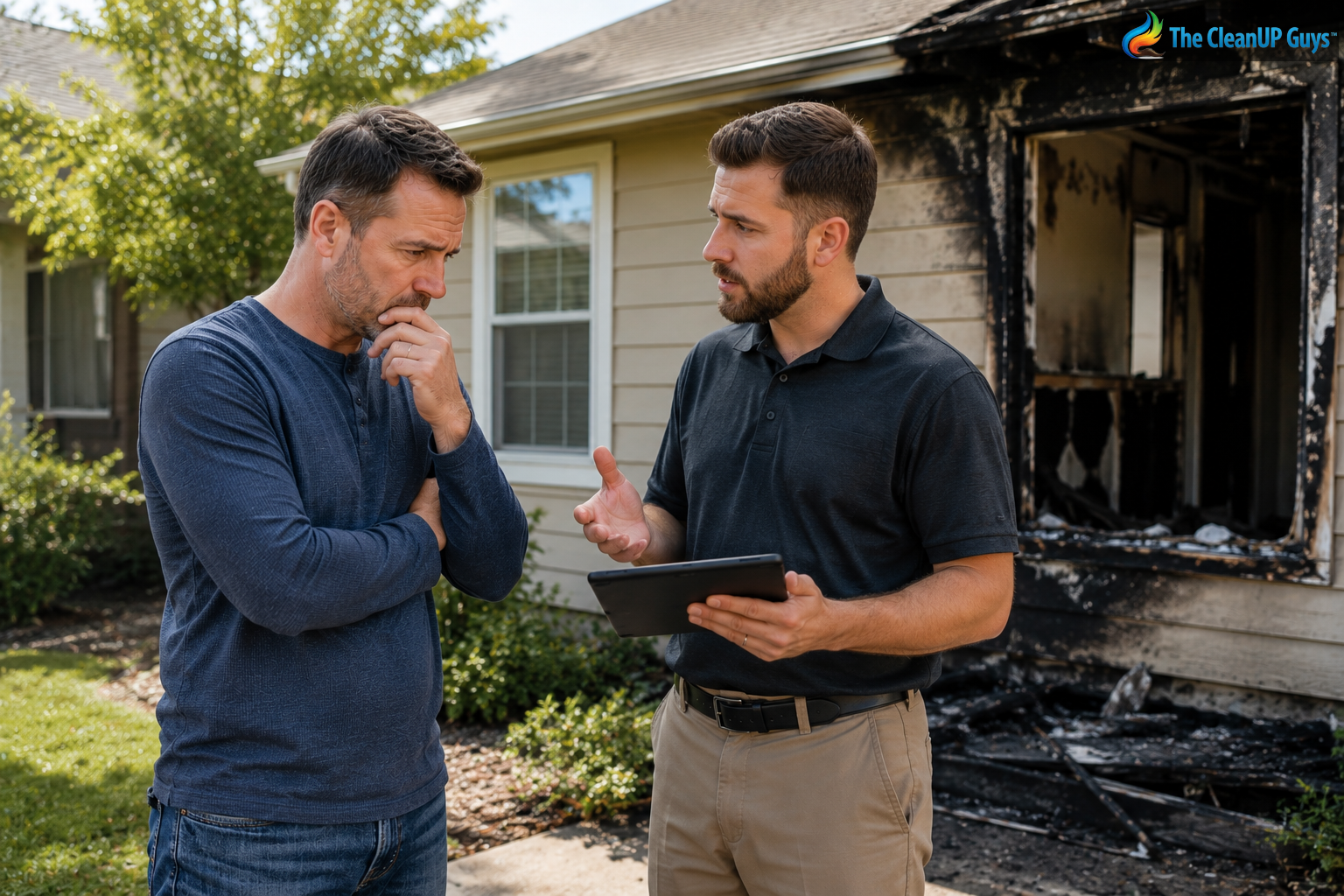
Good communication is one of the biggest factors in a smooth claim. Restoration professionals often help explain the scope of damage in practical terms that adjusters can evaluate. They may also clarify which items are salvageable, which require replacement, and what work is needed to return the property to a safe condition.
This collaboration matters because it keeps the project moving and reduces misunderstandings. When all parties understand the sequence of mitigation, cleaning, and repair, there is less risk of delays or denied portions of the claim. It also helps owners make more confident decisions during a difficult time.
Real-World Fire Restoration Examples
A small residential kitchen fire
Consider a kitchen fire that damaged cabinets, drywall, and adjacent living areas. In many cases, the restoration timeline may be about a week or slightly longer, depending on the smoke spread and water exposure. The process would include securing the home, removing burned materials, cleaning soot from nearby surfaces, deodorizing the space, and replacing damaged finishes. Because the impact is localized, a careful and fast response can often preserve much of the home.
This type of example shows why the extent of damage matters so much. A fire may look minor at first glance, but the hidden smoke and moisture can create more work than the flames alone suggest. That is why a professional inspection is so important after any fire, even a small one.
A larger commercial facility loss
A more complex example is a manufacturing or warehouse fire where downtime affects revenue and operations. In these cases, restoration must protect critical equipment, separate salvageable inventory, and coordinate phased repair work to support reopening. Commercial projects often require special attention to ventilation systems, safety barriers, and workflow planning so that the business can resume operations in stages.
For businesses, the value of a comprehensive restoration partner is clear. A team that can handle cleaning, dehumidification, reconstruction, and project coordination helps minimize disruption and keeps the recovery focused on reopening as safely as possible. Related planning resources, such as fire damage restoration, can help clarify what this kind of service includes from start to finish.
Common Questions About Fire Damage Restoration
How long does restoration take?
The timeline depends on the amount of damage. Minor fire and smoke cleanup may take a few days to a couple of weeks, while major structural loss can take several months. Factors like permit approval, material availability, weather, and insurance approval can all affect the schedule. A good restoration company will explain the expected phases rather than promising an unrealistic finish date.
Will everything be restored exactly as before?
In many cases, yes, but some components may need replacement rather than restoration. For example, damaged insulation, deeply burned structural framing, and heavily contaminated drywall often cannot be saved. The goal is always to return the property to pre-loss condition as closely as possible while keeping it safe, functional, and compliant with building standards.
How can I reduce the chance of future fire damage?
Prevention is still the best protection. Keep smoke detectors working, service electrical systems, store flammable materials safely, and review emergency escape plans regularly. For additional guidance on household and building safety, the Ready.gov home fire safety resource provides practical prevention and preparedness advice. Even simple maintenance habits can dramatically lower risk.
Why Local Expertise Matters in Chicago
Urban buildings create unique challenges.
Dense city buildings, older construction, shared walls, and mixed-use spaces all complicate fire restoration. In a large urban market, restoration teams have to manage access issues, building code requirements, and close coordination with property managers or neighbors. These variables make local experience especially valuable.
For property owners in Chicago, working with a team that understands the area’s building styles and permitting environment can save time and reduce frustration. A local provider can respond quickly, communicate clearly, and build a restoration plan that fits the property’s specific needs. If your property also needs follow-up drying or contamination cleanup after the fire, it may help to review services like flood cleanup and water damage restoration as part of a broader recovery strategy.
Preparedness makes recovery easier.
Property owners can make future fire recovery easier by keeping insurance policies up to date, maintaining emergency contact lists, and knowing which restoration company to call before disaster strikes. That preparation does not prevent every incident, but it shortens response time and reduces confusion. In a major loss, those small planning decisions can make a big difference.
Final Takeaways and Next Steps
Fire damage restoration is a detailed, multi-step process designed to restore safety, remove contamination, recover salvageable property, and rebuild what was lost. It begins with the immediate securing of the site, then moves into assessment, soot and smoke removal, drying, odor elimination, contents recovery, and reconstruction. The sooner the process begins, the better the results usually are.
If you are facing fire damage now, focus on safety first, document everything you can, contact your insurance provider, and bring in experienced professionals as early as possible. A well-managed restoration plan reduces stress, protects your property, and helps you get back to normal faster. For dependable support, The CleanUP Guys can help guide you through the process with practical, responsive service and clear communication every step of the way.
To learn more or get help with your property recovery needs, visit The CleanUP Guys or call (773) 885-8528 for immediate assistance.