How Sewage Backup Impacts Your Home and Health
Dealing with a sewage backup isn't just a messy hassle. When wastewater gets into your home, it can bring bacteria, viruses, parasites, unpleasant smells, and even structural damage. These problems can linger long after the water's gone. Knowing the risks helps you protect your property's value and your home's air quality, especially if areas like the basement or bathroom are affected.
If you're facing a messy overflow or just want to be prepared, let's talk about how contamination spreads, why it's dangerous, and which cleanup steps can prevent long-term damage. Professional sewage cleanup is designed for such emergencies and can save you from costly repairs. Many homeowners also look into water damage restoration when sewage soaks into structural materials.
Recent studies have highlighted the health impact. A 2025 University of Maryland study found that 34 out of 40 Baltimore homes with recent sewage backups still had harmful bacteria months later, including antibiotic-resistant strains. This shows that contamination doesn't just disappear when the water drains. As the Centers for Disease Control and Prevention explains, exposure to wastewater poses serious health risks, depending on the contact level and contaminants involved. Quick action is crucial. You can check the CDC's public health guidance at cdc.gov/healthywater/emergency/overflow.
Why Sewage Backup Is Dangerous
Raw Sewage Carries Health Hazards
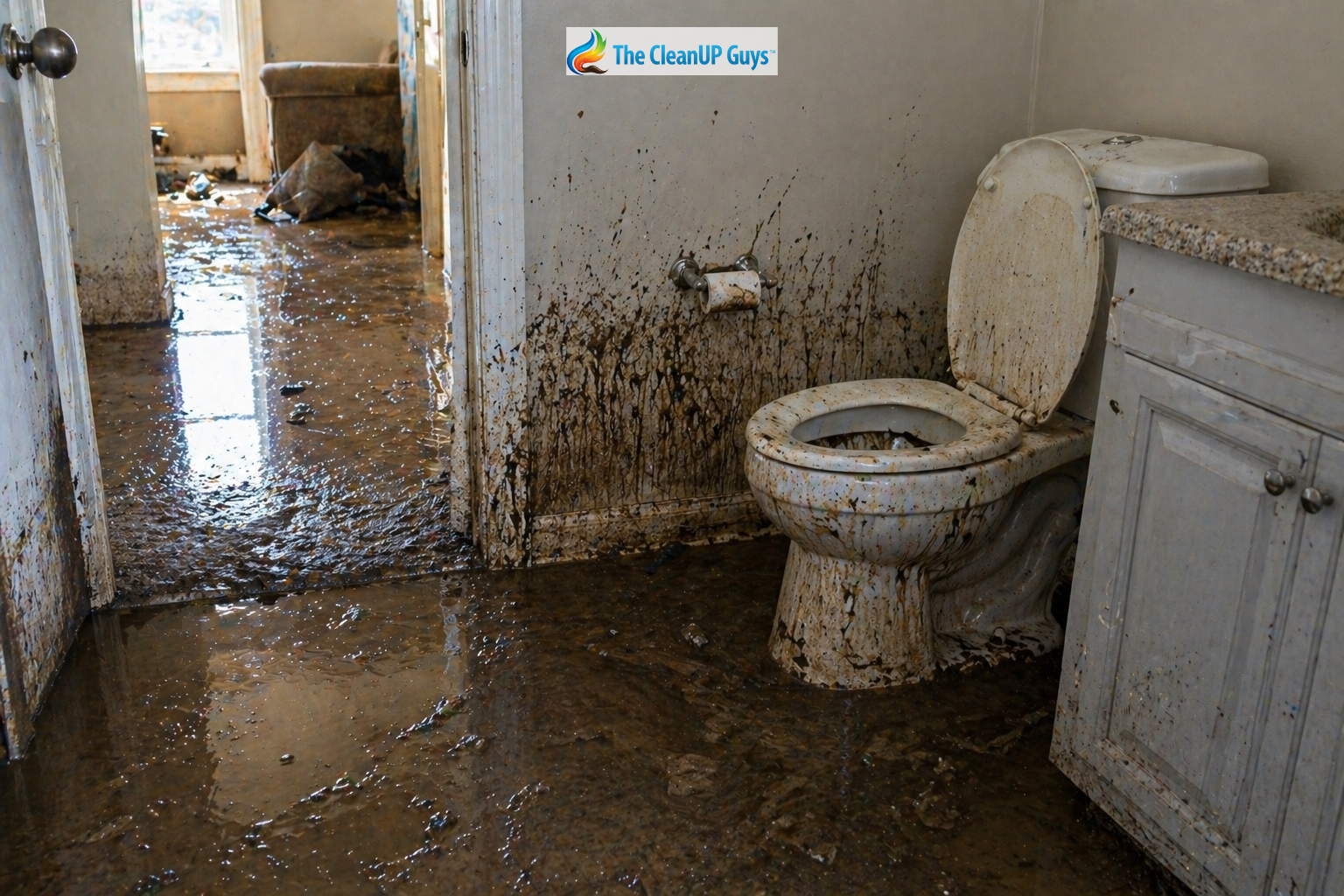
Raw sewage isn't just dirty water. It can contain fecal bacteria, viruses, parasites, and other harmful organisms. These can spread across floors, drywall, insulation, and belongings, contaminating areas beyond the visible mess. That's why sewage is treated as a biohazard, not just a cleaning job.
The Connecticut Department of Public Health notes that health effects depend on exposure type, duration, and contamination level. Even a small bathroom backup can be risky if not cleaned properly. Assume any sewage intrusion needs protective handling, disinfection, and thorough drying.
Symptoms Can Show Up Quickly or Linger
Exposure to sewage can cause gastrointestinal issues, skin infections, respiratory irritation, and more. Some people get sick from direct skin contact, while others react to airborne particles. This is especially true when contaminated materials dry and become airborne. Kids, seniors, and those with weakened immune systems face higher risks.
Symptoms might not appear immediately, leading homeowners to underestimate minor backups. That's dangerous. If sewage enters living areas, avoid unnecessary contact and get a professional assessment quickly.
How Contamination Spreads in Your Home
Water Moves Easily
When a sewer line backs up, contaminated water often enters through floor drains, basement cracks, sump pits, or the lowest fixtures. It can seep under baseboards, travel through subflooring, and enter hidden wall cavities. Even if visible water is removed fast, moisture can stay trapped and support bacteria and mold growth.
This is why restoration teams focus on both extraction and structural drying. Surface cleanup alone might leave contamination behind. If the area isn't fully dried, secondary damage can occur, making future repairs more expensive. In severe cases, homeowners may need basement cleaning to tackle contaminated spaces and restore a safe environment.
Porous Materials Soak Up Contamination
Things like drywall, carpet padding, insulation, cardboard, upholstered furniture, and unfinished wood absorb sewage quickly. Once saturated, they often can't be safely sanitized and must be removed. These materials are problematic because they hold moisture and microorganisms deep inside, where regular cleaners can't reach.
Non-porous materials like tile or sealed concrete are easier to clean, but still need professional disinfection. Often, the visible floor might be salvageable, but the baseboards, insulation, or cabinetry behind it must be discarded. That's why contamination assessments are as important as the cleanup.
What Recent Studies Mean for Homeowners
Long-Term Bacterial Risks
The University of Maryland's 2025 study is significant because it shows sewage contamination can persist longer than expected. Finding harmful bacteria months after a backup indicates the issue isn't confined to the incident day. Without proper remediation, contamination can linger and continue to pose threats.
This aligns with public health advice that sewage events need careful and prompt handling. For general information on wastewater overflow and cleanup, homeowners can look at EPA-related info and state health advisories. The takeaway: if sewage reaches living spaces, delay increases risk.
Antibiotic-Resistant Bacteria Increase Stakes
Recent research's most concerning finding is the presence of antibiotic-resistant strains in some contaminated homes. This doesn't mean every sewage backup has resistant organisms, but it shows that ordinary soap and water aren't always enough. Once resistant bacteria enter a living space, poor cleanup can lead to severe consequences.
Professional teams use containment, specialized cleaning agents, disinfection protocols, and drying equipment to reduce the risk of bacteria surviving in hidden areas. This is especially important where children play, pets roam, or residents have health vulnerabilities.
Common Causes of Sewage Backups in Chicago Homes
Storm Overload and Heavy Rainfall
In Chicago, heavy storms can overwhelm sewer systems, forcing wastewater back into homes, especially in older neighborhoods or properties with low plumbing. Sudden rainfall can push systems past capacity, causing backups through floor drains, toilets, or basement fixtures. Knowing local infrastructure challenges helps homeowners prepare.
Prevention often includes checking drainage, maintaining plumbing systems, and considering backflow protection. Homeowners facing repeated flooding or sewer issues might benefit from flood cleanup when stormwater and sewage combine into a bigger problem. Understanding how local weather affects aging pipes makes prevention more practical.
Blocked Pipes and Everyday Habits
Another major cause is simple blockage. Tree roots, grease buildup, collapsed lines, scale accumulation, and non-flushable items can all create conditions for a backup. Wipes, paper towels, feminine hygiene products, and other solids don't break down like toilet paper. Over time, these can snag on pipe irregularities and create a complete blockage.
Regular maintenance reduces risk but doesn't eliminate it. Older sewer systems and aging lines are more vulnerable, and well-maintained homes can still experience sudden events. That's why prevention, inspection, and readiness are so important.
Health Risks Homeowners Shouldn't Ignore
Gastrointestinal and Skin Issues
Sewage exposure commonly causes gastrointestinal illness. People might experience nausea, vomiting, diarrhea, or stomach cramps after contact with contaminated water or surfaces. Skin rashes and infections can happen if wastewater touches cuts, scrapes, or wet skin.
These risks are especially concerning in homes where residents might walk through contaminated water without protective gear. Even if no one gets sick right away, contamination can stay on shoes, pets, and cleaning tools, spreading to other rooms. That's why a cautious, controlled response is essential from the start.
Respiratory Irritation and Mold Growth
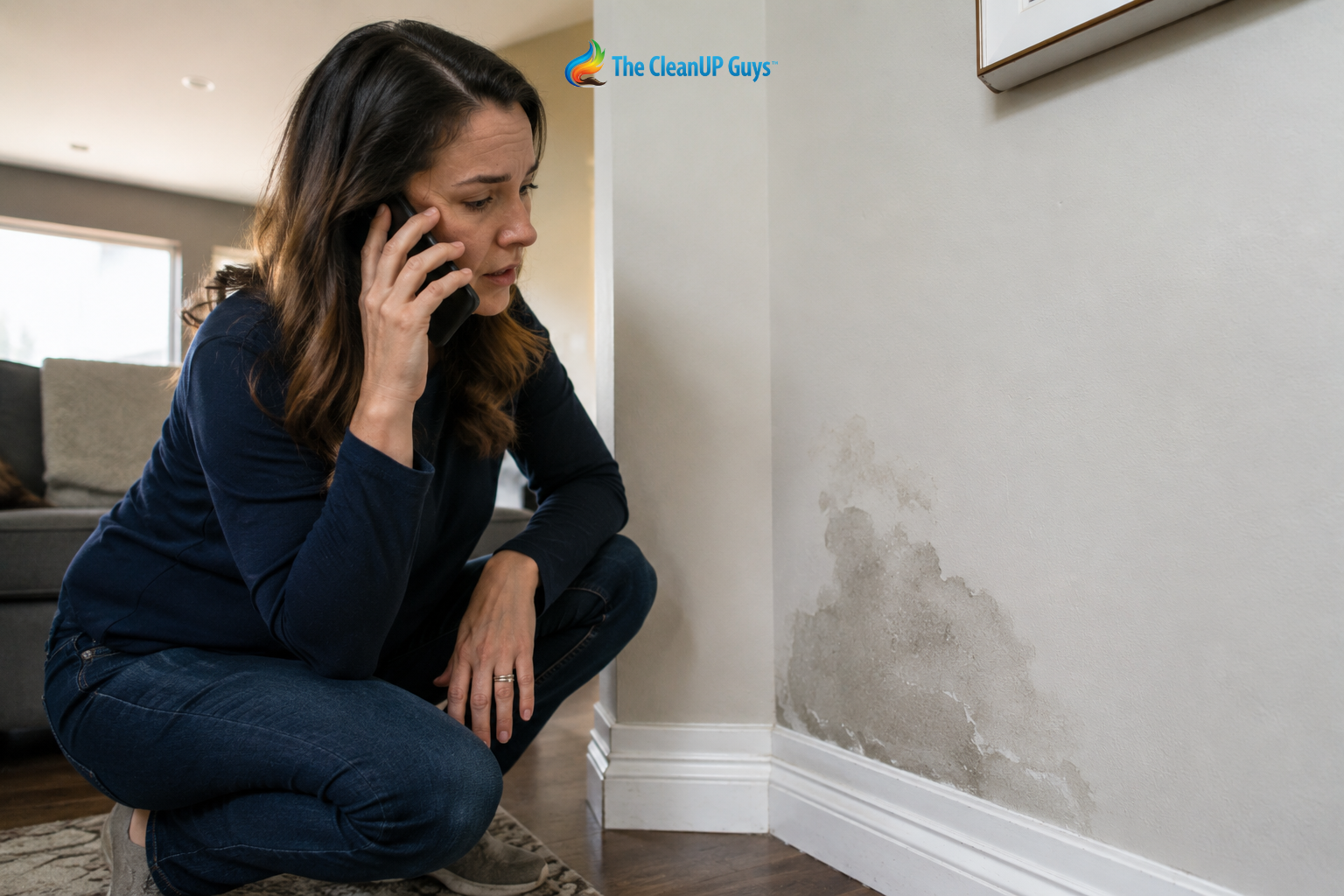
Moisture from sewage can lead to mold. Mold growth after a sewage backup is common because damp materials provide ideal conditions for fungi. Once mold spreads behind walls or under flooring, it can trigger allergies, asthma symptoms, or other respiratory issues, especially in sensitive individuals.
The EPA emphasizes controlling moisture to prevent mold. Homeowners can read more about mold and moisture management at epa.gov/mold. The message applies directly to sewage incidents: incomplete drying means the problem isn't over.
What Professional Sewage Cleanup Includes
Containment and Safety
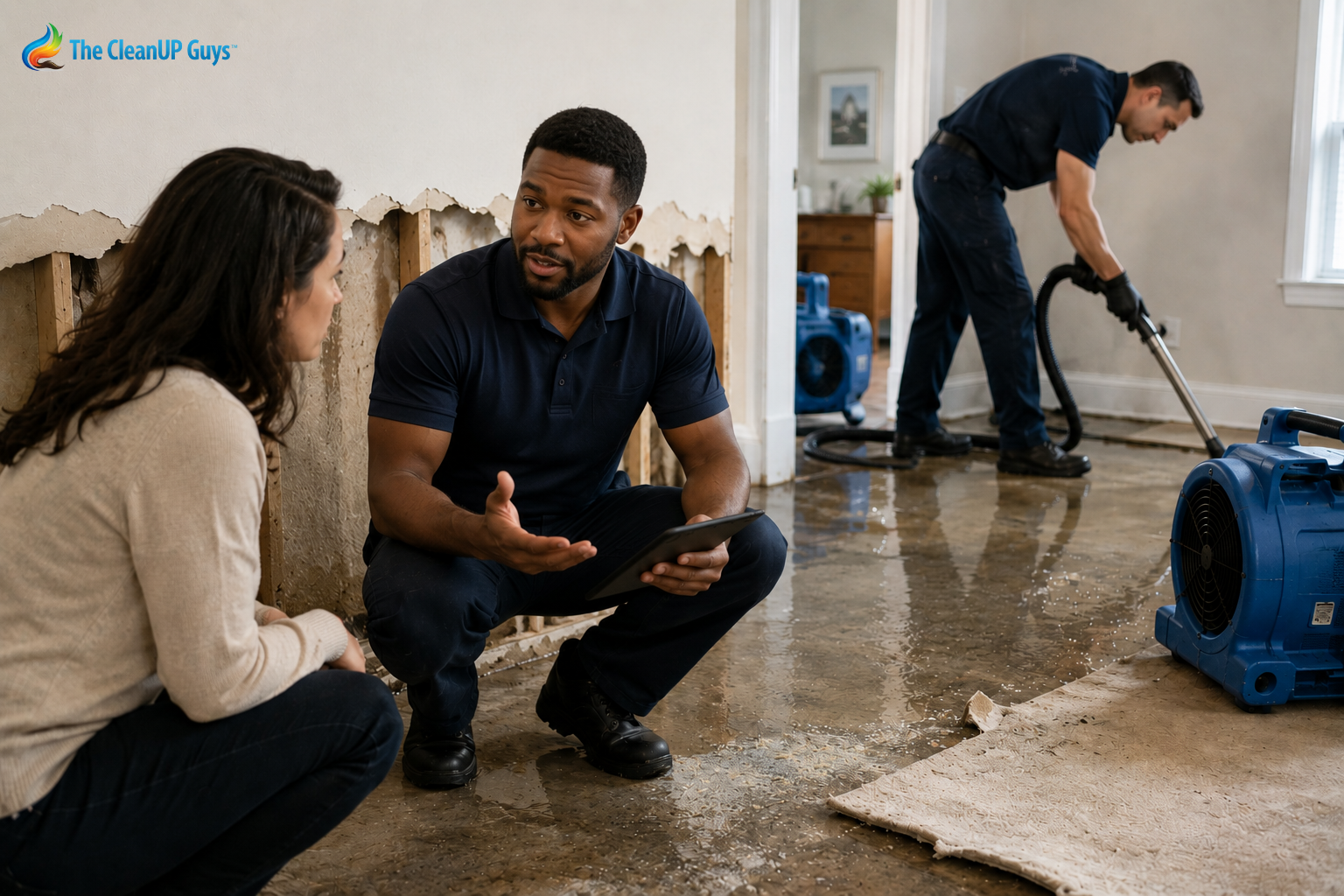
Professional remediation starts with safety. Technicians assess contamination, isolate affected areas, and decide what can be cleaned and what must be removed. They use protective gear and biohazard procedures to prevent spreading contamination to clean areas.
Many homeowners want to start wiping up water immediately. While urgency is understandable, improper cleanup can expose people to pathogens and spread contaminants. A trained team works in a sequence that minimizes risk.
Removal, Disinfection, and Drying
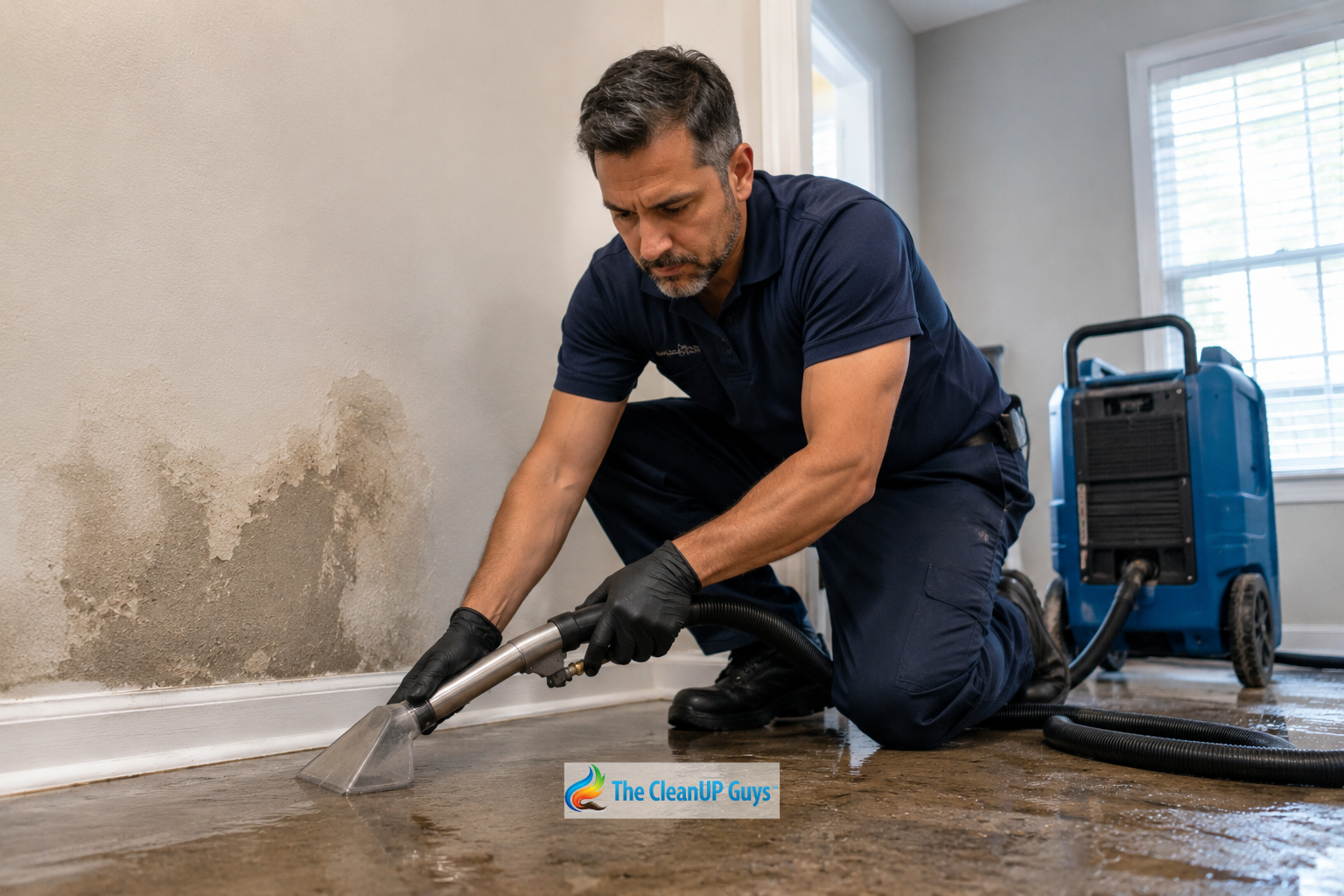
After containment, the next step is removing contaminated water and damaged materials. Non-salvageable items are discarded, surfaces cleaned, and disinfectants applied to reduce biological contamination. Once the mess is gone, specialized drying equipment removes hidden moisture from framing, concrete, and other structures.
This is where professional sewage cleanup becomes invaluable. It's not just about appearances; it's about restoring safe living conditions and preventing future problems. Often, technicians will also check if mold removal is needed if moisture has led to microbial growth.
Odor Control and Verification
Persistent odors often signal hidden contamination. Professional teams address smell at the source by removing affected materials, deodorizing structures, and ensuring moisture levels are safe. Without this final step, a home might feel unhealthy even if it looks clean.
Odors should be seen as warnings, not just nuisances. If a sewer smell persists after cleanup, it might indicate incomplete drying or trapped contamination. Verification helps ensure the home is truly safe again.
Real-World Example: Why Thorough Cleanup Matters
A School Case Study
A notable case in Alexandria, VA, involved a sewage backup affecting several restrooms and office areas at a school. The cleanup included disinfecting concrete surfaces, removing contaminated materials, and applying antimicrobial treatments, resulting in a safe environment for students and staff. This was only possible because the cleanup was systematic and quick.
This example is useful for homeowners because the principles are the same, even if the property is smaller. Contamination must be identified, removed, disinfected, and dried. Skipping a step can lead to odors, mold, or lingering bacteria.
Small Backups Can Lead to Big Repairs
Many homeowners think a minor toilet overflow is no big deal. In reality, a small event can cause damaged flooring, ruined drywall, hidden mold, and expensive repairs if not handled correctly. The spill size doesn't always match the final bill.
That's why early professional intervention often saves money. By removing contaminated materials quickly and preventing moisture spread, a restoration team limits health risks and the repair scope. This can also make it easier to document losses for insurance-related cleanup support.
How Homeowners Can Prevent Sewage Backups
Maintain Plumbing and Avoid Clogs
Routine maintenance is an effective prevention strategy. Inspect sewer lines if your home is older, if you have recurring drain slowdowns, or if nearby trees might have roots reaching into the lateral line. Avoid flushing wipes and keep grease out of sinks and drains.
If you notice repeated gurgling, slow drains, or backups in multiple fixtures, don't ignore them. These signs can indicate a blockage or a serious sewer issue. Addressing them early may prevent a full backup later.
Install Backflow Prevention Devices
Backflow prevention devices help keep wastewater from reversing during overload events or drainage pressure changes. In flood-prone or storm-sensitive areas, these devices are smart investments because they add a layer of protection. Local plumbers and restoration professionals can help determine the best option for your property.
Homeowners in basement-heavy housing or older neighborhoods should consider these prevention improvements. A modest upgrade can reduce the likelihood of major contamination and make the home more resilient.
What To Do Right After a Sewage Backup
Stay Out of Contaminated Areas
The first rule is simple: don't walk through or touch sewage unless you're protected and have a reason to enter. Keep kids and pets away, and avoid running fans that might spread contaminated particles before containment. The more you disturb the site, the higher the chance of spreading bacteria to clean rooms.
If you must document the damage, take photos from a safe distance. Avoid moving contaminated items until you understand the problem's scope. Safety comes first, even before cleanup or insurance documentation.
Call for Professional Help Quickly
Speed matters because bacteria, moisture, and odor worsen with time. A fast response can limit structural damage, reduce replacement costs, and lower mold growth risks. Homeowners in Chicago often seek local support from teams that can respond quickly and handle contamination properly.
If your property has active wastewater, contact a trained restoration provider immediately. Services like Chicago-area restoration support help homeowners with emergency cleanup, drying, and disinfection. When minutes matter, a local crew can make the difference between containment and escalation.
When to Check Insurance and Escalate
Review Coverage When Safe
Sewage backup insurance coverage varies widely, so check your policy once the area is secure. Some policies cover sewer backup, while others exclude it unless specific protections are purchased. Details matter because cleanup costs, flooring replacement, and content losses add up quickly.
Documentation strengthens claims. Keep photos, notes about the cause, and records of professional services. If you're unsure what's covered, ask your insurer about needed documentation and whether temporary mitigation should start immediately.
Escalate if Contamination is Widespread
If sewage spreads through multiple rooms, damages structural materials, or enters HVAC spaces, the situation might need a larger response. Contamination that reaches walls, insulation, or duct-adjacent areas isn't just a surface cleaning job. Prompt inspection and phased remediation are the safest paths forward.
Homeowners dealing with larger events may need related services like basement cleaning or even broader commercial restoration support if the building is mixed-use. The right plan depends on damage extent and response speed.
Final Takeaway: Fast Action Protects Health and Property
Contamination is a Health Issue First
Sewage backup affects a home in two ways: it threatens health and damages the building. Bacteria, viruses, and moisture can linger in hidden areas, making a simple mop-up unsafe. The longer the problem sits, the more likely it is to become a mold, odor, and expensive repair issue.
That's why immediate professional remediation is wise. With proper containment, removal, disinfection, drying, and verification, a contaminated home can be made safe again. This approach protects indoor air quality, preserves materials where possible, and reduces long-term complications.
Know Who to Call Before an Emergency
Plan. Save contact info for restoration professionals, understand insurance options, and review prevention measures before the next storm or plumbing issue. If you're in Chicago and need help after a sewage incident, The CleanUP Guys offer 24/7 emergency response and experienced remediation to restore safe conditions quickly.
When the unexpected happens, timely help matters. For questions, service requests, or emergency support, contact The CleanUP Guys at (773) 885-8528 or visit thecleanupguys.com. Acting fast can protect your home, health, and peace of mind.