What to Do Immediately After Discovering Water Damage in Your Home
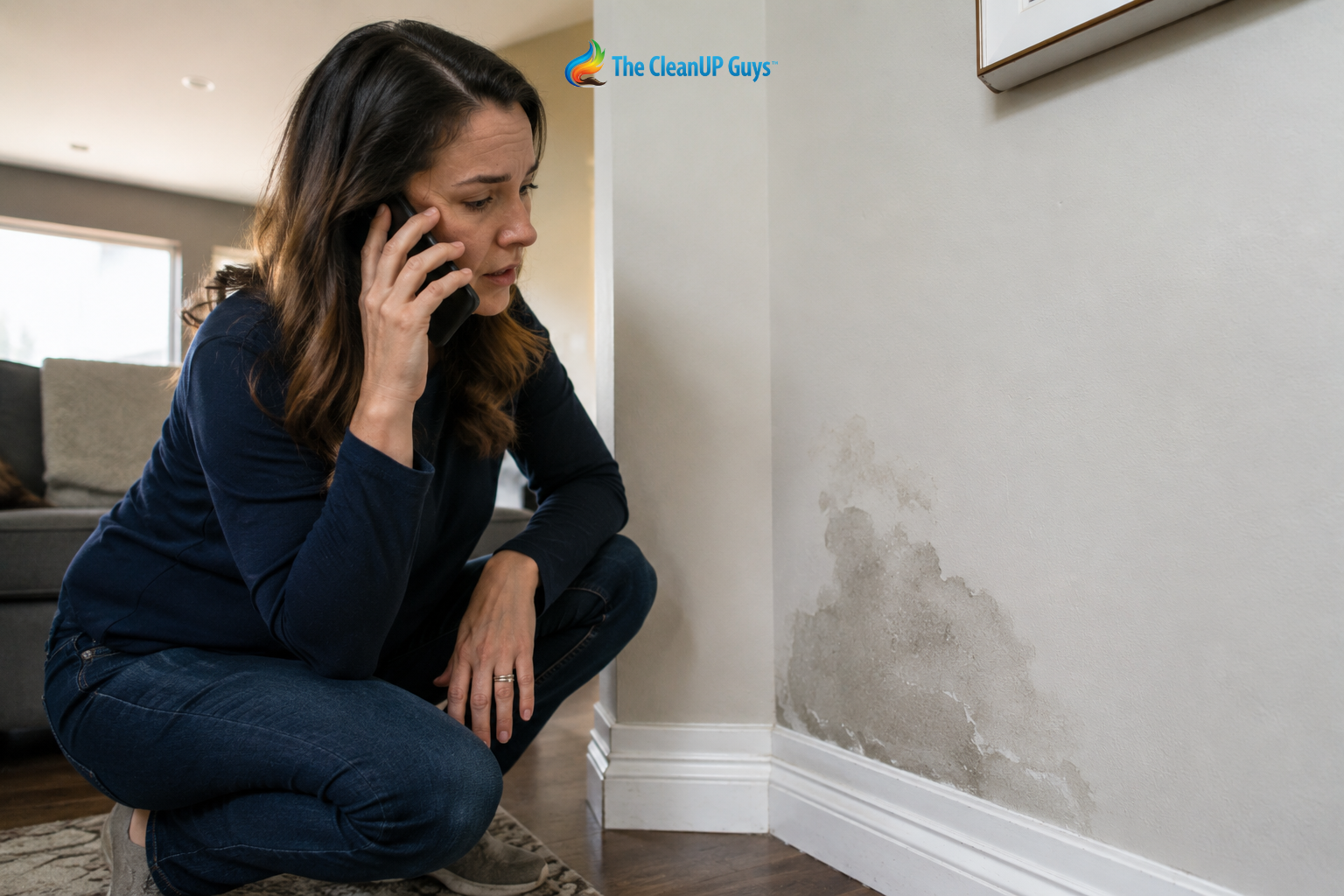
Finding water damage in your home can feel like an emergency, and often, it is. Water spreads fast, weakens building materials, and can create the perfect environment for mold if you wait too long. The good news is, taking the right first steps can really cut down repair costs, protect your health, and improve the chances of a full recovery. If you need fast help from a trusted team, professional water damage restoration can stop the damage from spreading and start drying things out right away.
This guide will walk you through what to do in the first minutes, hours, and days after discovering water damage. You'll learn how to stay safe, find the source, document the damage, and decide when to call for help. You'll also see why the first 24 to 48 hours are crucial, especially since mold can start forming quickly, according to the Centers for Disease Control and Prevention. Acting fast can make all the difference.
Why the First 24 to 48 Hours Matter
Water damage gets worse by the hour.
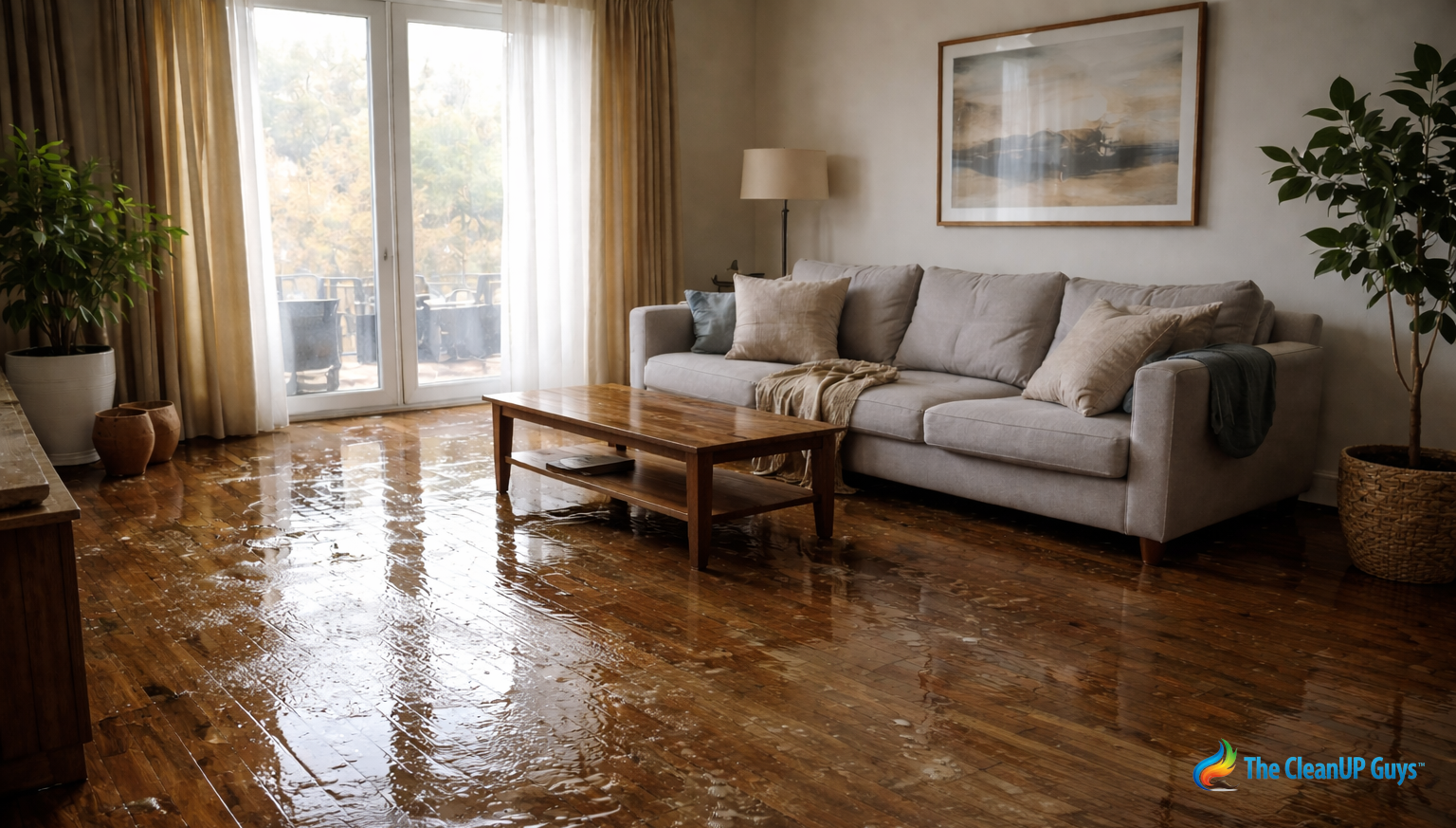
When water enters your home, it moves through flooring, drywall, insulation, and framing. Even clean water can become a bigger problem if left too long, as damp materials start to break down and odors develop. What starts as a minor leak can quickly turn into warped floors, stained ceilings, and hidden damage behind walls.
Research and restoration experience show that quick action lowers the chances of major structural loss. Often, quick intervention can cut repair costs dramatically by limiting moisture spread and allowing drying equipment to work before materials are ruined. For more on avoiding these losses, check out our related post on what happens when water damage is ignored.
Mold can begin before the house looks damaged.
Many homeowners think mold is a later-stage problem, but it can start much sooner than expected. Once moisture is trapped in porous materials, spores can settle and multiply, especially in warm indoor spaces. That's why experts stress immediate drying and dehumidification. The U.S. Environmental Protection Agency also emphasizes prompt cleanup and moisture control as the best way to prevent mold growth.
This is one reason a professional assessment matters. Hidden moisture can continue feeding damage long after visible water is gone. Modern tools like moisture meters and thermal imaging cameras help detect what's unseen, allowing restoration teams to target the right areas instead of guessing.
Step One: Make the Area Safe Before You Enter
Check for electrical and structural hazards.
Your priority is safety. If water has reached outlets, appliances, cords, or electrical panels, don't enter until you can safely shut off power from a dry location. If ceilings are sagging, floors feel soft, or walls are buckling, the area may not be structurally stable. In those cases, leave the space and contact professionals right away.
If you suspect contaminated water from a sewer backup, toilet overflow, or floodwater intrusion, don't touch the water without protection. In these situations, sewage cleanup is not a DIY task. Contaminated water can carry bacteria and other harmful materials that need specialized cleaning, disinfection, and disposal procedures.
Turn off the source if it is safe to do so
If the leak is from a burst pipe, appliance hose, or plumbing fixture, shut off the main water supply if you know where it is and can reach it safely. This simple action can prevent the problem from growing while you prepare the next steps. If the source is a roof leak, broken window, or storm intrusion, you may need to protect the area temporarily with containers, tarps, or towels until help arrives.
When the water source isn't obvious, look under sinks, behind appliances, around toilets, near ceilings, and at exterior walls. Sometimes a leak appears far from the actual source because water travels along the framing before it drips into a room. If the source remains unclear, a professional inspection can save time and prevent repeated repairs.
Step Two: Stop the Damage From Spreading
Move items out of harm’s way.
Once the space is safe, remove rugs, furniture, electronics, paper goods, and personal items from wet areas if you can do so without risk. Lifting furniture blocks moisture from soaking deeper into fabric and wood, and relocating belongings can improve airflow during drying. If the water damage affects a basement, consider professional basement cleaning if there's debris, standing moisture, or long-term dampness that needs a full reset.
Be careful with heavy items. Use proper lifting technique, and don't strain yourself trying to save objects that are already saturated. In a serious water event, the house itself is more important than trying to rescue every item immediately.
Contain small amounts of water if possible.
For minor leaks, towels, mops, wet vacs, and buckets can help control the spread while you wait for assistance. Opening nearby doors and windows may help improve air movement, but only if outdoor conditions aren't making the situation worse. In humid weather, pulling in damp air may actually slow the drying process.
If the damage is extensive, especially after a storm or major pipe break, the fastest solution is often professional flood cleanup. Proper extraction, drying equipment, and controlled ventilation can protect framing, flooring, and insulation far better than household tools alone.
Step Three: Document Everything for Insurance and Records
Take photos and video before cleanup begins.
Documentation matters. Before moving too many items or wiping anything down, take clear photos and short videos of the affected areas. Capture standing water, stained walls, damaged flooring, ruined belongings, visible source points, and any nearby serial numbers or product labels. These records can help support an insurance claim and provide a baseline for repair discussions later.
The National Association of Insurance Commissioners recommends keeping detailed records of damage, receipts, and communication during the claim process. You can review consumer guidance through the NAIC consumer resources. Having organized evidence will help you explain what happened and show the extent of the loss.
List damaged belongings and keep receipts.
Make a written inventory of everything affected, even if the item appears salvageable. Note brand names, purchase dates if you know them, and whether each item was discarded, cleaned, or repaired. Save receipts for emergency supplies, tarps, dehumidifiers, hotel stays, or temporary repairs, since these may be relevant to your claim.
If you're dealing with a commercial property, this documentation becomes even more important because downtime can affect operations. In that case, commercial restoration can help businesses recover in phases while documenting the damage for insurers and property managers.
Step Four: Dry the Space the Right Way
Use air movement and dehumidification.
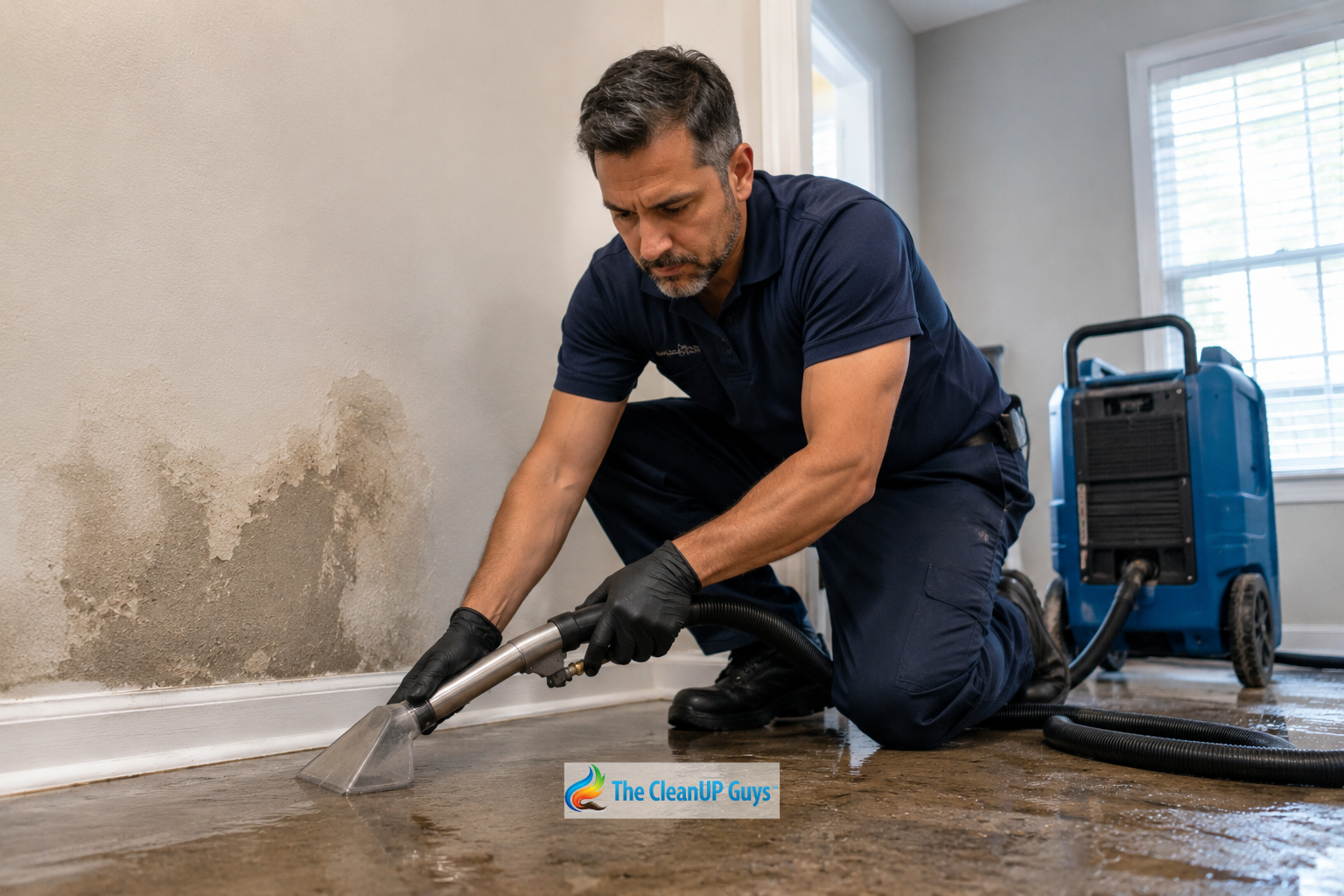
Drying isn't just about making the floor feel less wet. Real drying means pulling moisture out of materials and the air. Fans, dehumidifiers, and controlled ventilation all help, but they must be used correctly. The goal is to speed up evaporation and then remove the moisture from the environment before it reabsorbs into walls, cabinets, or flooring.
Modern restoration teams use moisture meters and thermal imaging cameras to identify hidden pockets of dampness. This technology has become a major advancement because it improves accuracy and reduces unnecessary demolition. According to restoration best practices, targeted drying can shorten recovery time and improve outcomes, especially when the damage is discovered early.
Remove wet materials only when necessary.
Not every wet item must be thrown out, but some materials hold water so deeply that they can't be dried safely. Carpeting pad, swollen particleboard, saturated drywall, and insulation often need removal if they stay wet too long. The best approach depends on the type of water, the duration of exposure, and the condition of the material.
For example, clean water from a broken supply line may allow more salvage than gray or contaminated water from a backup or flood. If mold is already suspected, the job may also require mold removal to protect indoor air quality and prevent the problem from returning after the visible water is gone.
When DIY Is Enough and When to Call a Professional
Small clean-water incidents may be manageable.
A very small leak, like a minor appliance drip or a spill caught quickly, may be handled by a homeowner if the area dries fully within a short time and no structural materials are affected. Even then, monitor the space for odors, discoloration, soft spots, or recurring dampness. Water damage often looks simple at first and then reveals itself later.
If you choose to handle a minor incident yourself, keep the area ventilated, check moisture levels over the next few days, and make sure baseboards, subfloors, and hidden corners are completely dry. If the humidity stays high or the smell changes, stop treating it as a small problem.
Call restoration professionals for anything beyond the basics.
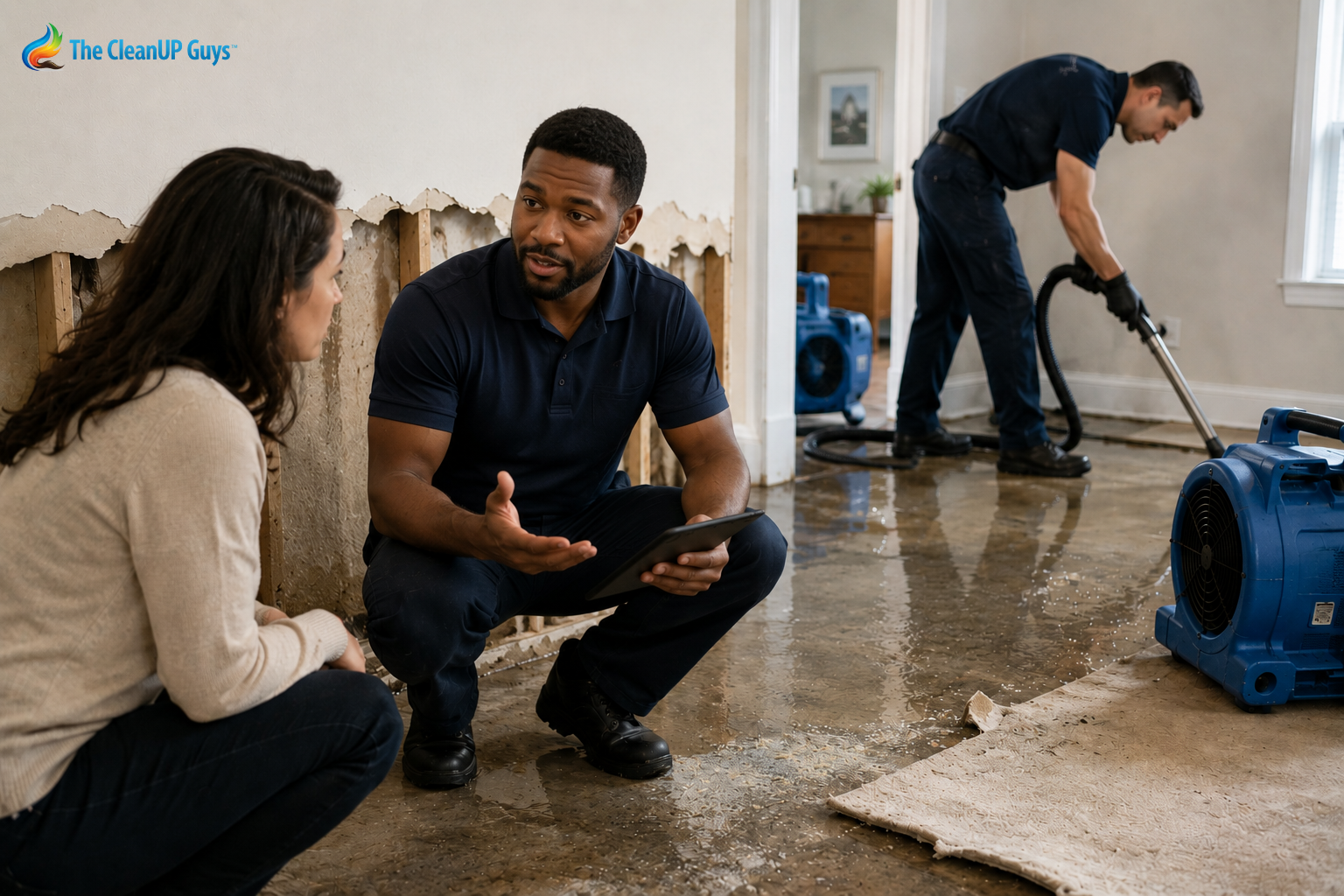
Professional help is the right choice when the damage involves multiple rooms, ceiling leaks, soaked drywall, contaminated water, electrical risk, or signs of mold. Certified technicians have extraction systems, drying equipment, sanitizing solutions, and the experience to assess the full scope of damage. They also know how to protect unaffected areas so the problem doesn't spread during cleanup.
For homeowners who want the most complete response, emergency water damage restoration combines inspection, water extraction, structural drying, and follow-up monitoring. That level of service is often the difference between a manageable repair and a major renovation.
Real-World Examples of Fast Action
A burst pipe in a Chicago basement
Imagine waking up to find your basement flooded after a pipe burst overnight. The most effective response is to shut off the main supply, stay clear of standing water if electrical outlets are nearby, and begin documenting the damage. In a situation like this, quick extraction and structural drying can prevent costly framing and flooring issues. If the basement has long-term moisture concerns, follow-up support, such as basement cleaning, can restore the space and reduce odor problems.
This type of situation is especially common during cold weather when freezing temperatures stress plumbing. Seasonal preparation matters because frozen pipes can fail without warning, and once they do, water moves fast through lower levels of a building.
A roof leak during heavy rain
Now picture a commercial property with a leaking roof during a storm. The first step may be to place containers under the leak, move inventory or equipment away from the damaged area, and arrange temporary protection until repairs begin. A fast response prevents water from spreading into ceilings, insulation, and walls. For large properties, commercial restoration can help reduce downtime and keep operations moving while repairs are organized.
These examples show a common pattern: the faster the response, the less damage the property usually suffers. In both homes and businesses, delay is what turns one problem into many.
How Chicago Weather Raises Water Damage Risk
Frozen pipes and sudden temperature swings
In Chicago, winter conditions can place enormous stress on plumbing systems. Pipes exposed to cold air in basements, crawl spaces, and exterior walls are especially vulnerable. When frozen pipes burst, the resulting water can damage floors, furniture, and hidden building materials in minutes. Homeowners can reduce risk by insulating vulnerable pipes, sealing drafts, and keeping the heat on during extreme cold.
Spring rain and rapid thaw cycles also create pressure points. Roofs, gutters, and drainage systems need regular attention because poor maintenance can lead to leaks and interior water intrusion. A proactive plan is often much cheaper than emergency recovery.
Stormwater and basement vulnerability
Basements are naturally more vulnerable to seepage and flooding because they sit below grade. When drainage is poor or sump systems fail, water can move indoors quickly. That's why cleanup, dehumidification, and sanitation should begin immediately after any basement intrusion. For homeowners dealing with repeated basement moisture, prevention and follow-up restoration can protect both the structure and the indoor air.
If a sewer backup is involved, the response becomes even more serious because contaminated water requires specialized handling. In those cases, fast removal and disinfection are essential to keeping the home safe.
Common Questions Homeowners Ask
How do I know where the water came from?
Start by inspecting the most likely sources: under sinks, behind appliances, around toilets, along ceilings, and near exterior walls. If the source isn't visible, water may have traveled from another room or upper floor. Professional inspectors use moisture detection tools to trace the path and locate hidden leaks more accurately than a visual check alone.
Is it safe to stay in the home?
That depends on the type of water, the extent of the damage, and whether electrical or structural hazards are present. If the water is contaminated, if the house smells strongly of mildew, or if ceilings and floors look unstable, it may be safer to leave the area until it's inspected. When in doubt, prioritize safety over convenience.
Can I wait until tomorrow to deal with it?
Waiting usually increases the damage. The first 24 to 48 hours are critical because mold growth and material deterioration can begin quickly. Even if the water seems minor, moisture can remain trapped behind surfaces and continue causing problems after the visible puddle is gone.
A Practical First-24-Hour Checklist
Use this action plan right away.
- Shut off the water source if it is safe.
- Turn off electricity in affected areas only if you can do so safely from a dry location.
- Move valuables, electronics, and furniture away from the water.
- Take photos and video before cleanup.
- Begin drying with fans and dehumidifiers if the situation is safe and small.
- Call professionals for large, contaminated, or hidden damage.
- Contact your insurance company and keep all receipts.
This checklist is simple, but it works because it focuses on the order that matters most: safety first, documentation second, and drying third. The faster you complete these steps, the more likely you are to limit repair costs and reduce the chance of long-term damage.
Why Professional Help Often Saves Time and Money
Advanced tools improve results.
Restoration teams use specialized extraction units, air movers, dehumidifiers, thermal imaging, and moisture meters to dry homes thoroughly. These tools help locate hidden wet spots that homeowners may miss, especially behind walls or under floors. They also speed up the drying process in a controlled way, which improves the odds of saving building materials.
Eco-friendly restoration methods are also becoming more common. Many crews are now using lower-impact cleaning products and more efficient drying techniques to reduce waste while still restoring the property effectively. That combination of technology and environmental awareness reflects where the industry is headed.
Trained technicians reduce the chance of repeat problems
Water damage that isn't handled correctly often leads to recurring odors, hidden moisture, and mold growth. Certified technicians are trained to spot these risks early and create a clear plan for cleanup, drying, and repair. That experience matters when the damage is complex or when the source isn't obvious.
For homeowners who want a reliable next step, our team at The CleanUP Guys provides emergency response, cleaning, drying, and restoration support designed to limit damage and restore safe conditions quickly. If you're dealing with a serious issue, don't wait for the problem to spread further.
Final Thoughts and Next Steps
Act quickly, stay safe, and document everything.
Discovering water damage is stressful, but a calm and organized response can make the situation far more manageable. Start by making the area safe, stopping the source if possible, documenting the damage, and beginning the drying process. If the water is contaminated, the damage is widespread, or hidden moisture is likely, call restoration professionals right away.
If you need immediate help in Chicago, The CleanUP Guys are ready to respond with fast, professional support for water damage, mold concerns, sewage cleanup, and more. Learn more about our flood cleanup and restoration services, or contact us for urgent assistance. Acting now can protect your home, your health, and your budget.
For more educational resources, you may also find it helpful to review our guide on professional cleanup services after unexpected home damage. When water damage happens, the best outcome usually starts with the first decision you make.