
10 Warning Signs of Mold Toxicity
Learn the signs of mold in your Chicago home and in your body, what they really mean, and when a musty smell or a stubborn cough is telling you to act. Written with restoration experience since 1986.

What "mold toxicity" really means
If you have been feeling off, and it seems to ease when you leave the house, your home may be the reason. In older Chicago housing this is common. Vintage courtyard buildings, brick two-flats and three-flats, and finished basements trap moisture from radiator condensation, old plumbing, and summer humidity off the lake. That moisture is what mold needs to grow.
This guide covers the 10 warning signs of mold toxicity to watch for, split into signs of mold in your home and symptoms of mold exposure in your body. It also explains mold allergy versus "mold toxicity," when to call a doctor, and how The CleanUP Guys handle mold removal in Chicago. We have cleaned up water and mold in Chicago homes since 1986, and one call to (773) 885-8528 reaches a real person, not a call center.
Signs of mold in your Chicago home
These are the environmental clues. If you notice several, moisture is feeding mold somewhere you may not see.

1. Musty, earthy odor
A damp smell that returns after cleaning, often stronger after rain or when the HVAC runs, usually means hidden mold behind walls or under floors.
2. Water stains and discoloration
Yellow-brown spots on ceilings or walls, peeling paint, or bubbling drywall mark past leaks. Where water sat, mold often follows.
3. Visible mold growth
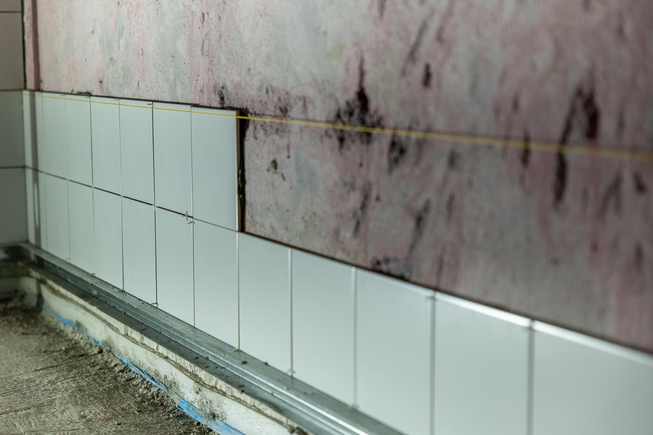
Fuzzy or patchy spots in green, white, gray, or black near basements, windows, and under sinks. Color does not tell you how risky it is; any growth means a moisture problem.
4. Warped wood or peeling wallpaper
Buckled floorboards, warped trim, or wallpaper lifting at the corners point to long-term dampness working behind the surface. If you are not sure whether it is mold or mildew, see our guide on mold vs mildew.
5. Recurring humidity problems
A basement that stays clammy, a bathroom fan that never clears the steam, or window condensation all keep indoor humidity high enough for mold.
Found any of these?
Do not disturb visible mold. Call us for a Chicago inspection: (773) 885-8528.
Symptoms of mold exposure in your body

These signs are your body reacting to spores and damp air. On their own they can point to many things, so watch for a pattern: symptoms that get worse indoors and ease when you leave. Allergy and asthma links are well established; broader effects are still being studied.
6. Nasal congestion, coughing, and sneezing
A stuffy or runny nose, postnasal drip, sinus pressure, and a cough that lingers, especially if it eases when you are away from the building, can reflect allergic inflammation from mold spores.
7. Fatigue, brain fog, and headaches
Many people in damp buildings report low energy, trouble concentrating, and recurring headaches. These are nonspecific, so they are worth raising with a doctor to rule out other causes, while you also address the moisture at home.
8. Irritated skin, rashes, and itchy eyes
Skin can flare with rashes, hives, or itching, and eyes may burn, water, or feel gritty. These are common irritation and allergy responses to airborne spores.
9. Worsening allergies or asthma
Mold is a known asthma trigger. More inhaler use, more frequent sinus infections, wheezing, or chest tightness at home are important signs. If breathing worsens, treat it as urgent.
10. Digestive upset, joint aches, or mood changes
Some people report nausea, bloating, unexplained aches, or mood changes such as irritability or low mood. These are less specific and can have many causes, so pursue a proper medical evaluation rather than assuming mold alone.
What are the weird or unusual symptoms of mold exposure?
Alongside the common signs, some people report stranger symptoms of mold poisoning in adults, such as a metallic taste, ringing in the ears, numbness or tingling, night sweats, or increased thirst. These are nonspecific and can come from many conditions, so they are worth mentioning to a doctor rather than assuming mold is the only cause.
Can mold cause neurological symptoms?
Neurological symptoms of mold exposure like brain fog, poor focus, and headaches are commonly reported in damp buildings. Research here is still developing, and doctors treat these as signals to check both your health and your home. If your thinking feels clearer when you spend time away from the property, that pattern is worth noting.
How do you test for mold in your body?
For a mold allergy, an allergist can run a skin prick or IgE blood test. For broader "mold toxicity," there is no single validated test. The Illinois Department of Public Health and the CDC point out that urine mycotoxin tests are not recommended, partly because they can pick up mold compounds from foods like nuts, grains, and coffee. The most reliable starting point is a home inspection to find the moisture source, plus a doctor visit for your symptoms.
Mold allergy vs. "mold toxicity"
Understanding the difference helps you take the right next step and avoid unproven products.
| Feature | Mold Allergy | "Mold Toxicity" |
|---|---|---|
| What it is | Immune reaction to inhaled spores | Broad symptom label tied to damp buildings |
| Evidence | Well established, testable | Debated; no single validated test |
| Testing | Skin prick or IgE blood test | No agreed gold standard; be cautious with marketed tests |
| Onset | Often quick after exposure | Reported as gradual and vague |
| First step | Avoidance, medication, sometimes immunotherapy | Remove the source, then see a doctor |
Who is most at risk in Chicago
Mold can bother anyone, but reactions tend to be worse for:
- Infants and children, and older adults
- People with asthma, COPD, chronic sinus issues, or allergies
- Anyone with a weakened immune system
- Households in damp basements, garden units, or buildings with a history of leaks or flooding
Many Chicago homes check more than one of these boxes, which is why a musty basement is worth taking seriously rather than ignoring.
What to do about mold in your home
The goal is simple: stop the moisture, remove the mold safely, and get medical advice for symptoms.

Fix the moisture
Repair leaks in pipes, roofs, and windows, and keep indoor humidity between 30 and 50 percent with dehumidifiers and good ventilation. Mold cannot grow without moisture.
Clean or remove
Small, non-porous spots can be cleaned per CDC clean-up guidance. Porous items like soaked carpet, drywall, and ceiling tiles usually must be discarded.
Call a professional
For growth larger than about 10 square feet, hidden mold, or if anyone has asthma or a weak immune system, bring in a certified team so spores are contained, not spread.
About "detoxes," binders, and extreme diets

Charcoal binders, strict "mold diets," and long supplement or antibiotic courses for vague symptoms are not standard care. The most reliable step is to remove the exposure and treat confirmed conditions like allergy or asthma with your doctor. If you want to try supportive habits such as better sleep, hydration, and an anti-inflammatory diet, that is reasonable, but discuss any product with a clinician first and be wary of anything sold as a mold "cure."
Does mold toxicity go away?
In most cases, allergy and irritation symptoms ease once the mold is removed and the moisture is fixed, often within days to weeks. Symptoms tend to linger only when the source is left in place, which is why removal comes first, not supplements.
Can you live in a house with mold?
You can stay in a home with a small, contained mold spot while you arrange cleanup, but living long term with active mold and damp is not a good idea, especially for children, older adults, or anyone with asthma or a weak immune system. If the growth is large or spreading, limit time in that area and get it handled quickly.
Chicago neighborhoods and suburbs we serve
Searching for mold removal near me in Chicago? Our crew reaches these areas for inspection and safe removal.
Mold usually follows a water problem. We also handle flood cleanup, sewage cleanup, and basement flooding cleanup across the same neighborhoods.
Frequently asked questions about mold
How long does it take to get sick from mold exposure?
It varies. Allergic reactions can start within minutes of exposure. Other symptoms may build over days or weeks of ongoing exposure and depend on the person, the amount of mold, and any existing conditions. Once the moisture and mold are controlled, allergy and irritation symptoms often improve within days to weeks.
How do I know if mold is affecting my health?
A useful clue is whether symptoms improve when you leave the building and return when you come back. Keep a simple diary of symptoms and where you were. For a clear answer, an allergist can run a skin prick or blood test for mold allergy, and your doctor can rule out other causes.
Can you recover from mold-related symptoms?
For most people, yes. The first and most important step is to remove the mold source from your environment. After that, confirmed conditions like allergic rhinitis or asthma are treated with standard medical care. Recovery is difficult if you keep living in a moldy space, which is why fixing the building comes first.
Does bleach kill mold effectively?
Bleach can help on hard, non-porous surfaces like tile, but it does not reach mold roots in porous materials like drywall or wood, so mold grows back. It also does not fix the moisture that caused the problem. For anything beyond a small surface spot, professional removal is safer and more lasting.
Is black mold more dangerous than other mold?
Color is not a reliable measure of danger. "Black mold" usually refers to Stachybotrys, but many molds are dark and not all are harmful to everyone. Any mold indoors signals a moisture problem that should be addressed promptly, regardless of color.
When should I call a professional in Chicago?
Call for growth larger than about 10 square feet, mold that returns after cleaning, a strong musty smell with no visible source, mold after major water damage, or any mold when someone in the home is immunocompromised, elderly, or has asthma. The CleanUP Guys are IICRC certified and available 24/7 at (773) 885-8528.
How long does it take to get mold out of your system?
There is no set timeline, and no proven "detox" speeds it up. Once you are out of the moldy environment, allergy and irritation symptoms usually settle over days to a few weeks. Anything persistent should be checked by a doctor to rule out other causes.
What should you drink or take for mold exposure?
There is no special drink or supplement proven to cure mold-related symptoms. Staying hydrated and eating normally is fine, but the real fix is removing the mold and treating confirmed conditions like allergy or asthma with your doctor. Be cautious with products marketed as mold detoxes.
What are the signs of mold in a house?
The clearest signs of mold in a house are a musty odor, water stains or discoloration, visible growth near basements, windows, and bathrooms, warped wood or peeling paint, and rooms that stay humid. Any of these means moisture is feeding mold somewhere.
Worried about mold in your home?
Get an honest inspection from a team that has handled Chicago water and mold since 1986. We find the moisture, remove the mold safely, and document everything for insurance.
Do not wait on mold
The sooner you find the moisture and remove the mold, the better for your home and your health. Talk to a real person now.
Call (773) 885-8528