
Moisture Mapping for Water Damage
Moisture mapping is how a restoration crew finds every wet spot after a leak or flood, measures how deep the water went, and proves the home is dry before repairs start. Here is how it works, what tools we use, and what it means for your Chicago home.
What is moisture mapping?
After a burst pipe or a flooded basement, the water you can see is only part of the problem. Water travels. It wicks up drywall, slides under flooring, and soaks into wall cavities where nothing looks wrong from the outside. If that hidden moisture is left behind, it turns into mold, warped floors, and rotted framing weeks later.
Moisture mapping solves that. By taking moisture readings across the whole affected area and marking them on a map, we can see exactly how far the water spread, how deep it went, and whether it is drying the way it should. It takes the guesswork out of a water damage job.
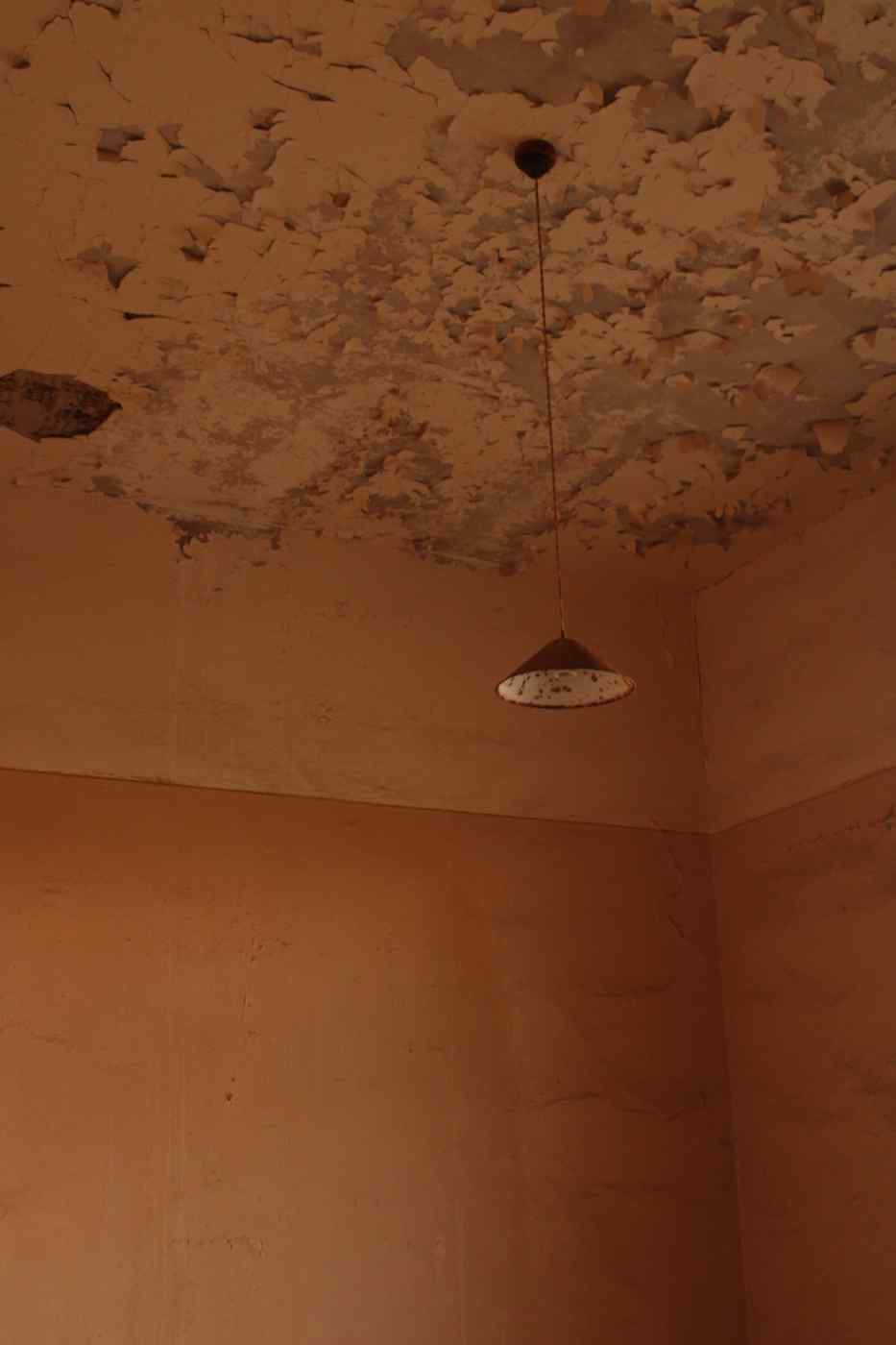
Why moisture mapping for water damage matters
In 40 years of water damage restoration across Chicago, the jobs that go wrong are almost always the ones where someone dried what they could see and stopped there. Moisture mapping is what keeps that from happening.
Water damage moisture readings show what the eye cannot
Water damage moisture readings are the numbers behind the map. A moisture meter records the exact moisture content of drywall, wood, and concrete, so instead of guessing, we know a wall reads 38% when dry material in the same home reads 12%. Those readings tell us what is wet, how wet, and when it is finally dry.
- Finds hidden water. Readings inside walls and under floors reveal moisture you cannot see or feel by hand.
- Traces where the water traveled. We follow the water from its source through the building so nothing gets missed.
- Sets a real drying goal. We compare wet areas to a dry standard (an unaffected part of the same home) so we know the target.
- Proves the home is dry. Repeat readings over several days show the drying is working and confirm when it is truly done.
- Prevents mold. Mold can start in 24 to 48 hours. Mapping catches the damp pockets where it would otherwise grow.
How moisture mapping works, step by step
A contained, documented process built on the IICRC S500 water damage standard.
Find the Source
We locate where the water came from and shut it off, then trace how far it migrated through walls, floors, and ceilings.
Scan with Infrared
A thermal imaging camera shows temperature differences that point to wet areas, giving us a fast wet-or-dry picture of the whole room.
Take Moisture Readings
We verify every suspected area with moisture meters, recording the actual moisture content in the drywall, wood, and concrete.
Plot the Map
Readings go onto a grid over a photo or floor plan, so the wet zones and dry zones are laid out clearly for you and your insurer.
Set Equipment
Air movers and dehumidifiers are placed based on the map, aimed at the wet spots that actually need them.
Re-map Daily
We re-read the same points each day. When every reading hits the dry standard, drying is done and repairs can start.
What is moisture mapping used for?
- Find hidden water. It shows wet spots behind drywall, under floors, or inside ceilings that look completely dry on the outside.
- Stop mold. It pinpoints damp areas at risk for mold growth so they can be dried before mold starts, which can happen in 24 to 48 hours.
- Guide drying. It gives the crew a clear plan for where to place fans and dehumidifiers, so equipment targets the areas that are actually wet.
- Prove it is dry. Repeat readings over several days confirm the structure reached a dry standard before any repairs begin.
Moisture detection tools we use
The right reading depends on the right tool for the material.
Infrared Camera
Thermal imaging spots temperature differences from evaporating water, giving a fast visual of suspected wet areas across a whole wall or ceiling.
Non-Invasive Moisture Meter
A pinless meter reads moisture up to about an inch deep without leaving a mark. We use it to scan drywall, plaster, and brick quickly.
Pin Moisture Meter
Pin probes measure the actual moisture content in wood and framing, and confirm exact readings the pinless meter flags as suspect.
Thermo-Hygrometer
This tracks the air itself: temperature, relative humidity, dew point, and grains per pound, so we know the room conditions our dryers have to beat.
RH Probe
A relative humidity probe reads moisture deep inside wall cavities and tight crevices where a surface meter cannot reach.
Mapping App
Readings are logged into a moisture mapping app that plots them on a grid over a photo, then tracks the same points day by day.
Moisture readings and your insurance claim
A moisture map is not just a work tool. It is proof. Water damage moisture readings, recorded on the same points over several days, show an insurance adjuster exactly what was wet, how wet it was, and that it dried properly.
We document every reading with dates and photos. When your insurer asks why a section of drywall had to come out or why drying took five days instead of two, the map answers it. This protects your claim and takes the argument out of the process.
How much does moisture mapping cost?
Most restoration companies include it as part of the water damage assessment.
| Situation | Typical Range | Notes |
|---|---|---|
| Standard inspection | Often free | Most restoration crews, including us, map moisture as part of a free water damage inspection. |
| Standalone moisture survey | $150 - $400 | If you only want an assessment and report, not full restoration. |
| Part of a full job | Included | Built into the restoration estimate, and usually covered by your insurance claim. |
At The CleanUP Guys, moisture mapping comes with every free water damage inspection in Chicago. You get the readings and the plan at no cost.
Moisture mapping in Chicago basements and older homes
Chicago housing makes hidden moisture especially common. Many homes here have old basements with block foundations that wick water, plaster walls that hold moisture differently than modern drywall, and additions where two building styles meet.
Freeze and thaw cycles crack foundations. Summer humidity keeps basements damp. A pipe that bursts in a January cold snap can send water through wall cavities that stay wet for weeks. In these homes, a quick look is never enough. Moisture mapping is the only reliable way to know what the water actually did.
We map moisture across Chicago and the nearby suburbs, from North Side two-flats and Lincoln Park brownstones to homes in Evanston, Oak Park, and Skokie. It is a core part of how we handle water damage restoration, basement flooding, and ceiling water damage jobs.
Moisture mapping terms worth knowing
A few terms come up on every water damage job. Moisture content is the percentage of water in a material. Relative humidity and dew point describe the moisture in the air that your dehumidifiers have to lower. Hygroscopic materials like drywall and wood soak up and hold water, which is why they need mapping. The dry standard is a reading taken from an unaffected part of the same home, and it is the target every wet reading has to reach. A Class and Category of water loss, set by the IICRC S500 standard, tell us how much material is wet and whether the water is clean, gray, or contaminated.
Moisture mapping FAQ
Straight answers to what homeowners ask us most.
What is moisture mapping in water damage restoration?
It is the process of measuring moisture inside walls, floors, and ceilings after water damage and plotting those readings on a diagram. It shows where water spread, tracks drying progress, and confirms the building is fully dry before repairs, which prevents mold and hidden structural damage.
How do you do moisture mapping?
You find the water source, scan the area with an infrared camera to spot suspected wet zones, then verify each one with moisture meters. The readings are plotted on a grid over a photo or floor plan, and the same points are re-read daily until every reading reaches the dry standard.
What tools are used for moisture mapping?
The main tools are infrared thermal cameras, non-invasive pinless moisture meters, pin-type moisture meters, thermo-hygrometers, and relative humidity probes. Infrared finds suspect areas fast, and the meters confirm the actual moisture content in drywall, wood, and concrete.
Why is moisture mapping important?
Because water hides. It travels inside walls and under floors where you cannot see or feel it. Without mapping, that trapped moisture leads to mold within 24 to 48 hours and to rot and warped materials later. Mapping finds it, guides drying, and proves the job is done.
How much does moisture mapping cost?
Most restoration companies include moisture mapping in a free water damage inspection. A standalone moisture survey with a report typically runs from about 150 to 400 dollars. As part of a full restoration job, it is built into the estimate and usually covered by insurance.
Does moisture mapping help with insurance claims?
Yes. Dated moisture readings and a visual map document the full extent of the damage and prove the structure was dried to standard. Adjusters rely on this evidence, so a good moisture map can speed up your claim and reduce disputes over what was covered.
How is moisture mapping connected to mold?
Mold needs moisture to grow, and it can start within 24 to 48 hours of water exposure. Moisture mapping finds the damp, hidden pockets where mold would take hold, so they can be dried out before growth begins. It is one of the best ways to prevent mold after water damage. If mold has already started, our mold removal in Chicago team can handle it.
Sherman has led The CleanUP Guys since 1986 and has personally handled water damage, moisture mapping, and structural drying jobs across Chicago for 40 years. Our crew is IICRC certified to the S500 water damage standard and documents moisture readings on every job. This guide is reviewed and kept current by our team so what you read here matches what we actually do on site.
Worried about water you cannot see?
If you have had a leak, a burst pipe, or a flooded basement in Chicago, we will come out, map the moisture, and tell you honestly what is wet and what needs drying. No pressure, no charge for the inspection.
Chicago's water damage crew since 1986
Real moisture readings, honest drying plans, and full documentation for your insurance. Family owned, IICRC Certified (#94208), and here when you need us.
Call (773) 885-8528