Why Speed Matters in Emergency Cleanup
When you're dealing with a flood, fire, sewer backup, or biohazard incident, every second counts. Acting fast can mean the difference between a cleanup that's manageable and one that turns into a major restoration project with long-term consequences for your health, wallet, and home's structure. That’s why quick action in emergencies is crucial.
For homeowners and businesses, the priority is always to minimize further damage and restore safe conditions as quickly as possible. Services like water damage restoration and sewage cleanup are most effective when professionals step in early, before contamination spreads or moisture leads to mold growth. Often, the initial hours are key to shaping the entire recovery process.
According to the Federal Emergency Management Agency, delays in taking protective actions during disasters can lead to a chain reaction of damage. This is especially true in restoration work, where standing water, smoke residue, and hazardous waste can quickly worsen. Here’s what you need to know about why speed is so important, what an effective emergency response looks like, and how to choose the right cleanup partner to protect your property when it matters most.
The Cost of Waiting After an Emergency
Damage Spreads Faster Than You Think
After disaster strikes, damage rarely stays put. Water seeps under floors, smoke residue travels through vents, and contaminated materials can impact areas far beyond the source. Even a short delay can allow moisture to penetrate walls, insulation, and framing, making cleanup more complex.
This is why a prompt response for flood cleanup or fire damage restoration is crucial. Once materials absorb water or soot, they become more difficult and costly to restore. Quick action limits the affected area and often reduces the need for demolition or major reconstruction.
Delays Increase Costs
Research shows that acting fast helps control recovery costs. The longer a property stays wet, contaminated, or exposed, the more likely secondary damage will occur. This can include warped floors, stained finishes, mold growth, and more.
According to the Centers for Disease Control and Prevention, controlling moisture is key since damp environments can foster mold growth. In practical terms, a quicker response usually means less cleanup, fewer repairs, and less downtime for the property owner.
How Emergency Cleanup Services Reduce Risk
Immediate Action to Protect the Property
The first step in any emergency cleanup is containment. Technicians isolate the hazard, stop the source if possible, and protect unaffected areas from cross-contamination. This might involve sealing off rooms, extracting standing water, or removing dangerous materials from the site.
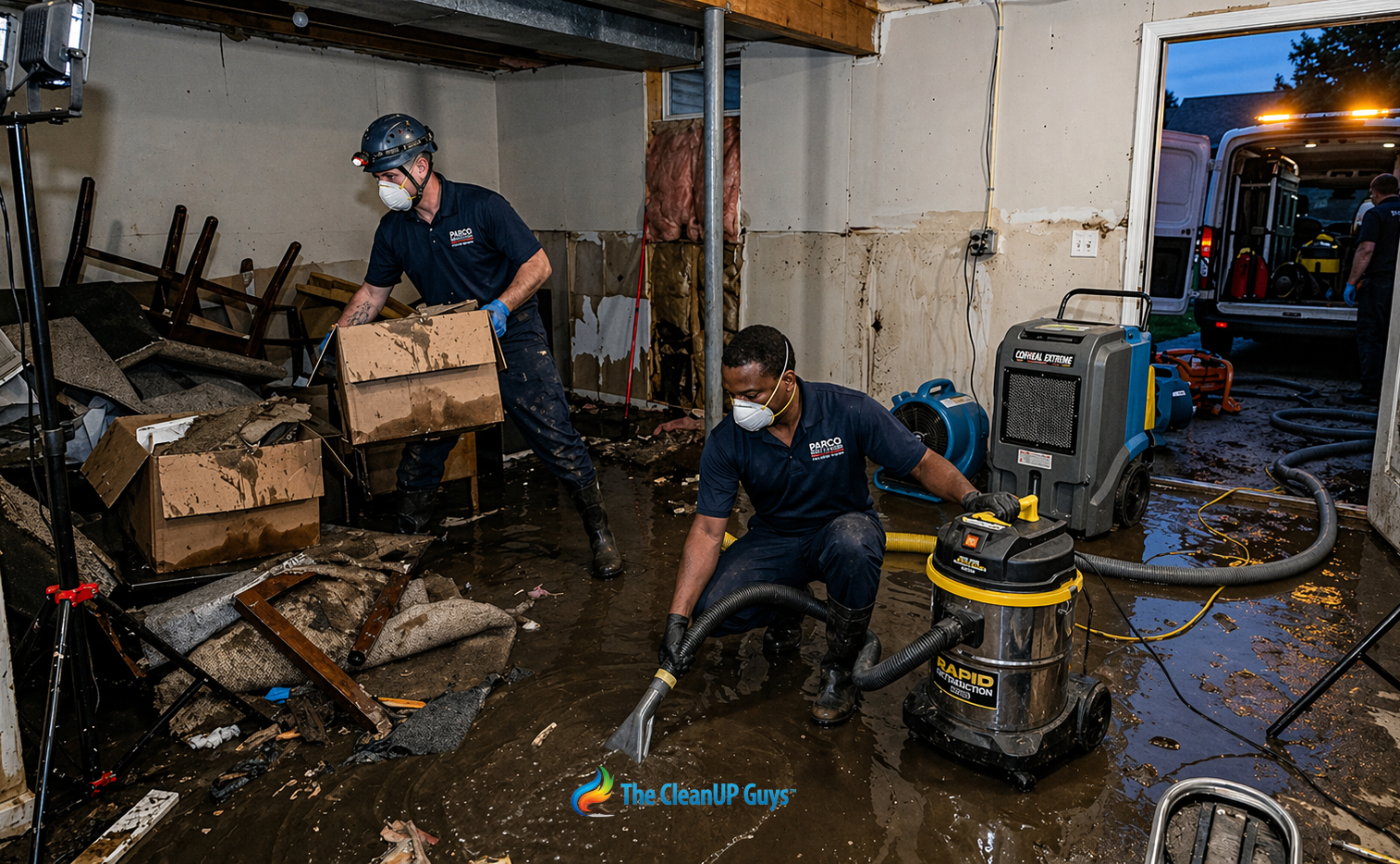
For example, in the case of a sewer backup, quick intervention through professional sewage cleanup can prevent contamination from spreading to other areas. Similarly, in a fire, immediate containment during fire damage restoration helps preserve more of the structure and contents.
Fast Drying and Sanitation Prevent Secondary Damage
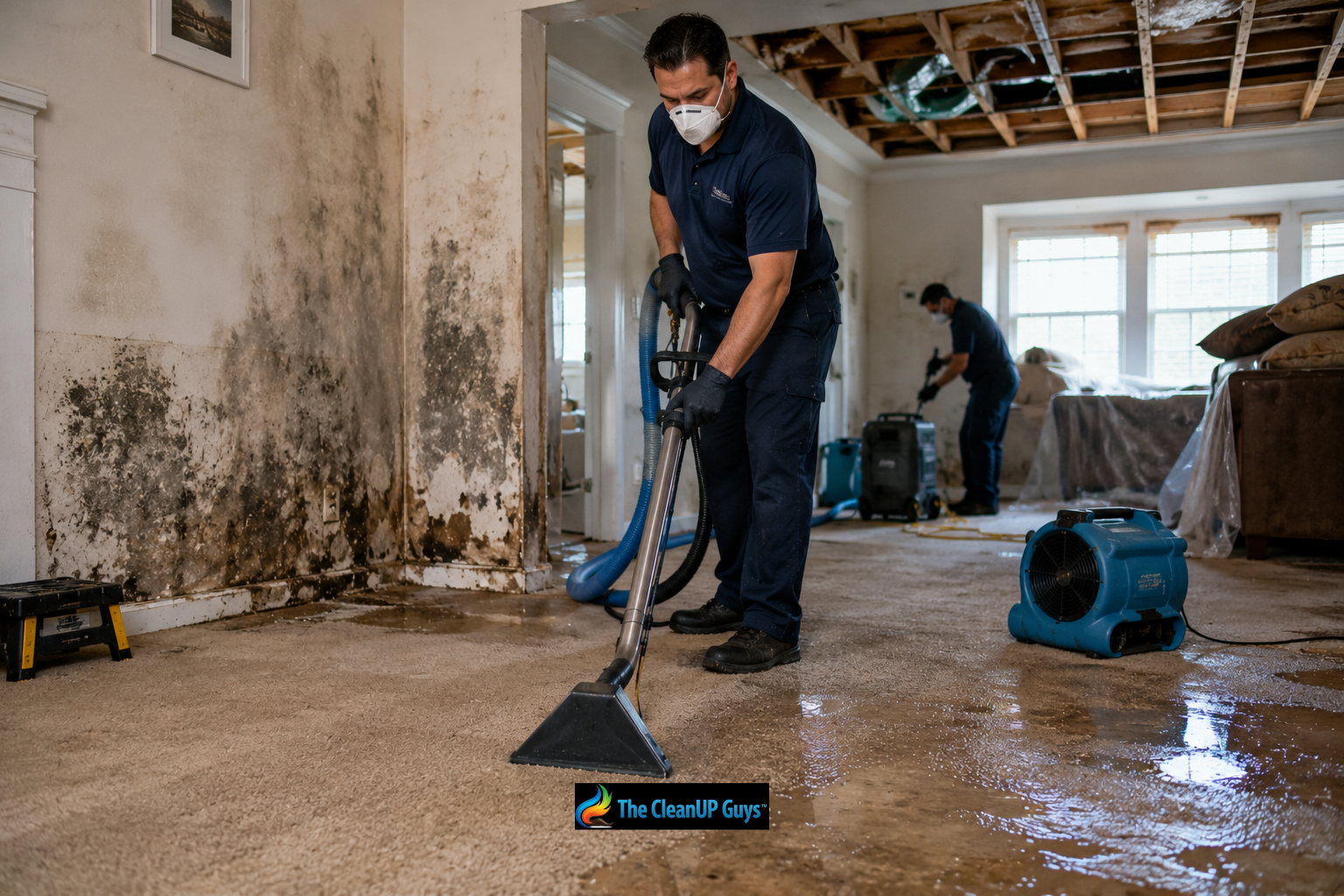
After stabilization, the focus shifts to drying, cleaning, and sanitizing. This step is crucial because hidden moisture can remain even after visible water is removed. Industrial fans and dehumidifiers speed up drying, ensuring the structure is safe.
When cleanup starts quickly, services like flood cleanup and basement cleaning can prevent lingering dampness from turning into mold or odors. The goal is to restore healthy indoor conditions and prevent recurring issues.
Trends in Faster Emergency Response
Real-Time Dispatch Improves Arrival Times
The restoration industry is increasingly tech-driven. Many companies now use real-time dispatch software and GPS tracking to find the nearest available crew and send them out without delay. This reduces response times and aligns the right personnel with the right emergency.
This is especially valuable in large service areas where teams may handle multiple calls at once. Instead of guessing who's closest, dispatch teams make fast, data-informed decisions, improving the chances of arriving during the critical early window before damage worsens.
Pre-Packed Emergency Kits Enhance Efficiency
Another trend is using pre-packed emergency kits and standardized response gear. Crews arrive ready to start extraction, sanitizing, and containment immediately, saving valuable time that would be lost gathering supplies.
This readiness ensures consistency. Whether dealing with a water leak, biohazard event, or fire, technicians can follow structured procedures and deploy equipment efficiently. This level of preparedness is key in both commercial restoration and residential emergency response.
24/7 Availability Is Now Expected
Emergencies don’t wait for business hours. That’s why round-the-clock support is now standard in restoration. A staffed emergency line allows property owners to report issues immediately, start documentation, and trigger a response before things get worse. Often, the difference between significant and limited damage is how quickly a call is answered.
For property owners, having a provider with true 24/7 availability is crucial. It’s a significant factor in protecting your home, business, and budget. Immediate communication can also ease insurance coordination by starting records right away.
Different Types of Cleanup and Why Speed Matters
Water Damage Restoration
Water is incredibly destructive because it spreads quickly and affects many materials at once. Things like drywall, carpet padding, and insulation can absorb moisture fast. That’s why professional water damage restoration should start as soon as possible after a leak or storm-related intrusion.
Quick response limits swelling, staining, microbial growth, and structural deterioration. It also improves the chances of saving contents like furniture and electronics. The earlier the team arrives, the more likely restoration can occur without major demolition.
Fire and Smoke Damage Cleanup
After a fire, the flames are only part of the problem. Smoke particles can travel deep into the structure, and soot can leave corrosive residue on surfaces. Quick cleanup reduces staining and addresses odor before it becomes embedded.
Rapid fire damage restoration also helps manage water damage from firefighting efforts, which can compound the loss. Quick drying, debris removal, and detailed cleaning reduce the overall project scope and help return to normal operations faster.
Biohazard and Sewage Cleanup
Biohazard incidents require quick action due to exposure risks. Sewer backups and contaminated water contain harmful waste that should never be handled without proper training. Professional sewage cleanup removes contamination, disinfects surfaces, and restores safe conditions.
Speed is crucial here for both property protection and health. The longer hazardous material sits, the greater the risk of airborne contamination and lingering odors. Speed is as much a safety issue as it is a restoration issue.
What a Strong Emergency Cleanup Response Looks Like
Quick Assessment and Action
The first step after arrival is a thorough assessment. Skilled technicians identify the emergency source, inspect damage, and prioritize risk areas. This determines what needs immediate attention—whether it’s extraction, cleaning, or drying.
While the assessment isn’t rushed, it’s efficient. The aim is to make smart decisions quickly to protect the structure and stop damage progression. A thorough inspection also helps create a realistic timeline, offering property owners clear expectations from the start.
Strategic Use of Resources
An effective team knows how to deploy people and tools where they’re needed most. Equipment like high-powered extraction units and dehumidifiers must be used in the right order. This resource management helps the crew work quickly without missing critical steps.
For larger losses, like a commercial flood, this strategy is even more important. A coordinated plan allows the team to stabilize the most damaged areas first while keeping the rest of the property secure. This is an advantage of commercial restoration services experienced in phased recovery.
Clear Communication Throughout
Speed is only valuable when paired with communication. Property owners need to know what’s happening, what’s next, and how long things might take. Regular updates reduce stress and help people make informed decisions about access and relocation.
Professional teams also communicate about safety concerns, like when an area should remain closed. This transparency builds trust and helps everyone stay aligned during a difficult time. Clear communication can be just as important as the physical cleanup itself.
Case Study: Quick Flood Response in a Commercial Facility
Fast Action Prevented Structural Damage
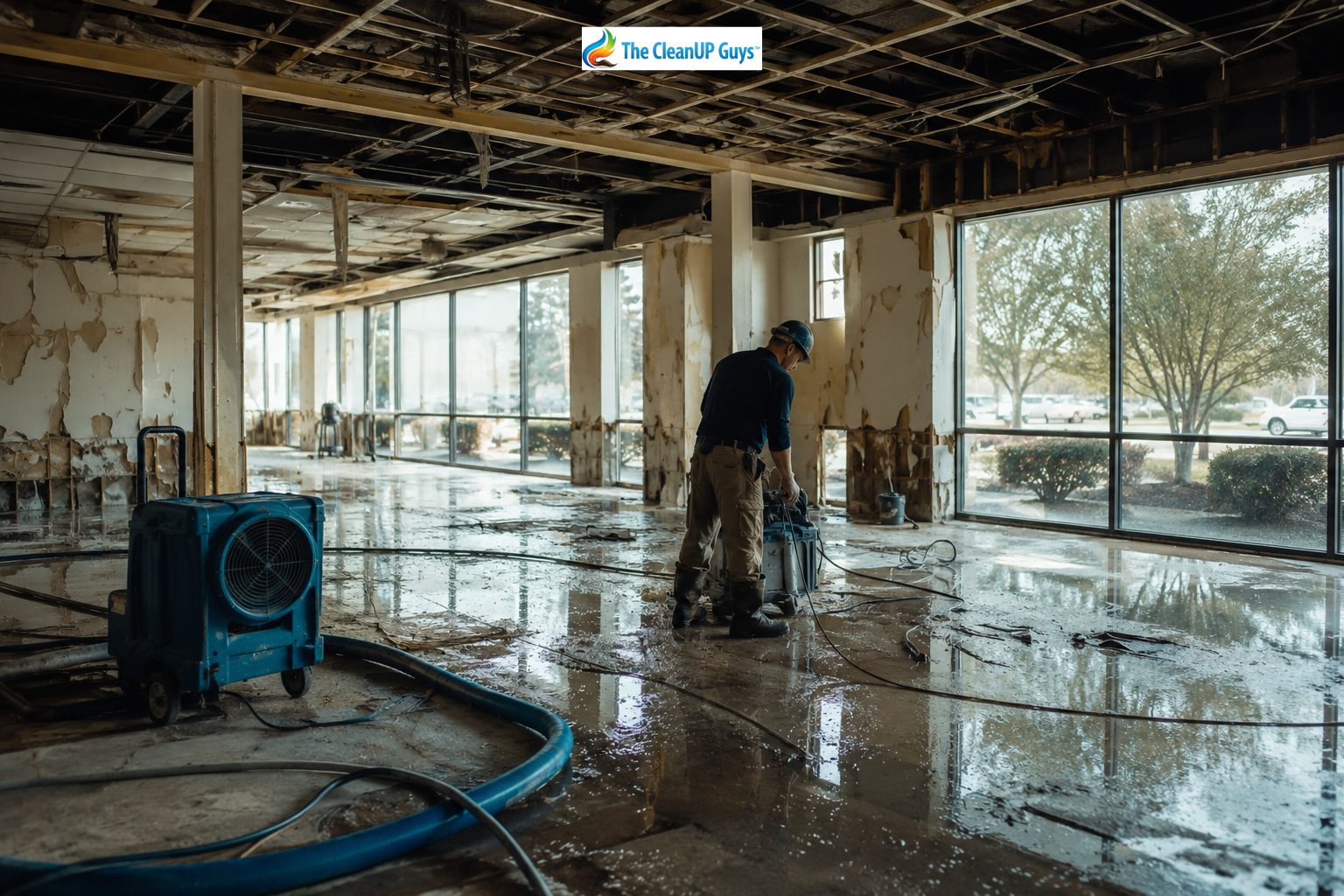
Imagine a commercial facility flooded after a severe storm. Water entered overnight, but the response team arrived within hours. Because they acted quickly, they began water extraction before moisture could penetrate deeper into the building materials.
This fast action limited damage to the most affected areas, preventing widespread saturation. Fewer surfaces needed removal, and fewer systems were affected. This shows why emergency planning and quick response are crucial in flood cleanup situations.
Quick Drying Reduced Business Interruption
After extraction, the team set up drying equipment and tracked moisture readings to stabilize the structure quickly. Because the response was immediate, the business resumed operations faster than if the water had lingered. Less downtime meant less financial loss.
This outcome highlights the value of emergency readiness. A fast, organized response doesn’t just clean a property; it preserves continuity and reduces operational disruption. For businesses, it can mean the difference between a temporary setback and a prolonged closure.
Health, Safety, and Compliance
Reducing Exposure to Contaminants
In many emergencies, the risk involves not just structural damage but also potential exposure to harmful substances. Sewage, mold, smoke residue, and floodwater may contain irritants that should be addressed immediately. The sooner the cleanup begins, the less time people spend in an unsafe environment.
For general public health guidance on mold and moisture, the U.S. Environmental Protection Agency offers practical information about prevention and cleanup. Quick professional intervention supports these principles by reducing conditions that allow hazards to spread.
Supporting Insurance and Documentation
Rapid response also helps with documentation. Technicians can photograph conditions, record moisture levels, and outline steps taken to stabilize the property. This can be helpful during insurance claims and reduce disputes about the extent of damage.
Delays complicate documentation, as the original property condition becomes harder to verify. When mitigation starts promptly, records better reflect what happened and how cleanup progressed, simplifying recovery for everyone involved.
Chicago Property Owners: Local Response Matters
Local Teams Arrive Faster
In a city with severe weather and dense neighborhoods, local response makes a big difference. Nearby teams can arrive quickly, which is vital when water spreads, sewage backs up, or fire damage needs immediate attention. In emergencies, proximity matters.
For owners seeking water damage restoration, mold removal, or sewage cleanup, choosing a provider with local knowledge can improve outcomes. Familiarity with building layouts and weather patterns supports a faster, more targeted response.
Preparedness Builds Resilience
Chicago property owners should prepare for emergencies before they happen. Building a relationship with a trusted restoration provider can save time during a crisis. Having a contact ready, along with basic documentation and planning, reduces panic and delays.
Preparedness is especially important for commercial facilities and older homes where damage can spread quickly. A proactive relationship with a restoration team is one of the easiest ways to improve response speed during an emergency.
Choosing the Right Emergency Cleanup Partner
Look for 24/7 Readiness
Ask if the company truly responds around the clock. A real emergency provider dispatches crews quickly and explains the next steps. If the process feels unclear, consider it a warning sign.
Also inquire about arrival times, service coverage, and whether technicians have the tools needed to start mitigation immediately. A company prepared from the moment it arrives usually offers more efficient service than one that gathers equipment on-site.
Check Training and Experience
Fast response shouldn’t mean sacrificing quality. Look for certified technicians who understand contamination control and structural drying. Experience matters because emergency work requires sound judgment under pressure.
A well-trained team quickly decides which areas need protection and which hazards require immediate removal. If evaluating options for mold removal or fire damage restoration, ask about their approach to assessment and communication.
Expect Clear Updates
The right cleanup partner provides a plan you can understand. This includes what will be done first, risks involved, how long mitigation may take, and what restoration will look like. Good communication helps you stay in control during a stressful event.
Professional teams explain when it’s safe to return and how to avoid repeat damage. This is especially valuable during larger losses affecting multiple areas or systems.
Final Thoughts: Fast Response Protects Property and Peace of Mind
The First Hours Matter Most
Whether the emergency involves water, fire, mold, sewage, or storm damage, the first hours shape the recovery. Fast response limits damage, lowers risk, controls costs, and shortens the return to normal life. It also gives property owners more options because more materials and systems can often be saved.
Emergency cleanup services focus on readiness, speed, and professionalism. The better prepared the team, the better the outcome for the property owner. When every minute counts, a structured response prevents a temporary problem from becoming a major loss.
Take Action Before a Disaster
If you own a home or manage a business, identify a trusted cleanup partner before an emergency occurs. Save emergency contact information, understand your coverage, and know which services you may need in a crisis. Planning helps you respond decisively when pressure is high.
For reliable help with urgent cleanup needs, explore our commercial restoration and residential emergency services. If you’re facing a sudden issue now, don’t wait; immediate action can protect your property, reduce costs, and restore safety sooner.
Call The CleanUP Guys today for fast emergency response and expert cleanup support when you need it most.