
What to Do After a House Fire in Chicago
Your home just burned and your head is spinning. Take a breath. This is the calm, step-by-step plan to get through the first hours and start putting your home and life back together.
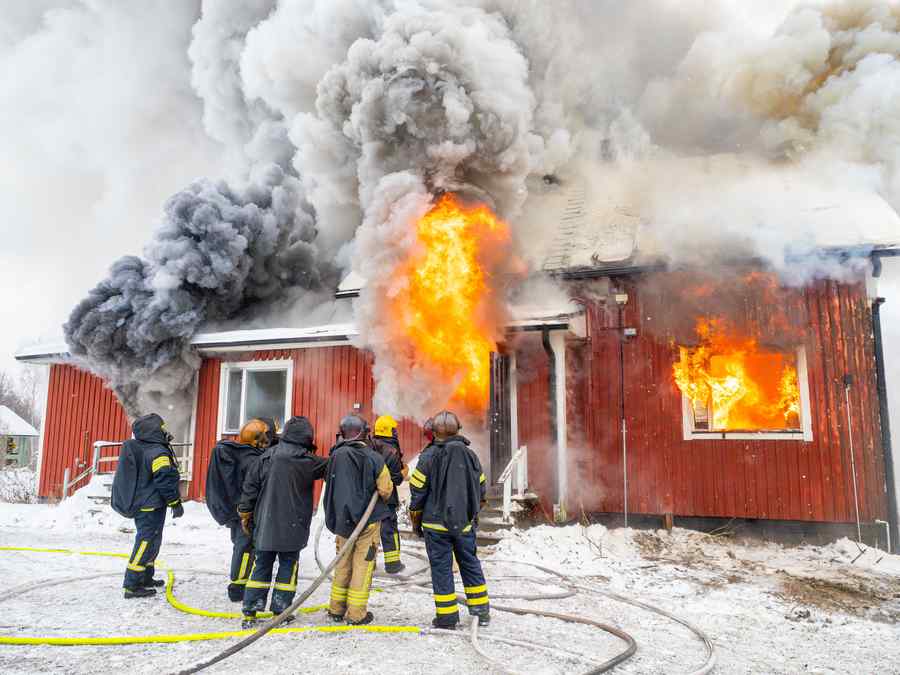
We're The CleanUP Guys, a family-owned Chicago restoration company that's been showing up on people's worst days since 1986. If you're reading this from a friend's couch or the front seat of your car, we're sorry you're here. The good news is a house fire, even a bad one, has a clear path out. You just need to take it one step at a time.
This guide walks you through exactly that: the first 24 hours, how to file your insurance claim so nothing gets left on the table, what to do if you don't have insurance, real cleanup costs in Chicago, and the local steps most out-of-town guides never mention. Read what you need, call us when you're ready, and we'll take it from there.
The First 24 Hours After a House Fire
The hours right after a fire feel like a blur. Here's the order that keeps everyone safe and protects your claim. Work down the list, and don't skip the medical check even if you feel fine.
- Account for everyone, people and pets. Do a headcount away from the house. Pets often hide, so tell firefighters if one is missing rather than going back in yourself.
- Get medically evaluated. Smoke inhalation and carbon monoxide don't always show symptoms right away. If anyone was inside during the fire, have them checked, even for a cough or headache.
- Do not re-enter until the fire department clears the home. A house can look fine and still have a weakened floor, hidden hot spots, or unsafe air. In Chicago, wait for CFD to give structural clearance before anyone steps inside.
- Let family know you're safe. One quick message saves everyone a panic and frees you to focus.
- Call your insurance company. Open the claim as soon as you can, even before you know the full damage. Ask right away about emergency funds for a hotel, food, and clothes.
- Reach out for a safe place to stay. The American Red Cross of Greater Chicago provides emergency lodging after home fires. Your insurer's Additional Living Expenses coverage may reimburse a hotel too.
Secure the Property and Prevent More Damage
Once the fire is out, the damage isn't done. Open windows let in rain, snow, and animals, and firefighting water soaks into drywall and floors within hours. Locking the home down fast keeps a bad situation from getting worse, and insurers expect you to take reasonable steps to prevent further loss.
Emergency board-up and roof tarping
Broken windows, burned-out doors, and holes in the roof all need to be covered right away. In Chicago, a fire-damaged home that sits open can also run into the city's vacant-building and board-up rules, so this isn't only about weather. We handle emergency board-up and tarping the same day, and it's almost always covered by your policy.
Shut off gas, water, and electricity
Utilities usually get cut during the fire, but don't turn anything back on yourself. Wait until a licensed pro or the utility confirms the lines and wiring are safe. Turning power on too early can start a second fire from heat-damaged wiring.
Notify your mortgage lender
If you have a mortgage, your lender has an interest in the property and often needs to be listed on insurance payouts. A quick call now prevents a paperwork headache later.
Insurance and Documentation: How to File Your Claim
This is the part most guides skip, and it's where families leave the most money on the table. A homeowners fire claim has a real lifecycle. Follow it in order and document everything, and you'll recover far more than someone who just "calls their agent" and waits.
1. File your claim (First Notice of Loss)
Call your insurer within 24 hours and open the claim. This first report is called the First Notice of Loss. Write down your claim number and the name of every person you speak with.
2. Ask about Additional Living Expenses (ALE)
If your home is unlivable, most policies cover Additional Living Expenses, the cost of a hotel, meals, and other basics while you're displaced. Ask for an advance so you're not paying out of pocket, and keep every receipt.
3. Document everything before you touch it
Once CFD clears the home, take wide photos and slow video of every room, closet, and damaged item before anything is moved or cleaned. This footage is your proof. If it's gone before the adjuster sees it, it's gone from your claim.
4. Create a home inventory
List damaged belongings room by room with a rough age, brand, and value. Old receipts, credit card records, and even social media photos help prove what you owned. This contents list drives your personal property payout.
5. Request the official fire report
You'll need the Chicago Fire Department incident report for your claim. Request it through the city so your file has the official cause and date on record. Insurers ask for it, and having it early speeds everything up.
6. The adjuster visit and proof of loss
The insurance adjuster inspects the damage and estimates the payout. Be present, share your photos and inventory, and don't feel rushed to sign a "proof of loss" you don't understand. If the offer feels low or the claim is large, you can hire a licensed public adjuster who works for you, not the insurer. Illinois regulates public adjusters, so confirm they're licensed in the state.
7. Save every single receipt
Hotels, meals, clothes, a rental car, cleaning supplies. If it's a fire-related expense, keep the receipt. Many are reimbursable, and shoeboxes of receipts have paid for themselves many times over.
What Not to Do After a House Fire
A few well-meaning moves can cost you money, damage your claim, or hurt your health. Avoid these until the right people have signed off.
- Don't clean or throw anything away before the adjuster inspects. Even ruined items are proof of loss. Wait for the green light.
- Don't eat food or take medicine exposed to heat, smoke, or firefighting chemicals. Toss anything from the fire zone, including sealed cans and jars that sat in the heat.
- Don't run the HVAC system. Turning on the furnace or AC pushes soot and smoke particles through the whole house and spreads the damage into clean rooms.
- Don't wipe soot off walls with a regular sponge. Soot is oily and smears deeper into surfaces. It needs dry-cleaning sponges and the right products, or it sets permanently.
- Don't wait days to start drying. Firefighting water plus a closed-up house equals mold in 24 to 48 hours.
Smoke and Soot Cleanup and Health Risks
The fire is only half the damage. Smoke and soot travel far beyond the burned rooms and carry real health risks long after the flames are out. This is why a "quick wipe-down" never works and why airing out a house isn't as simple as opening a window.
Why smoke and soot are hazardous
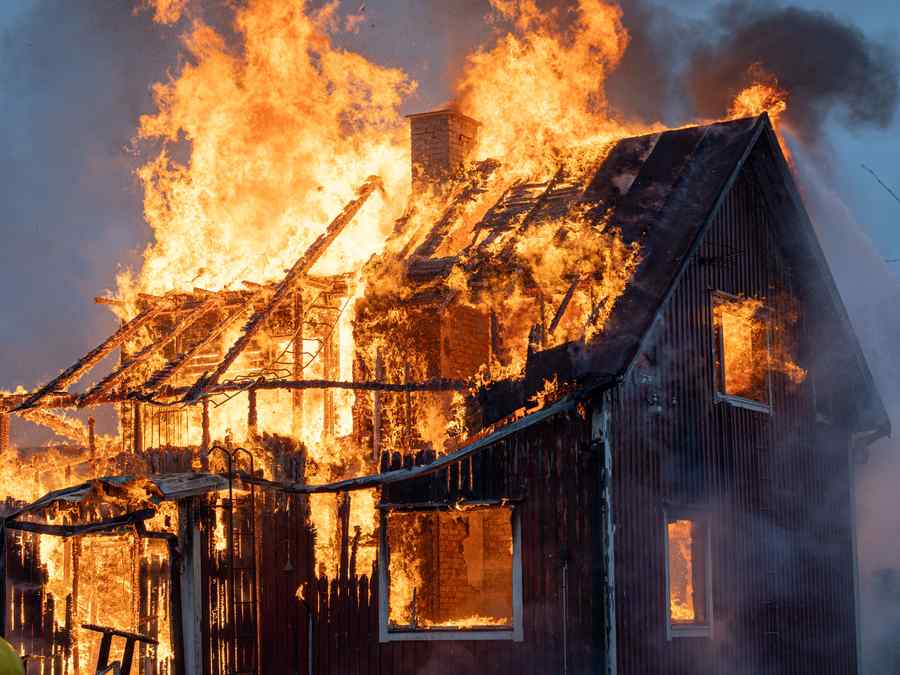
Burning building materials release carbon monoxide, volatile organic compounds (VOCs), and fine particulate matter that lodge deep in the lungs. Soot is a mix of these particles, and it clings to walls, ducts, and belongings. Wet ash can even cause chemical burns on skin. This is not dust you want kids or pets breathing.
How long to air out a house after a fire
There's no fixed number, but light smoke odor can take several days of ventilation and filtration, while heavier damage takes professional cleaning and deodorization before the air is truly safe. Simply opening windows dilutes the smell but doesn't remove the particles embedded in surfaces and ductwork.
When is it safe to move back in?
You should only move back once the structure is cleared as safe, the air has been cleaned, and soot and smoke residue have been professionally removed. Moving back too early means breathing residual particles every day, which is a real problem for anyone with asthma, young children, or older adults.
How to purify the air
Professional restoration uses HEPA filtration and activated carbon to pull particles and odor from the air. Be careful with ozone generators sold online, they can help with odor but are unsafe to run around people and pets. This is one area where doing it right the first time matters.
Professional restoration vs. DIY
Light smoke smell in one room? You can try airing it out and cleaning washable surfaces. But structural fire, soot through the ducts, or firefighting water damage all need professional gear and IICRC-trained crews. When belongings, air quality, and your health are on the line, this is not the place to save a few dollars.
What's Salvageable After a House Fire?
Not everything is lost. What can be saved depends on how close it was to the fire, how much smoke and soot it took on, and whether it got soaked. A good restoration crew saves far more than most people expect, but some things should never be kept.
Is it safe to wear clothes after a house fire?
Clothes that only picked up light smoke odor can usually be saved with specialized textile cleaning, not a normal wash, which can set the smell permanently. But anything scorched, heavily sooted, or soaked in firefighting water should be documented for your claim and then discarded. Don't wear smoke-damaged clothing before it's properly cleaned, since soot residue can irritate skin and lungs.
Documents, electronics, furniture, and valuables
- Documents and photos: often restorable if not burned through. Freeze wet papers to buy time before they mold.
- Electronics: may work but can hide soot and corrosion inside. Have them checked before plugging in, a powered-on sooty device can short and spark.
- Furniture: solid wood and metal often clean up; upholstered and porous pieces depend on soot depth.
- Food and medicine: when in doubt, throw it out. Heat and smoke contaminate more than you'd think.
What If You Don't Have Insurance or Are Underinsured?
Losing your home without insurance is a special kind of fear, and almost no guide talks about it. You still have options, and you're not alone. Here's where Chicago families turn when there's no policy to lean on.
Organizations that help after a house fire
- American Red Cross of Greater Chicago: emergency lodging, food, and basic needs in the days right after a fire, no insurance required.
- The Salvation Army Metropolitan Chicago: disaster relief, clothing, and household help for displaced families.
- Illinois & local assistance: 211 connects you to nearby shelters, food, and financial-aid programs across Cook County.
- FEMA: available only when a fire is part of a federally declared disaster, but worth checking after a large event.
- Community and faith groups: local churches, mutual-aid networks, and GoFundMe campaigns have helped many Chicago families rebuild.
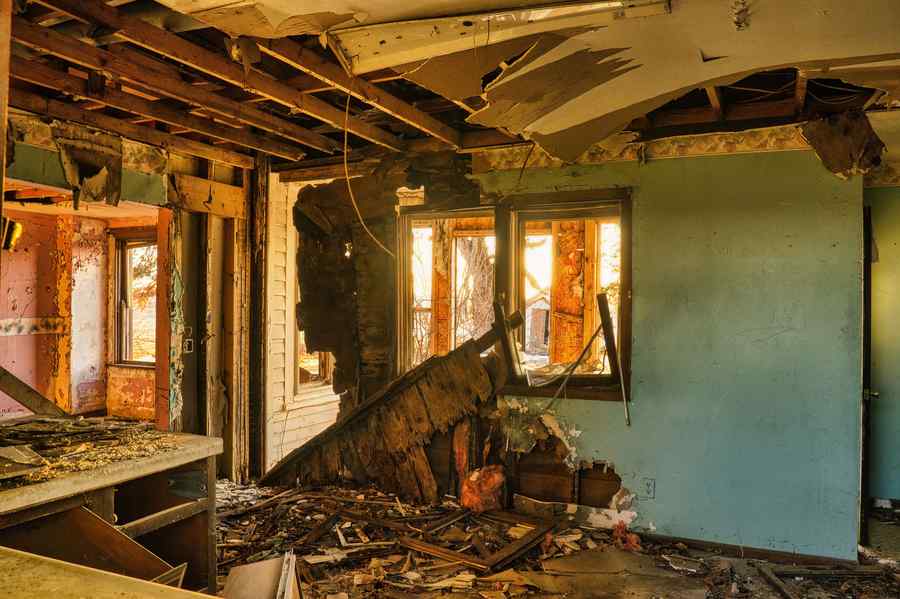
If money is tight, call us anyway. We've worked with Chicago families in every situation, and we'll be straight with you about what's urgent, what can wait, and what it really costs.
Fire Damage Cleanup and Restoration Costs
Nobody else on the first page of Google will tell you what this costs, so we will. Every fire is different, but here are honest Chicago ranges so you're not walking in blind. Most of this is covered by insurance when you have a policy.
| Service | Typical Chicago range | What it covers |
|---|---|---|
| Emergency board-up & tarp | $300 – $1,500 | Securing windows, doors, and roof same-day |
| Water extraction & drying | $1,500 – $6,000 | Removing firefighting water, drying the structure |
| Smoke & soot cleaning | $2,000 – $6,000 | Surfaces, contents, HEPA filtration |
| Deodorization | $500 – $3,000 | Removing smoke odor from structure and air |
| Full fire restoration | $5,000 – $50,000+ | Cleanup through rebuild, depends on severity |
Two things to remember. First, insurance usually covers fire, smoke, and firefighting-water damage, so your out-of-pocket is often just your deductible. Second, waiting makes it cost more, because soot sets and water turns into mold. Fast action is cheaper action.
Chicago-Specific Steps After a House Fire
This is the part no national guide covers, and it's what actually matters when your fire is in Chicago. Here's how the local system works.
Chicago Fire Department clearance and reports
CFD secures the scene and decides when the home is safe to enter. Don't go in until they clear it. You'll also want the official CFD incident report for your insurance claim, which you request through the city.
Using 311 for aftermath services
The City of Chicago's 311 line handles a lot of the post-fire mess: reporting hazards, requesting debris and vacant-building services, and pointing you to city resources. It's the fastest way to get the city working for you instead of against you.
Board-up permits and vacant-building rules
Chicago has rules about securing damaged and vacant buildings. A fire-damaged home left open can draw code issues on top of the fire itself. Proper emergency board-up keeps you compliant while you sort out repairs, and we handle that paperwork side too.
Illinois insurance rules and local help
Illinois protects homeowners through the Illinois Department of Insurance, which oversees claims practices and licenses public adjusters. For displacement, the Red Cross of Greater Chicago and Salvation Army Metropolitan Chicago are the two names to know. Older Chicago two-flats and greystones with shared walls add another wrinkle: if you share a wall, your neighbors may be affected too, so loop them in early.
Coping After a Fire
A fire isn't only property. It's your sense of safety, your kids' routine, the small things you can't replace. It's normal to feel numb one hour and overwhelmed the next. Give yourself room for that.
Lean on people. Let family cook a meal or do a laundry run. Keep kids' routines as steady as you can, familiar bedtime and school help them feel safe again. And if the weight doesn't lift, talk to your doctor or a counselor; the American Red Cross and local community groups can point you to free support in the Chicago area. You've already survived the hard part. The rest is just rebuilding, and you don't have to do it alone.
Your House Fire Recovery Checklist
Print or screenshot this and work through it as you go. It follows the same order as this guide.
- Account for everyone, people and pets
- Get checked for smoke inhalation or burns
- Wait for Chicago Fire Department clearance before re-entering
- Call your insurer and open the claim (First Notice of Loss)
- Ask about Additional Living Expenses and get an advance
- Find a safe place to stay (Red Cross of Greater Chicago)
- Board up windows, doors, and roof
- Shut off utilities until a pro clears them
- Photograph and video everything before cleaning
- Build a room-by-room home inventory
- Request the CFD fire report
- Keep every fire-related receipt
- Call a certified restoration crew to dry, clean, and deodorize
Frequently Asked Questions
What to do immediately after a house fire?
How long does it take to air out a house after a fire?
What is salvageable after a house fire?
Is it safe to wear clothes after a house fire?
Does homeowners insurance cover a house fire?
What do I do after a house fire with no insurance?
How much does fire damage cleanup cost in Chicago?
How soon should I start fire damage cleanup?
House Fire in Chicago? We're Here 24/7.
Family-owned since 1986. IICRC Certified (#94208) crews who board up, dry, clean, deodorize, and deal with your insurance so you don't have to. Call and a real person answers, day or night.
☎ (773) 885-8528