
Sewage Backup in Your Basement? Here's What to Do
If sewage is backing up into your Chicago basement, stop using all water right now and stay out of the contaminated area. Then read this, we'll walk you through the next steps.
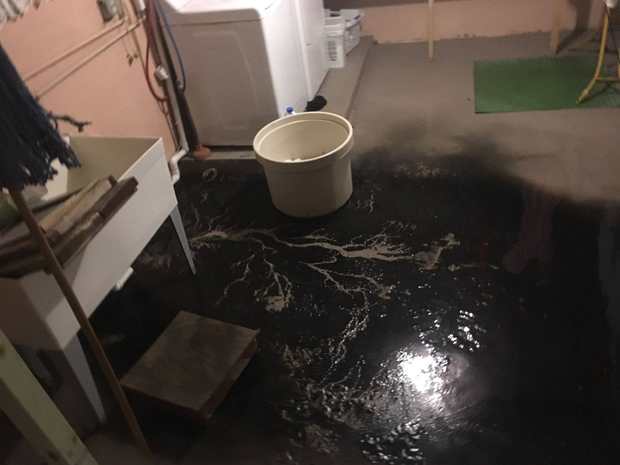
A sewage backup in your basement is a Category 3 "black water" emergency: stop using all water in the house, keep everyone out of the contaminated area, shut off power to the basement only if you can reach the breaker without standing in water, and call a professional cleanup crew. Raw sewage carries bacteria and viruses that make you sick, so this is not a mop-and-bucket job.
Below we cover exactly what to do in the first few minutes, why basements back up so often in Chicago, the real health risks, what cleanup costs, whether insurance covers it, and how to stop it from happening again.
We're The CleanUP Guys, a family-owned restoration company on North Damen Avenue. In 40 years across Chicago, we've pumped out more flooded basements than we can count, from Rogers Park two-flats to Beverly bungalows. Most of them have one thing in common: the homeowner didn't know the water was contaminated until it was already soaking into the drywall. This guide is the straight talk we'd give a neighbor at 2 a.m.
What to Do Right Now: First Steps After a Sewage Backup
The first few minutes matter. Move fast, but keep yourself safe. Here's the order we tell every Chicago homeowner to follow.
- Stop using all water. Don't flush toilets, run sinks, or start the washing machine. Every drop you send down the drain adds to what's coming up in the basement.
- Stay out of the water. Sewage is contaminated with bacteria, viruses, and parasites. Keep children and pets far away, and don't walk through it to "check things."
- Turn off power to the basement, but only if the breaker panel is somewhere dry and you won't have to step in water to reach it. If you can't reach it safely, leave it and call an electrician or your utility.
- Shut off the main water valve if the backup is tied to your own plumbing and you can reach it safely.
- Turn off your furnace and HVAC. Running them can pull contaminated air and moisture through the whole house.
- Open windows for ventilation and wear protective gear if you must be near the area: rubber boots, heavy gloves, eye protection, and an N-95 mask.
- Document everything for insurance. Take photos and video of the water and any damaged belongings before anything is moved or cleaned.
- Call a professional sewage cleanup crew. Raw sewage needs proper extraction, disinfection, and drying. In Chicago, you can also report a sewer issue to the city (more on that below).
Standing water in your basement right now?
We answer the phone day and night and can be on the way fast. No mess is too big.
Why Sewage Backs Up Into Chicago Basements
Chicago basements flood with sewage more than almost anywhere else in the country, and it's not bad luck. It's how the city is built. Understanding the cause tells you how to stop it.
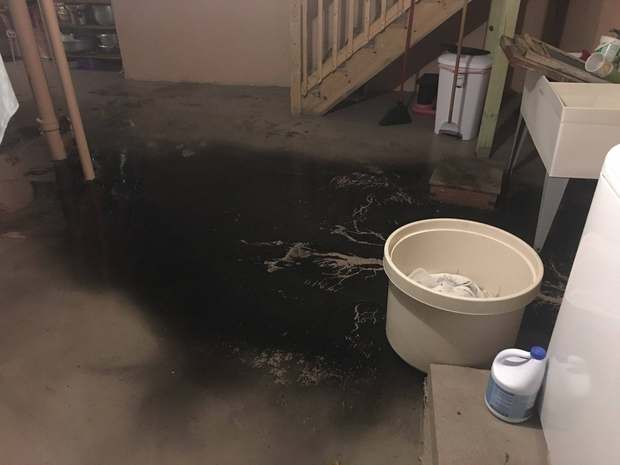
Chicago's combined sewer system
Most of Chicago runs on a combined sewer system, which means storm water from the streets and sewage from your home share the same pipes. On a dry day that's fine. But during a heavy rain, all that storm water floods the system, and when the main sewer fills up, the water has to go somewhere. It pushes backward, up through the lowest opening in your home, which is almost always the basement floor drain. That's why so many backups happen during and right after a storm.
Private line blockages
Sometimes the problem is just yours. Tree roots grow into the clay sewer lateral that connects your house to the city main, or grease and wipes build up and clog it. When that private line backs up, only your home floods, rain or shine.
Sump pump and ejector pump failures
Many Chicago homes rely on a sump pump or a basement ejector pump to push water out. When the power goes out in a storm, or the pump simply fails, water that should be leaving the house stays in the basement instead.
Why does sewage back up after heavy rain in Chicago? Because Chicago's combined sewers carry both storm water and sewage in the same pipes. A heavy storm overwhelms the system, and the backed-up water rises through your basement floor drain. It's the single most common cause we see, and it's why a backwater valve matters so much here.
Is Sewage in Your Basement Dangerous?
Yes. Sewage backup is the most hazardous kind of water damage there is. Restoration pros classify water in three categories, and sewage is the worst.
| Category | What it is | Risk |
|---|---|---|
| Category 1 | Clean water (supply line, faucet) | Low |
| Category 2 | Gray water (dishwasher, washing machine) | Moderate |
| Category 3 | Black water (sewage, toilet backup, flood water) | Severe biohazard |
A sewage backup is Category 3 black water. It carries bacteria like E. coli and salmonella, viruses such as hepatitis A and rotavirus, and parasites that cause stomach illness. As it sits, it also releases sewer gases, hydrogen sulfide and methane, which can cause headaches, nausea, and in poorly ventilated spaces, real danger.
Is sewage backup dangerous to your health? It can be. Contact with raw sewage can cause gastrointestinal illness, skin and eye infections, and respiratory irritation. People with asthma, weakened immune systems, young children, and the elderly are most at risk. And within 24 to 48 hours, the moisture starts growing mold, which brings its own health problems.
How to Clean Up a Sewage Backup in a Basement
What you can safely do depends on how much sewage there is and what it touched. Here's the honest line between DIY and calling a pro.
A small, contained backup (under about 1 inch, hard floor only)
If it's a small amount on a sealed concrete or tile floor and nothing porous got soaked, a careful homeowner can handle it. Wear full protective gear, remove the water with a wet/dry vac, bag and discard anything contaminated, then clean and disinfect the surface. A common disinfectant mix is one cup of household bleach per gallon of water. Dry the area completely with fans and a dehumidifier for at least 48 hours.
A large or spreading backup (or anything porous)
This is a professional job. Sewage that reaches drywall, carpet, wood, or insulation soaks in and can't be cleaned on the surface. Those porous materials have to be removed. Here's what our crews do:
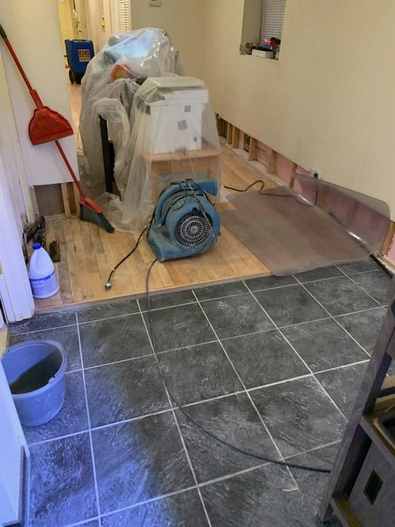
- Safety and containment. We seal off the area so contamination and odor don't spread through the house.
- Extraction. Truck-mounted and portable pumps remove the standing black water.
- Remove unsalvageable materials. Soaked drywall, carpet, padding, and insulation come out and are disposed of properly.
- Clean and disinfect. Every surface is scrubbed with professional antimicrobial products rated for Category 3 water.
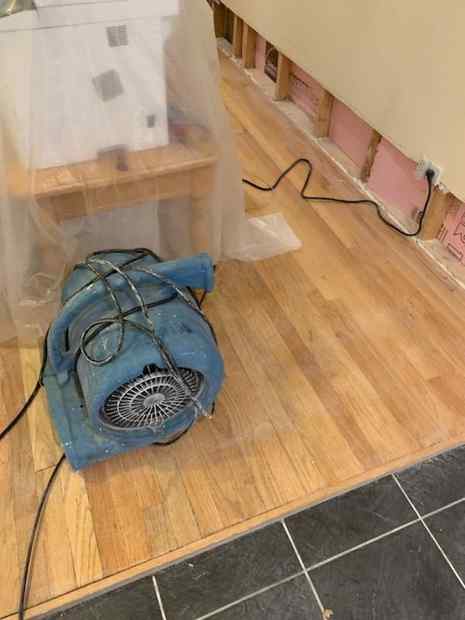
- Dry and dehumidify. Commercial air movers and dehumidifiers pull moisture out of the structure so mold never gets started.
- Restore. We rebuild what was removed and get your basement back to normal.
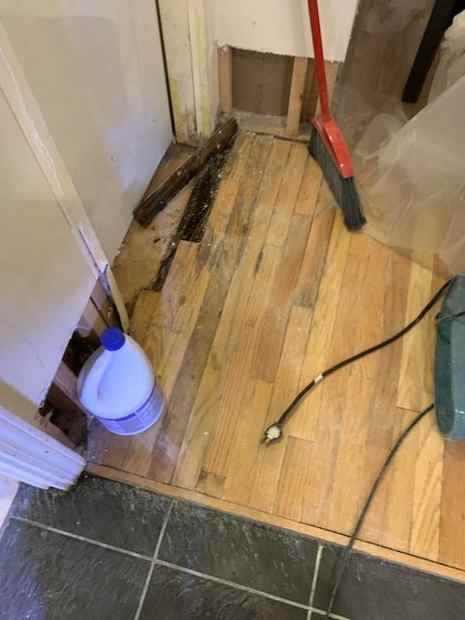
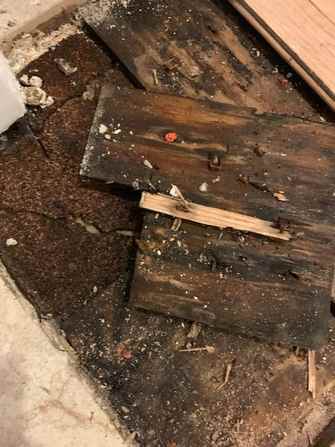
Damaged flooring and drywall we removed on real Chicago jobs
How Much Does Sewage Backup Cleanup Cost in Chicago?
Most guides skip this. Here's a real range so you know what to expect before any work begins. The final number depends on how much water there was, how far it spread, and how much material has to be removed.
| Type of job | Typical cost |
|---|---|
| Small, contained area (hard floor, no porous damage) | $500 – $1,500 |
| Average basement backup (some drywall/flooring removed) | $2,000 – $4,000 |
| Large backup with structural drying and rebuild | $4,000 – $7,000 |
| Severe, whole-basement contamination | $7,000+ |
A backwater valve installation, which prevents future backups, typically runs $1,500 to $4,000 in the Chicago area depending on access and whether an overhead sewer conversion is involved. We inspect free and give you a written estimate before starting.
Does Insurance Cover Sewage Backup in a Basement?
Usually only if you have the right add-on. A standard homeowners policy generally does not cover sewer or drain backups on its own. You need a separate sewer and water backup endorsement (a rider) added to your policy.
- A sewer backup rider usually costs about $40 to $70 per year and adds coverage limits of roughly $5,000 to $25,000.
- Damage from a sudden event may be covered; damage blamed on poor maintenance often is not.
- Document everything with photos before cleanup, and call your insurer early.
We work with insurance every day and can help you document the loss properly so your claim goes smoothly.
How to Prevent Sewage Backups in Your Chicago Basement
The good news: Chicago backups are preventable. These are the fixes that actually work here, in order of how much protection they give.
- Install a backwater valve. This one-way valve on your sewer line lets waste flow out but slams shut when water tries to flow back in. For most Chicago homes it's the single most effective fix. It requires a city plumbing permit and a licensed plumber.
- Consider an overhead sewer conversion. This reroutes your plumbing so waste is pumped up and over before leaving the house, making a gravity backup nearly impossible. It costs more, but many Chicago homeowners consider it the most reliable long-term solution.
- Maintain your sump and ejector pumps, and add a battery backup so they keep running when the power goes out during a storm.
- Never pour grease down the drain, and don't flush wipes, paper towels, or hygiene products, even the "flushable" ones.
- Have your sewer line camera-inspected, especially in older neighborhoods with mature trees, to catch root intrusion before it clogs the line.
When to Call The CleanUP Guys
Call us right away if any of these are true. Waiting turns a cleanup into a rebuild.
- Sewage has reached carpet, drywall, wood, or insulation.
- The backup covers more than a few square feet.
- There's a strong sewer smell or you feel unwell.
- Anyone in the home has asthma or a weakened immune system.
We handle the whole job: sewage cleanup, water extraction, structural drying, and rebuild, and we help with your insurance paperwork. If your backup came from a storm or flooding, see our basement flooding and flood cleanup pages too.
Frequently Asked Questions
What should I do first if sewage backs up in my basement?
Why is my basement floor drain backing up?
Is a sewage backup dangerous?
Can I clean up sewage in my basement myself?
How much does sewage backup cleanup cost in Chicago?
Does homeowners insurance cover sewage backup?
How do I stop sewage from backing up again?
Is it safe to stay in my home after a sewer backup?
Sewage in Your Basement? Don't Wait.
Every hour raw sewage sits, it soaks deeper and mold gets closer. We answer 24/7 and serve Chicago's North Side and nearby suburbs. Family owned since 1986.
Call (773) 885-8528