
What Does Black Mold Look Like?
Black mold is usually dark greenish-black, gray, or charcoal, with a slimy texture when it's wet and a powdery or fuzzy texture once it dries out. It spreads in irregular, blotchy patches rather than neat circles. Color alone can't tell you the species, so this guide walks through what to actually look for, what gets mistaken for it, and when a Chicago home needs more than a guess.
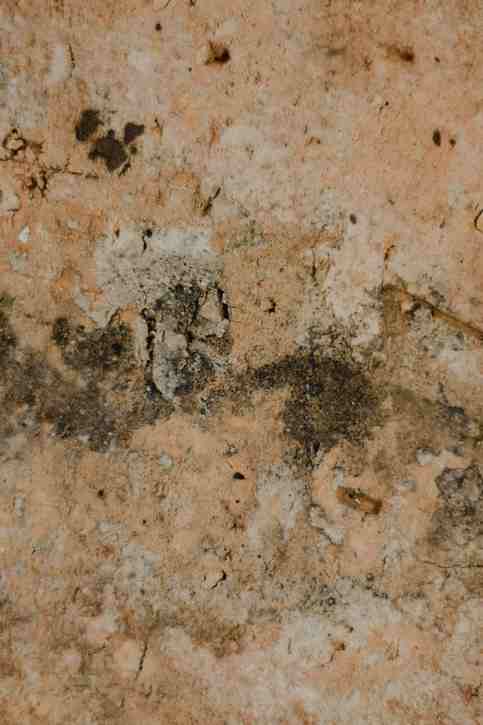
What black mold actually looks like
If you just found a dark spot and you're standing there wondering whether to panic, take a breath first. Most of what people photograph and post online turns out to be something other than the "toxic black mold" they're picturing, and even when it is mold, a small contained spot is a manageable problem, not an emergency. We'll walk through exactly what to look for below.
One thing worth saying plainly before anything else: you cannot tell which species of mold you're looking at just by its color. Dozens of mold species can appear dark or black, and only lab testing confirms which one you have. What you can do by eye is judge how far it's spread, how it's behaving, and whether it's worth a closer look.
Color, texture, and growth pattern
These three things together tell you more than color alone ever will.
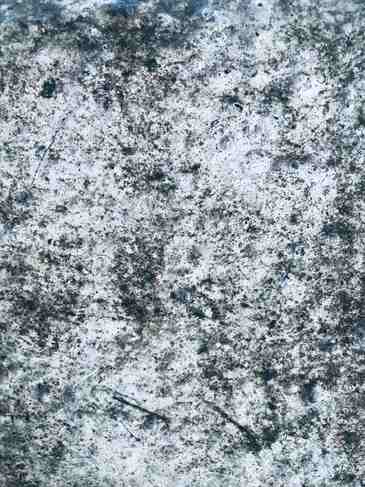
1. Color range
Dark greenish-black, gray, charcoal, or dark brown. It rarely reads as pure jet black up close, and often has an olive or brownish undertone in direct light.
2. Texture when wet
Slimy, glossy, or gelatinous while moisture is actively feeding it. This is usually what a fresh, active spot looks like right after a leak.
3. Texture when dry
Powdery, chalky, sooty, or fuzzy once the moisture source dries up. This stage is more likely to release spores into the air if disturbed.
4. Growth pattern
Starts as small, speckled dots, similar to pepper or dirt flecks, then spreads outward into blotchy, irregular rings or streaks rather than a uniform shape.
5. Surface depth
Up close it looks raised and three-dimensional compared to the flat surface around it, especially at the edges of an active colony.
Want a second opinion?
Send us a photo and we'll give you an honest read, no charge: (773) 885-8528.
What's commonly mistaken for black mold
A lot of dark spots that get photographed and posted online turn out to be something else entirely. These six are the ones people confuse for black mold most often.
| Look-Alike | How It Differs |
|---|---|
| Water stains | Flat, yellow-brown, and dry to the touch. No texture or raised surface. Often the actual cause behind mold nearby, but not mold itself. |
| Dried adhesive or old glue | Common under flooring or inside drawers. Usually a uniform, semi-glossy layer with no fuzzy edges and no growth pattern over time. |
| Dry rot | Found on wood, especially in stored items or framing. Crumbly and fibrous rather than slimy, and it doesn't spread the way active mold does. |
| Paint overspray or factory marks | Sometimes seen on OSB or manufactured wood panels. Follows a mechanical, uniform pattern rather than an organic, irregular one. |
| Dirt, soot, or grime | Wipes away easily with a damp cloth. Active growth generally does not wipe off cleanly, especially once it has penetrated a porous surface. |
| Regular mildew | Flat, powdery, and usually gray or white rather than dark. Stays on the surface instead of growing into the material. |
Three simple checks before you call anyone
None of these confirm species, but together they tell you whether it's worth a closer look.
The wipe test
Dab it gently with a damp cloth. Dirt, soot, and grime usually wipe away. An active colony typically smears or stays put rather than lifting off clean.
The smell check
A musty, earthy odor, like wet soil or old paper, that's stronger near the spot is a strong supporting clue, even before you can see much.
How long has it been damp?
Has that spot been damp, humid, or recently leaked for days or weeks? It needs sustained moisture. A one-time splash that dried fast is less likely to be it.
Your 60-second answer
Run through this in order. Most people land on a clear answer by step three.
- Wipe it. Comes off clean with a damp cloth? It's almost certainly dirt, soot, or grime, not mold. Stop here.
- Smell near it. Musty and earthy, stronger up close? That's a real supporting sign. No smell at all points more toward a stain, adhesive, or dry rot.
- Check the moisture history. Been damp, humid, or recently leaked for days or weeks? Combined with a smell and a spot that didn't wipe off, treat it as likely mold and move to the next steps below. No moisture history at all, especially on a hard, dry surface, points back toward one of the look-alikes above.
- Still not sure? That's normal, even for people with real biology backgrounds looking at macro photos. Send us a picture and we'll give you an honest read, or bring in a professional if it's spreading, recurring, or anyone in the home has respiratory concerns.
Where black mold usually shows up
Anywhere damp meets a material it can feed on.
Bathrooms & showers
Grout lines, behind tile, and around tubs where humidity lingers after every shower.
Window sills
One of the most common spots overall. Condensation collects here every cold morning if a window isn't sealed well.
Basements
Below-grade walls trap moisture year-round, especially in older Chicago homes without a vapor barrier.
Air vents & HVAC
Condensation inside ductwork feeds growth that then spreads spores through the whole system when it runs.
Behind appliances
Refrigerators, dishwashers, and washing machines all generate condensation in tight, unventilated spaces.
Ceilings & attics
Roof leaks and poor attic ventilation leave exposed wood sheathing damp for months at a time, especially over a Chicago winter.
Closets & stored items
Boxes, shoes, and fabric packed against an exterior wall trap moisture with no airflow, sometimes for months before anyone notices.
Baseboards & trim
Often the first visible sign of a slow leak or rising damp behind the wall, especially where flooring meets an exterior wall.
Vehicles & campers
Condensation under mattresses or carpeting in a car, RV, or camper builds up the same way it does in a house, just faster in a smaller space.
Other molds that look black too
"Black mold" usually gets used as shorthand for Stachybotrys chartarum, but several other common household molds can look just as dark:
- Cladosporium: olive-green to black, common on window frames and fabric
- Aspergillus niger: appears black on the surface, often on walls and food
- Alternaria: dark brown to black, velvety, common in damp bathrooms
- Chaetomium: starts gray, shifts to black as it matures, often behind water-damaged drywall
None of this changes what to do about it. Any dark, spreading growth in a damp part of your home is worth addressing the same way: find the moisture, remove the growth, and confirm species only if it actually matters for your situation, such as a health concern or an insurance claim.
When to call instead of waiting
Not every spot needs a crew. These situations do.
Get it looked at
- Growth larger than about 10 square feet
- It keeps returning after you clean it
- A strong musty smell with no visible source
- Mold after major water damage or flooding
- Anyone in the home has asthma, allergies, or a weak immune system
Likely fine to handle yourself
- A small spot under 10 square feet
- It wipes away and doesn't return within a week
- No musty odor and no history of moisture there
- Hard, non-porous surface like tile or glass
Where this guide's facts come from
Every claim above traces back to one of these. We're not guessing, and we're not the only source you should check.
- CDC: Mold and Your Health
- EPA: A Brief Guide to Mold, Moisture, and Your Home
- HUD: Healthy Homes Resource Book
- ANSI/IICRC S520: Standard for Professional Mold Remediation
- OSHA.com: Identifying Mold Types
Trusted in Chicago for 40 years
"Sent them a photo before calling anyone. They told me honestly it looked like water staining, not mold, and saved me a call-out fee. Used them for the actual mold job a month later."
"Found dark spots behind the tub tile and panicked a little. They walked me through what actually made it mold versus grout grime over the phone before ever charging me anything."
"Attic sheathing had dark speckling after a vent problem. They came out same day, explained what they were seeing and why, and didn't try to scare us into a bigger job than we needed."
Chicago neighborhoods and suburbs we serve
Searching for mold identification near me in Chicago? Our crew reaches these areas for inspection and safe removal.
If it turns out to be mold, we also handle mold removal, flood cleanup, and basement cleaning across the same neighborhoods.
Common questions about identifying black mold
What is commonly mistaken for black mold?
Water stains, dried adhesive or old flooring glue, dry rot on wood, paint overspray on manufactured wood panels, dirt and soot, and regular surface mildew all get mistaken for black mold. Water stains are the most common false alarm, since they're often dark and irregular but flat and dry to the touch.
Can you tell if mold is toxic just by looking at it?
No. Color alone cannot confirm species or danger level. Several common household molds share the same dark, blotchy appearance as Stachybotrys chartarum, the species people usually mean by "toxic black mold." Lab testing is the only reliable way to confirm which species you're dealing with.
What does black mold look like when it's just starting?
Early growth usually appears as small, speckled dark dots, similar to pepper flecks or dirt spots, rather than a solid patch. It spreads outward into blotchy clusters or streaks over days to weeks as moisture continues feeding it.
Why do two people look at the same spot and disagree about whether it's mold?
Because visual identification genuinely is uncertain, even for people with real biology or building-science background. Color, lighting, and camera quality all affect how a spot photographs, and multiple common substances can look nearly identical in a picture. That's exactly why this guide leans on texture, pattern, and moisture history together instead of color alone.
What does black mold look like on drywall versus wood?
On drywall, it typically spreads as dark, irregular blotches that can penetrate through to the paper backing. On wood, it often looks more fibrous or streaky, following the grain, and can appear alongside warping or a slightly raised, textured surface.
Does black mold always smell?
Not always, but a musty, earthy odor similar to wet soil or old paper is a strong supporting clue, especially when you can smell it before you can see the growth. Hidden mold behind walls or under flooring often announces itself by smell first.
How can I tell if a dark spot is mold or just grime?
Try wiping it gently with a damp cloth. Dirt, soot, and grime usually wipe away cleanly. Growth that has taken hold in a porous surface typically smears or stays in place. Combine that with a moisture history: sustained dampness matters more than a one-time splash.
What colors can black mold actually be?
Despite the name, it's rarely pure jet black up close. It typically reads as dark greenish-black, charcoal, gray, or dark brown, often with a mottled or uneven tone rather than one uniform shade.
Can black mold grow behind walls without any visible sign?
Yes. A musty smell with no visible source, discoloration or slight warping on the surface, or recurring humidity in a room are all signs that moisture and mold may be present behind the wall even before anything is visible.
Can you tell what it is just from a photo?
Often, yes, well enough to point you in the right direction. A clear photo showing color, texture, and how far it has spread tells us a lot, though we'll always say plainly if it's a case where an in-person look or lab sample is the only way to be sure.
Send us a photo, get a straight answer
No charge, no pressure. We've looked at thousands of these across Chicago since 1986, and we'll tell you honestly what we see.
Ready to find out for sure?
A photo and two minutes on the phone usually settles it. Talk to a real person, not a call center.
Call (773) 885-8528