Winter Ready: Essential Crawlspace And Basement Cleanup Before The Deep Freeze
When Chicago winter bears down, your basement and crawlspace take the first hit. Cold snaps, snowmelt, and ice can combine with older plumbing and saturated soil to create leaks, bursts, and musty, unhealthy air. Afocused pre-winter cleanup sets you up for a calm season. You protect pipes, keep moisture in check, and avoid emergency calls during the holidays.
This guide walks you through why pre-winter prep matters, what a professional cleanup includes, what it costs, and how to keep these spaces dry and sanitary all season.
Why winter preparation matters in Chicagoland
Burst pipe prevention: Uninsulated or poorly sealed crawlspaces invite freezing air. Water expands when it freezes, which can split pipes and flood your basement. Proactive cleaning and sealing reduce drafts and protect plumbing.
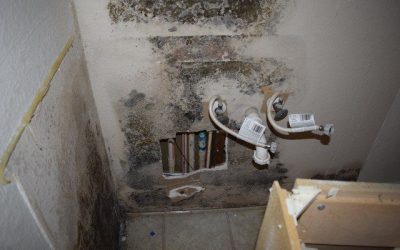
Mold and odor control: Cold outside, warm inside, and high humidity spell condensation on cold surfaces. That moisture feeds mold on joists, insulation, and stored items. A dry, disinfected space resists growth.
Pest deterrence: Rodents look for warmth and nesting materials as temps drop. Debris and clutter give them cover. A cleaned, sealed, and deodorized area is less attractive.
Safer holiday season: You reduce the risk of sewage backups, sump failures, and surprise leaks when guests are in town.
In short, prepare now to avoid panic later.
What a thorough basement and crawlspace cleaning includes:
A professional service focuses on cleanliness, moisture control, and health. Here is what you can expect from a well-scoped visit:
Inspection and moisture mapping: Technicians use moisture meters and thermal imaging to find hidden damp spots, cold joints, and seepage pathways.
Debris and junk removal: Old boxes, construction scraps, rodent nesting, and organic debris are cleared so air can circulate and cleaning can be effective.
HEPA vacuuming and surface cleaning: Joists, beams, sills, and corners get detailed vacuuming to remove dust, spores, and fine debris.
Power washing or hot water extraction on hard floors: Concrete and masonry get a deep clean for soil and biofilm. Then they dry with air movers and dehumidifiers.
Disinfection and deodorizing: EPA-registered disinfectants help neutralize bacteria and odors, especially after past moisture events or pest activity.
Targeted mold remediation if needed: If growth is present, certified containment, removal of contaminated porous materials, HEPA air filtration, and antimicrobial cleaning restore safe conditions.
Sump and drainage check: Sump pump testing, float switch checks, and backup system recommendations reduce flood risk.
Basic sealing and protective steps: Foam sealing of minor gaps, insulation recommendations, vapor barrier evaluation, and pipe insulation guidance.
Documentation for your records: Photos, readings, and recommendations support insurance needs and help you track improvements.
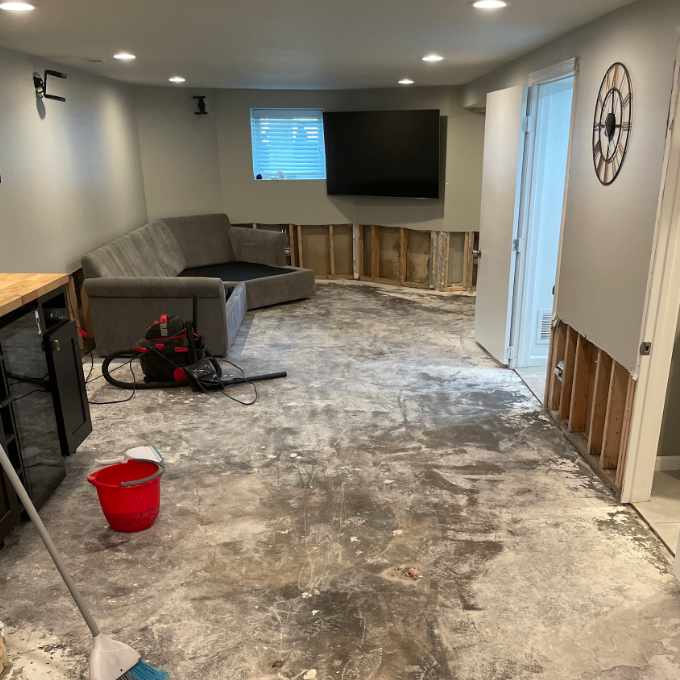
These steps build a clean baseline before the deep freeze. If you need a hand right now with a soaked space, explore basement cleaning services for a fast, professional reset.
How much does it cost to clean a crawlspace?
Costs vary with size, condition, and scope. A simple debris removal and disinfecting visit can be a few hundred dollars for smaller spaces. Add-ons like heavy debris hauling, rodent residual cleanup, insulation removal, ormold remediation increase cost. When water damage or sewage contamination is involved, equipment and safety measures add labor and disposal fees. That is why reputable companies provide onsite assessmentsbefore pricing. You will get a written estimate that reflects square footage, contamination level, and drying or remediation time. If insurance is involved, ask for documentation support.
Is it worth it to clean a crawl space?
Yes. A clean, dry crawlspace supports your home’s structure, indoor air quality, and energy efficiency. Benefits include fewer musty odors, steadier humidity in living areas, lower risk of mold and pests, and reduced chanceof pipe freezes. Many homeowners recoup the cost through avoided emergencies and extended lifespan of materials. If you are planning to sell, a dry and documented crawlspace is a plus with buyers and inspectors.
How often should you clean your crawl space?
Do a light check every season and plan a deeper cleaning annually before winter. If you have ongoing moisture, known pests, or a past flood, increase frequency. After any leak, sewage backup, or sump failure, clean and disinfect as soon as possible to stop mold from taking hold.
Step by step: your pre-winter basement and crawlspace checklist
- Clear the clutter: Store items in sealed plastic bins on shelving, not on the floor. Discard wet cardboard, rugs, and soft goods that can harbor mold.
- Test sump and backup power: Lift the float, confirm discharge, and test any battery backup.
- Insulate and protect pipes: Add foam sleeves on exposed lines. In unheated areas, close vents that introduce cold air and seal obvious gaps.
- Seal air leaks: Use foam or caulk at rim joists and around penetrations. A warmer crawlspace equals safer pipes.
- Control humidity: Run a dehumidifier until relative humidity stays under 55 percent. Use a hygrometer to confirm.
- Direct water away: Clean gutters, extend downspouts 6 to 10 feet, and ensure grading slopes away from the foundation.
- Clean and disinfect surfaces: Focus on corners, joists, and low walls where condensation gathers.
- Check for mold: Look for fuzzy or discolored spots and musty odor. If you find more than a small patch, call certified pros for containment and removal.
- Review vapor barriers: Replace torn poly on crawlspace floors and secure seams to limit ground moisture.
- Document your work: Photos and notes help you spot changes and support insurance claims if needed.
- If past leaks or backups have left staining or odors, professional basement cleaning services can power through residue, disinfect, and dry the structure so you start winter fresh.
Pro services that fit your annual routine
- Power washing and hot water extraction on concrete floors remove grime and biofilm.
- HEPA vacuuming and air scrubbing capture fine dust and spores.
- Antimicrobial disinfecting and deodorizing improve hygiene and odor control.
- Debris and junk removal make space for safe storage and better airflow.
- Moisture mapping and drying equipment verify that surfaces are actually dry, not just surface dry.
- These services are ideal right before winter and again after the thaw.
When to call a professional right away
- Standing water or repeated dampness after rain
- Sewage odors or visible contamination
- Visible mold larger than a small patch, or musty air that triggers symptoms
- Warped baseboards, soft drywall, or persistent condensation
- A failed sump, burst pipe, or ice dam leak
- If you are in the northern suburbs and need urgent help, our team responds quickly for situations like water damage restoration Skokie or mold removal Glenview when moisture has already caused trouble.
Preventing small issues from becoming big ones
- Monitor humidity weekly through winter with a simple hygrometer.
- Keep a clear path to the sump and utility shutoffs.
- Replace furnace filters on schedule so the system is not distributing dust and spores.
- Do not store absorbent items directly on concrete.
- Schedule a preventive walkthrough each fall with a restoration pro.
Quick answers to your top questions
What does basement and crawlspace cleaning include: Inspection and moisture mapping, debris removal, HEPA vacuuming, floor cleaning, disinfection and deodorizing, targeted mold remediation when needed, sump and drainage checks, and documentation.
Why is it important to prepare your basement and crawlspace for winter: To avoid frozen pipes, control moisture and mold, deter pests, and prevent costly emergencies during the coldest months.
How much does it cost to clean a crawlspace: Price depends on size, condition, and scope. Expect a tailored estimate after inspection, with costs rising if mold, sewage, or structural drying are required.
How often should you clean your crawl space: Inspect seasonally and do a thorough cleaning yearly before winter, or more often if you have moisture issues.
Is it worth it to clean a crawl space: Yes. You improve air quality, protect plumbing and structure, and avoid expensive damage.
Ready before the freeze
A little planning now saves a lot of stress later. If you want a clean, dry start to winter, our Chicago team is ready to help with inspection, cleaning, disinfecting, and drying. Need same day help after a leak or backup in the North Shore area; our crews also handle basement cleaning chicago and related restoration needs across Chicagoland. Reach out, and enjoy a winter with fewer worries and a safer home