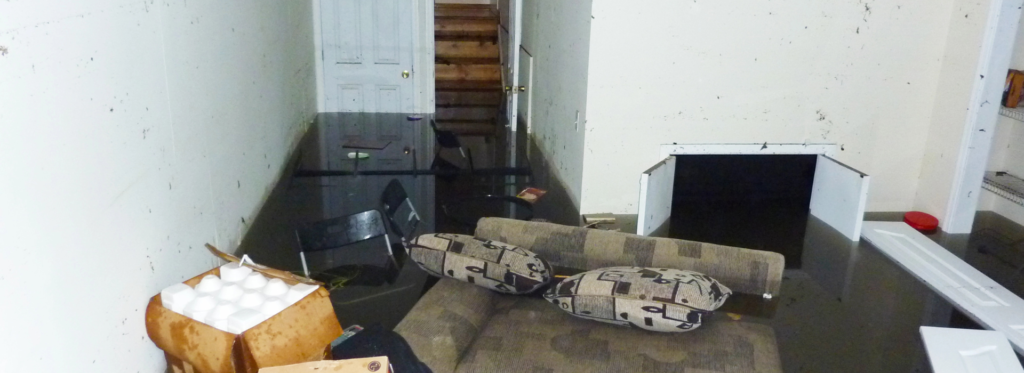
Sewage Backup In A Chicago Basement: Safety, Cleanup Costs, And When To Call The Pros
Winter thaws and heavy rain can push Chicago’s sewers past their limits. If you discover sewage in your basement, it is more than an unpleasant mess, it is a biohazard. You need clear next steps, realistic timelines, and a safe plan to get your home back to normal. Here is how to protect your family, what cleanup really involves, how much it may cost, and when to bring in professionals.
First, protect your health and safety
Sewage is Category 3 water, which means it likely contains bacteria, viruses, and parasites. Take these steps as soon as you notice a backup:
- Keep people and pets out of the affected area.
- Do not touch contaminated water with bare skin.
- If water is near outlets or electrical panels, stay out and call an electrician or utility before touching breakers. Shut power from a dry location only.
- Ventilate if you can by opening windows. Avoid running central HVAC so you do not spread contamination.
- Document conditions with photos and videos for insurance.
- Call a licensed plumber to address the cause, and contact a restoration contractor for cleanup.
Is it safe to live in a house after sewage backup? You can often stay if the contamination is fully contained to one area with a separate entrance and no shared airflow, and if you can avoid the area entirely. If contamination is near HVAC returns, living spaces, or the electrical system, relocate until cleanup and disinfection are complete. Safety comes first.
What not to touch and what to discard
Sewage saturates porous materials. The safest rule is simple: when in doubt, throw it out.
- Discard: carpet and pad, upholstered furniture, mattresses, most area rugs, wet drywall and insulation, books and cardboard, unsealed wood composites, and baby or pet items. These items cannot be reliably disinfected once saturated.
- Cleanable if minimally affected: nonporous items like metal, glass, solid wood, and many plastics can be disinfected with EPA registered products after professional evaluation.
- Appliances: if floodwater entered motors or electrical cavities, have them inspected before reuse.
How to clean up after a sewage spill
DIY is risky because of exposure and cross contamination. If the spill is minor and limited to a small, hard surface area, you may consider a stopgap approach until professionals arrive:
- Put on PPE, rubber boots, puncture resistant gloves, eye protection, and at least an N95 respirator.
- Isolate the area with plastic sheeting if possible.
- Remove standing water with a wet vac rated for hazardous liquids; dispose of contents according to local rules.
- Wash hard surfaces with detergent, then apply an EPA approved disinfectant with proper contact time.
- Bag debris in heavy mil contractor bags and label for regulated disposal.
- Dry the area quickly with fans and dehumidifiers; monitor humidity.
For anything larger than a few square feet, for any sewage that touches drywall, framing cavities, carpeting, or contents, call professional help. Exposure risk and hidden moisture can create long term health problems and mold growth within 24 to 48 hours.
Our professional process: what to expect
When The CleanUP Guys respond to a Chicago basement sewage backup, our IICRC trained team follows documented steps:
- Containment and safety: set up isolation barriers, apply negative air when needed, and wear full PPE.
- Source control: coordinate with your plumber to stop the intrusion and prevent recontamination.
- Extraction and removal: pump and vacuum contaminated water; remove unsalvageable porous materials and debris with regulated disposal.
- EPA approved disinfection: apply antimicrobial cleaners to all affected hard surfaces with correct dwell times.
- Structural drying: deploy industrial air movers and dehumidifiers; take daily moisture readings until targets are met.
- Odor control: use professional deodorization after cleaning and drying.
- Documentation: provide photos, moisture maps, and itemized scopes for your insurer.
- Restoration coordination: replace drywall, baseboards, flooring, and finishes as needed after clearance.

How long does cleanup take?
- Small, contained backups on concrete, no drywall affected: 1 to 3 days for extraction, sanitation, and drying.
- Moderate events with drywall and contents removal: 3 to 7 days for mitigation and drying; repairs add 1 to 3 weeks based on material lead times.
- Large multi room impacts: one to several weeks, including demolition, drying, and reconstruction.
Weather and access, insurance approvals, and specialty materials can affect timelines.
Cost factors, realistic ranges, and insurance
How much does emergency sewage cleanup cost? How much is sewage cleaning? How much does a sewer backup cleanup cost? Costs vary widely based on:
- Size of the affected area and depth of contamination.
- Water category, sewage is Category 3 which requires biohazard controls.
- Materials removed and disposal needs.
- Equipment and labor hours for drying and disinfection.
- After hours or weekend response.
- Reconstruction scope after mitigation.
Typical ranges we see in Chicagoland are:
- Small, surface level cleanup on hard floors with limited square footage: often in the low to mid thousands.
- Moderate basement cleanup with removal of carpet, pad, some drywall, disinfection, and several days of drying: several thousand to low five figures depending on scope.
- Extensive, multi room sewage impacts with demolition, pack out, and full structural drying: can reach into the higher five figures.
Final pricing requires an onsite inspection and a written estimate. Many homeowner policies cover sudden sewer backups if you carry a sewer or drain backup endorsement. We document the loss and work directly with adjusters to support your claim.
Do plumbers clean up sewage? Plumbers fix the cause, clear blockages, and repair lines. Cleanup and disinfection are handled by restoration contractors trained for biohazard work. You likely need both.
How often should you clear the main sewer line? In older Chicago homes or tree heavy blocks, proactive cleaning every 12 to 24 months helps prevent backups. If you experience slow drains, gurgling, or recurring issues, ask a plumber about camera inspection and root cutting or consider a backwater valve.
A quick decision guide, DIY or call the pros
Choose professional help if any of the following are true:
- Water is visibly dirty or contains solids.
- The area is larger than a few square feet.
- Contamination touched drywall, insulation, carpet, or furniture.
- You smell sewage in living spaces or near HVAC returns.
- Someone in the home is pregnant, elderly, immunocompromised, or has asthma.
- You need insurance documentation.
DIY may be reasonable only when the spill is very small, on a cleanable hard surface, and the source is fully stopped. Wear PPE, disinfect thoroughly, and dry fast. If you feel unsure, call.
Prevent the next backup
- Install and maintain a backwater valve where feasible.
- Clean the main line on a set schedule; manage tree roots near laterals.
- Test your sump pump, add a battery backup, and keep gutters and downspouts clear.
- Store valuables off the floor on shelves and sealed bins; keep floor drains accessible.
Where we can help, 24/7
We serve Chicago and the North Shore with same day response when possible. If you are in Skokie or nearby and dealing with flooding or contamination, our team can mobilize quickly. If you are in Evanston and need fast help with a backup, we handle containment, extraction, disinfection, drying, and full documentation for insurers. If lingering odors or dampness lead to mold concerns after a sewage event, we can help with safe remediation protocols.
- If you are comparing options in the North Shore, see our water damage restoration Evanston page for rapid response and full service mitigation: https://thecleanupguys.com/services/evanston-il/
- Concerned about odors or growth after drying, our mold removal Glenview service explains safe cleanup and prevention: https://thecleanupguys.com/services/mold-removal
- For standing water after storms or thaw, our flood damage repair overview covers extraction through drying: https://thecleanupguys.com/services/flood-damage-cleanup
Summary
Sewage in your Chicago basement is a health hazard, not a simple mop up. Protect yourself first, keep the area contained, and call a plumber and a restoration contractor right away. Expect a process that includes containment, extraction, EPA grade disinfection, structural drying, documentation for insurance, and final deodorization. Costs depend on size, materials impacted, and labor required, and many losses are insurable with the right endorsement. When in doubt, choose safety. The CleanUP Guys are ready 24/7 to assess, contain, and restore your space so you can get your home and peace of mind back. Call us anytime at (773) 885-8528.