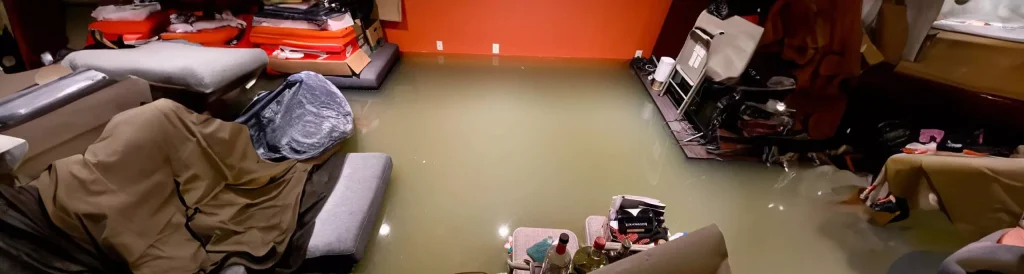
Flood Restoration and Cleanup: The Complete Guide for Homeowners in Evanston, Skokie, Wilmette, Glenview, Northbrook, Lake Forest & Highland Park, IL
Living in the northern suburbs of Chicago—whether you call Evanston, Skokie, Wilmette, Glenview, Northbrook, Lake Forest, or Highland Park home—means you enjoy scenic neighborhoods, proximity to Lake Michigan, and vibrant communities. But with heavy rains, spring thaws, and occasional storms, flooding can be a real concern. When water invades your home or business, getting fast, complete, and professional restoration is critical. That’s where The CleanUP Guys step in.
In this comprehensive blog, we’ll walk you through everything you need to know about:
-
How flood damage happens
-
The risks and dangers of floodwater
-
A step-by-step flood restoration process
-
How professionals like The CleanUP Guys handle cleanup
-
What residents in these northern Chicago suburbs should do immediately
-
Preventative and long-term strategies to protect your property
Keep reading to feel prepared, empowered, and informed—before, during, and after flooding.
What Causes Flood Damage in Northwestern Cook & Lake Counties?
Flooding in Evanston, Skokie, Wilmette, Glenview, Northbrook, Lake Forest, and Highland Park can occur from multiple sources:
1. Heavy Rainfall & Storm Events
Spring storms and summer downpours often overwhelm drain systems. When gutters spill over and streets collect water, basements and lower levels are especially vulnerable.
2. Rapid Snowmelt
Winters around Lake Michigan pack snow. When temperatures rise, that snow can melt quickly, challenging soil absorption and drainage systems.
3. Sewer Backup
Older sewer systems in some suburban areas can back up during peak storm events, pushing contaminated water into homes.
4. Malfunctioning Sump Pumps
Sump pumps are a front-line defense. But if they fail at the wrong moment—due to power outage or improper maintenance—flooding can quickly occur.
5. Nearby Waterways
Properties near ravines, creeks, or storm channels can experience overflow during extreme weather.
Understanding these flood triggers helps homeowners act faster and more effectively to protect their investments.
Why Floodwater Is More Dangerous Than It Looks
It’s tempting to think a few inches of water is “no big deal.” But even shallow floodwater presents serious risks.
Health Hazards
Floodwater often carries:
-
Chemicals
-
Bacteria
-
Mold spores
Contact with contaminated water can lead to infections, gastrointestinal illness, and long-term health problems.
Structural Damage
Water seeps into:
-
Drywall
-
Insulation
-
Flooring and sub-flooring
-
Electrical systems
-
HVAC components
Even after water recedes, trapped moisture causes warping, rot, and decay.
Mold Growth
Mold can begin to grow within 24–48 hours of flooding. Once it establishes itself, mold becomes difficult and costly to remove—and it can harm indoor air quality and health.
First Steps After Flooding: What Homeowners Should Do
When disaster strikes, your first response matters. Here’s a quick priority checklist for residents of Evanston, Skokie, Wilmette, Glenview, Northbrook, Lake Forest, and Highland Park:
1. Stay Safe
-
Do not walk through moving water.
-
Avoid electrical sources if water is present.
-
Keep children and pets away from affected areas.
2. Shut Off Utilities
If safe to do so:
💧 Turn off the water main
⚡ Shut down electrical breakers
🔥 Turn off gas lines if instructed
3. Take Photos & Document Damage
This is crucial for insurance claims. Photograph:
-
Flood levels
-
Damaged walls, floors, and personal items
-
Any standing water in rooms
4. Call Your Insurance Company
Report the incident as soon as possible. Your insurer will share coverage details and next steps.
5. Contact The CleanUP Guys
Time is critical. Professional response within the first few hours prevents secondary damage such as mold growth, structural weakening, and persistent odors.
Flood Restoration Explained: Step by Step
When experts like The CleanUP Guys arrive, they follow a proven, systematic process:
Phase 1: Inspection & Assessment
Skilled technicians conduct a thorough walkthrough to:
-
Measure moisture levels
-
Identify the flood source
-
Determine affected materials
-
Document damage for reports and insurance
This phase forms the foundation for the entire restoration plan.
Phase 2: Water Extraction & Removal
Using commercial-grade equipment such as:
-
Submersible pumps
-
Wet/dry vacuums
-
High-capacity extractors
The CleanUP Guys remove water rapidly and safely. Faster extraction reduces the risk of secondary damage.
Phase 3: Drying & Dehumidification
Drying is more than just mopping up. Specialized fans, dehumidifiers, and infrared moisture meters:
-
Eliminate residual moisture
-
Target hidden pockets behind walls and under floors
-
Prevent mold and wood rot
This step is essential for restoring long-term structural integrity.
Phase 4: Cleaning & Sanitizing
Floodwater often brings contaminants. Professionals:
✔ Deep-clean salvageable items
✔ Disinfect surfaces
✔ Apply antimicrobial agents to stop mold and bacteria growth
This restores safe conditions and protects family health.
Phase 5: Repairs & Restoration
Once dry and clean, repairs begin. This may include:
-
Replacing drywall and insulation
-
Installing new flooring
-
Fixing electrical or HVAC damage
-
Painting and finishing work
You get your home or business back—and better than before.
Why Professional Cleanup Matters
It might be tempting to tackle cleanup yourself—but here’s why skilled technicians are essential:
✔ Speed
Professionals remove water and moisture far faster than household tools.
✔ Safety
Handling contaminated water and damaged wiring is dangerous without training.
✔ Mold Prevention
Professionals stop mold before it takes hold.
✔ Insurance Support
The CleanUP Guys provide documentation and reporting that insurers require.
✔ No Missed Moisture
Even small pockets of trapped water can cause costly damage later.
What Makes The CleanUP Guys Stand Out
Residents throughout the northern suburbs choose The CleanUP Guys because of:
🛠 24/7 Emergency Response
Flooding doesn’t wait for business hours—neither do we.
🧰 Certified Experts
Trained technicians with advanced drying, extraction, and sanitization tools.
📍 Local Knowledge
We understand the challenges of:
-
Evanston’s older homes
-
Skokie’s flood-prone basements
-
Wilmette’s lake neighborhood drainage
-
Glenview’s storm runoff patterns
-
Northbrook’s lower-level living spaces
-
Lake Forest & Highland Park’s wooded lots
📋 Insurance & Claims Assistance
We help document, report, and work with your insurance for smoother restoration.
🌟 Customer Satisfaction
Neighbors trust us because we deliver reliable, respectful service, every time.
How to Prevent Flood Damage in Your Home
Proactive homeowners in Evanston, Skokie, Wilmette, Glenview, Northbrook, Lake Forest, and Highland Park can take steps to reduce flood risk:
1. Maintain Gutters & Downspouts
Clogged gutters cause water to spill over and pool near foundations.
Pro tip: Clean gutters seasonally and ensure downspouts direct water away from your home.
2. Install or Service a Sump Pump
Sump pumps help manage groundwater in basements.
-
Test them before heavy rains.
-
Consider a battery backup in case of power loss.
3. Seal Cracks & Vulnerable Entry Points
Water can infiltrate through foundation cracks and spaces around doors and windows.
Use sealants and weatherproofing to improve resistance.
4. Install Flood Sensors
Smart water alarms can alert you early.
Place them near:
-
Sump pumps
-
Water heaters
-
Basement stairs
-
Laundry rooms
5. Grade Your Yard
Ensure landscaping slopes away from foundations to guide water flow.
6. Know Your Property’s Flood Risk
Contact your city—or a local expert—to determine if your property lies in a higher flood-risk zone.
The Bottom Line: Quick Action Saves Homes
Flood damage isn’t just a temporary inconvenience—it can permanently affect your home’s structure, safety, and value. Acting fast reduces:
✅ Mold growth
✅ Structural weakening
✅ Health risks
✅ Replacement costs
Whether you’re in Evanston’s leafy neighborhoods, cozy homes of Skokie, waterfront properties in Wilmette, sprawling yards in Glenview, or wooded lots in Northbrook, Lake Forest, and Highland Park, The CleanUP Guys are ready to help.
Need Help Now? Contact The CleanUP Guys
When flooding hits, your priority should be safety first—and professional water removal and restoration second.
📞 Call The CleanUP Guys for immediate flood restoration, cleanup, and repair service.
We’re here 24/7 to minimize damage, protect your property, and restore your peace of mind.